
Container Gardens
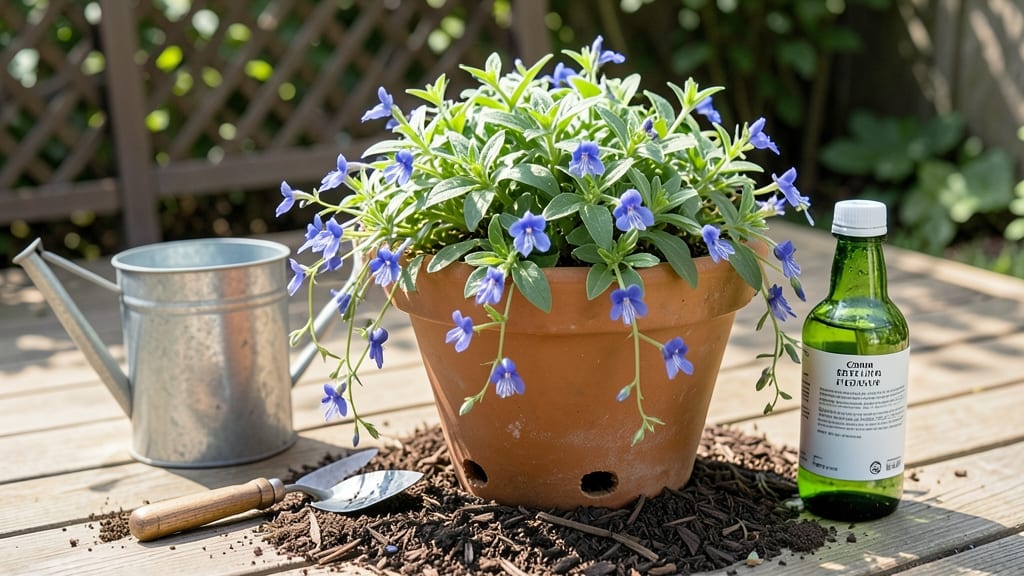
My lobelia plants in pots never looked better than after I stopped guessing about their care. 🌿 These trailing beauties thrive when you nail just three things: soil, water, and sunlight. The secret isn't complicated—it's about matching their natural habitat to your container setup.
Start with a well-draining potting mix (lobelia hates soggy feet) and a pot with drainage holes—8-12 inches wide works perfectly. Water when the top inch feels dry, but don't let them sit in saucers of water.
Morning sun keeps them happy, while afternoon shade prevents wilting in hot climates. A balanced liquid fertilizer every 4-6 weeks keeps those vibrant blooms coming.
By summer, your lobelia will spill over pots in shockingly lush cascades of blue, purple, or white. Prune leggy stems in spring to encourage bushier growth, and deadhead spent flowers to prolong blooming.
The key to year-round color? Move pots indoors before frost, near a bright window or under grow lights.
Even my black thumb lobelia plants bounce back from common issues—just adjust for root-bound conditions by repotting every 2 years and watch for pests like aphids (a quick spray of soapy water fixes that). With these simple tweaks, your trailing lobelia will be the envy of every patio gardener.
📚 In This Guide
- What you need
- Instructions
- Tips and common mistakes
- Wrapping up and next steps
What you need
- ● Lobelia plants: Choose Lobelia erinus (annual) or Lobelia siphilitica (perennial) from a nursery or garden center. Opt for 3–5 plants per 10–12" pot for a lush, cascading effect.
- ● Containers: Hanging baskets (8–12" diameter) or window boxes for trailing varieties.
- ● Standard pots (10–12" wide) for upright or bushier types.
- ● Drainage holes: Non-negotiable! Ensure pots have them or drill your own.
- ● High-quality potting mix: Use a well-draining, peat-based mix (e.g., 50% peat moss, 30% perlite, 20% vermiculite) or a pre-mixed hanging basket blend.
- ● Slow-release fertilizer: A balanced 10-10-10 or 20-20-20 granular fertilizer (follow package rates for application).
- ● Watering can or spray bottle: Lobelia loves consistent moisture—a gentle sprayer works best for delicate foliage.
- ● Pruning shears: For trimming leggy stems or deadheading spent blooms.
- ● Trowel or small shovel: For repotting or dividing plants if needed.
- ○ Mulch (optional): A light layer of orchid bark or coconut coir to retain moisture.
- ○ Plant supports (optional):strong> Small stakes or a cascade guard for heavy trailing varieties.
- ● Grow lights (indoor use): A full-spectrum LED if growing lobelia inside for year-round color.
- ● Sunlight: Partial shade to full sun (3–6 hours of direct light daily). Avoid harsh afternoon sun in hot climates.
- ● Temperature: Thrives in 50–75°F (10–24°C). Protect from frost (below 40°F/4°C kills annual varieties).
- ● Humidity: Prefers moderate to high humidity—mist occasionally in dry climates.
Step-by-step instructions for caring for lobelia in pots
Lobelia thrives when you mimic its natural boggy habitat—here’s how to keep it happy in containers.
🪴 Step 1: Choose the Right Container and Drainage
Lobelia roots need moisture but hate soggy feet, so pick a pot with multiple drainage holes—at least two or three if it’s small. I use 6-8 inch hanging baskets or shallow window boxes because lobelia’s trailing habit looks best when it can spill over edges. If your pot lacks drainage, drill holes yourself—just make sure they’re covered with mesh to keep soil in place.
Fill the bottom 1-2 inches with perlite or small gravel to create a reservoir for water while preventing root rot. This layer keeps moisture available but prevents the roots from sitting in standing water. Lobelia’s delicate roots are prone to rot if they stay waterlogged, so this simple step makes all the difference.
☀️ Step 2: Provide Bright, Indirect Light
Lobelia loves bright, indirect light—think of it as a plant that enjoys morning sun with afternoon shade. A south- or east-facing window works perfectly, but avoid direct midday sun, which can scorch the tender leaves. If you notice leaves turning pale or crispy at the edges, your plant is getting too much sun.
For indoor growers, place lobelia within 3 feet of a south-facing window or supplement with a grow light for 12-14 hours daily. You’ll know the light is right when the foliage stays deep green and compact—never leggy or stretched. Leggy growth means it’s reaching for more light, so adjust its position or add a brighter light source immediately.
💧 Step 3: Water Consistently Without Overdoing It
Lobelia’s secret to success is consistent moisture—never let the soil dry out completely, but don’t drown it either. Water whenever the top inch of soil feels dry to the touch, which for lobelia is usually every 1-2 days in warm weather. In cooler months, you can stretch it to every 2-3 days, but always check before watering.
Here’s the trick: water from the bottom. Place the pot in a tray of water for 10-15 minutes—this ensures even moisture without disturbing the delicate stems. If water pools on the leaves, wipe them gently with a paper towel to prevent fungal issues. Overwatering is the #1 killer of lobelia, so when in doubt, wait a day before watering again.
✂️ Step 4: Prune and Encourage Bushier Growth
Pinch back the tips of new growth when the plant is 4-6 inches tall to encourage a fuller, bushier habit. This simple step prevents leggy stems and keeps lobelia compact and vibrant. Use clean, sharp scissors or fingers to snip just above a set of leaves—no need to worry about damaging the plant, as lobelia bounces back quickly.
Deadhead spent blooms regularly to keep flowers coming. Snip off faded flowers at the base of the stem, which redirects the plant’s energy into producing more blooms instead of seeding. You’ll notice a surge in new flowers within 1-2 weeks of consistent deadheading. This is especially important in late summer when lobelia starts to slow down.
🌿 Step 5: Feed and Refresh for Continuous Color
Lobelia is a light feeder, so use a balanced, water-soluble fertilizer (like 10-10-10) diluted to half strength every 2-3 weeks during the growing season. I mix it into the water when I’m watering from the bottom—this ensures the roots get the nutrients without burning the delicate foliage. Stop fertilizing in late summer to let the plant prepare for dormancy.
Refresh the top 1-2 inches of soil every 4-6 weeks with fresh potting mix to replenish nutrients. Lobelia’s roots are shallow, so a light top-dressing keeps it thriving without disturbing the plant. If you see yellowing leaves, it’s a sign the soil is exhausted—time to give it a fresh layer of mix and a light feeding.
Tips & tricks for perfect lobelia care in containers
Lobelia's delicate beauty demands a few key strategies—here's how to keep it thriving without the guesswork.
Container Setup: Beyond drainage, consider using a terracotta pot for lobelia—it wicks away excess moisture naturally. If you're using a hanging basket, add a plastic liner first to prevent soil from falling through the holes. This creates a stable growing environment while still allowing roots to breathe. I've found that adding a 1-inch layer of coconut coir beneath the perlite helps retain moisture slightly better than gravel alone.
Light Management: For indoor growers using grow lights, position them 6-8 inches above the plant to mimic natural sunlight intensity. Rotate your pots quarter-turn daily to prevent uneven growth toward the light source. I learned this the hard way—my lobelia started leaning dramatically toward one window until I started rotating it regularly. The 12-14 hours of light should be evenly distributed throughout the day, not just concentrated in morning hours.
Watering Wisdom: The 10-15 minute bottom-watering technique works wonders, but here's the pro move: add a few ice cubes to the water tray during hot summer days. This keeps the water cooler and prevents shocking the roots with sudden temperature changes. Also, use room-temperature water—cold water can cause shock in these tender plants. Always empty any excess water from the saucer after 15 minutes to prevent root rot from sitting water.
Pruning Precision: When pinching back growth at 4-6 inches tall, aim to leave 3-4 sets of leaves below your cut. This encourages branching while giving the plant enough foliage to photosynthesize. For deadheading, use clean scissors and make your cuts at a 45-degree angle just above a leaf node. This angled cut prevents water from pooling on the stem, reducing the risk of fungal infections.
Pro Tips for Care For Lobelia In Pots
- Lobelia's delicate beauty demands a few key strategies—here's how to keep it thriving without the guesswork.
- Container Setup: Beyond drainage, consider using a terracotta pot for lobelia—it wicks away excess moisture naturally.
- Light Management: For indoor growers using grow lights, position them 6-8 inches above the plant to mimic natural sunlight intensity.
Frequently asked questions
Got questions about keeping your lobelia happy in pots? You’re not alone! Here are some of the most common concerns—and straightforward answers—to help you grow lush, trailing lobelia all season long.
How often should I water lobelia in pots?
Lobelia loves moisture, so aim to keep the soil consistently damp (but not soggy). Water every 1–2 days in hot weather, or daily if your pot dries out quickly. A self-watering container or saucer with pebbles can help maintain humidity. Pro tip: Check the top inch of soil—if it’s dry, it’s time to water!
Can lobelia survive winter in pots?
Most lobelia is annual and won’t survive frost, but if you’re growing Lobelia erinus (tender perennial types), move pots to a sheltered spot or indoors near a bright window. Reduce watering in winter and trim back leggy growth in early spring. Bonus: Treat it like a spring rebirth!
What pests commonly attack potted lobelia, and how do I fix them?
Lobelia attracts aphids, spider mites, and whiteflies due to its tender leaves. Blast pests off with a strong spray of water or use neem oil for stubborn infestations. Preventative tip: Keep plants well-watered and spaced for airflow—pests hate dry conditions!
Why is my lobelia turning yellow or brown?
Yellowing leaves often mean overwatering or poor drainage, while brown tips signal underwatering or salt buildup (from tap water). Flush the soil with water to remove excess salts, and ensure pots have drainage holes. Quick fix: Trim dead foliage to encourage new growth!
Can I grow lobelia with other plants in the same pot?
Lobelia thrives as a trailing filler alongside taller plants like coleus, ferns, or petunias. Just avoid heavy feeders—lobelia prefers balanced, low-nitrogen fertilizer. Design hack: Pair it with succulents for a striking contrast!
Wrapping up and next steps
Caring for lobelia in pots is simpler than you think—just give them the right light, water, and nutrients, and you’ll be rewarded with cascading blooms all season long! 🌸 With the right container, soil, and a little attention to their trailing habits, your lobelia will thrive as a stunning container garden star.
Now that you’re armed with the know-how, it’s time to get planting—grab those pots and watch your balcony or patio transform into a vibrant oasis!
Ready to elevate your container garden? Browse our guide on designing the perfect container combo to pair lobelia with complementary plants for even more wow factor!