
Companion Plants
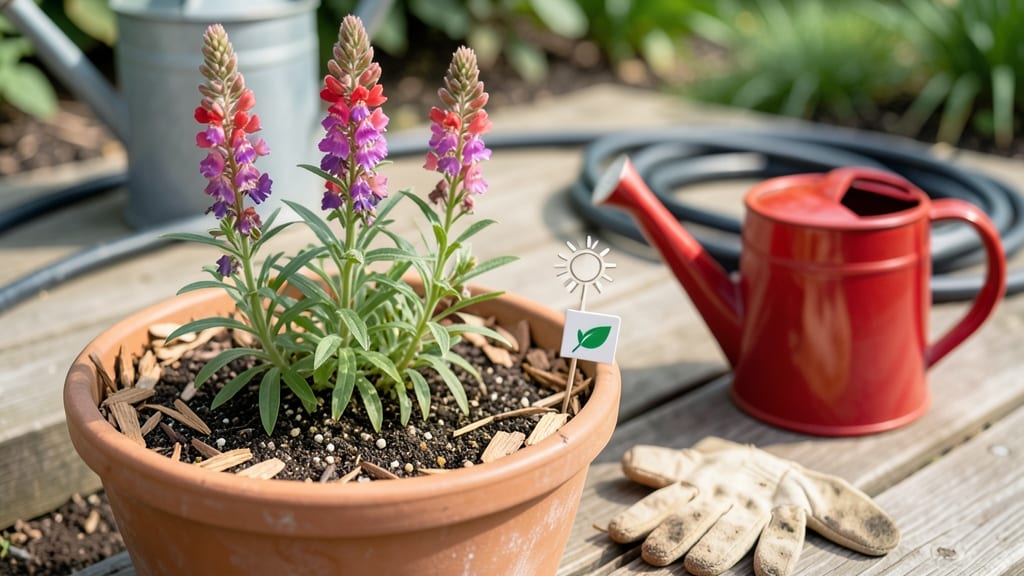
Caring for penstemon plants unlocks vibrant, drought-proof blooms that keep your garden buzzing with hummingbirds all summer. 🌿 I’ve grown these tough perennials for years, and they’ve become my go-to for low-maintenance color—once established, they thrive on neglect while still delivering bold, trumpet-shaped flowers in shades of purple, pink, and blue.
The secret lies in their sunlight love (6+ hours daily) and well-draining soil—they hate soggy roots. Water deeply but infrequently (about once a week in summer), and you’ll avoid the most common pitfall: root rot.
Prune spent blooms to encourage more flowers, and they’ll reward you with repeat blooming from early summer until frost. Winter dormancy is where penstemons shine—they’re cold-hardy down to zone 3, so no fuss needed. Just cut back dead foliage in early spring, and they’ll bounce back with fresh growth.
The key is patience: it takes one season to establish strong roots, but after that, they’re nearly self-sufficient. Perfect for rock gardens, borders, or even containers—these plants are the ultimate workhorse for gardeners who want beauty without the fuss. Let’s get yours thriving!
📚 In This Guide
- What you need
- Instructions
- Tips and common mistakes
- Wrapping up and next steps
What you need
- ● Penstemon plants: 1–3 nursery-grown plants (perennial varieties) or seed packets (for annuals)
- ● Check labels for specific varieties (e.g., Penstemon digitalis or Penstemon spectabilis) to match your climate zone.
- ● Well-draining soil: 5–10 gallons of garden soil mixed with sand or perlite (1 part sand/perlite to 3 parts soil) for optimal drainage.
- ○ Optional: A soil pH tester (Penstemon prefers slightly acidic to neutral soil (6.0–7.0)).
- ● Planting site: Full sun exposure (6+ hours/day) or partial shade in hot climates.
- ● Space plants 12–24 inches apart (check variety guidelines).
- ● Watering supplies: A watering can or hose with a gentle spray nozzle (avoid overhead watering to prevent fungal issues).
- ○ Drip irrigation kit (optional) for automated, low-water care.
- ○ Fertilizer (optional but helpful): Balanced, slow-release fertilizer (e.g., 10-10-10 or 5-5-5) applied once in early spring.
- ● Avoid high-nitrogen fertilizers—they encourage leafy growth over blooms!
- ● Pruning shears (for deadheading spent blooms and shaping plants).
- ● Gloves (to protect hands from thorny varieties like Penstemon barbatus).
- ● Mulch (2–3 inches of organic mulch, like straw or shredded bark, to retain moisture).
- ● Pest control: Neem oil or insecticidal soap (for aphids or spider mites).
- ○ Beneficial nematodes (optional, for soil-dwelling pests).
Step-by-Step instructions for cultivating thriving penstemon plants
Here's how to coax those vibrant blooms from penstemon—drought-tolerant workhorses that reward patience with months of color.
🌱 Step 1: Select the Perfect Planting Location
Penstemon thrives in full sun—at least 6-8 hours daily—but tolerates partial shade in hotter climates where afternoon sun can scorch leaves. I always check the microclimate: a spot near the house might get afternoon shade, while an open garden bed gets full sun exposure. The key is well-draining soil—penstemon roots rot quickly in soggy conditions.
Amend heavy clay soil with 2-3 inches of compost before planting to improve drainage. You'll know you've got the right spot when your penstemon's leaves stay crisp rather than wilting or yellowing. If you notice leaves curling or stems collapsing, your location might have too much moisture or insufficient airflow.
☀️ Step 2: Water Deeply but Infrequently
Once established, penstemon is drought-tolerant, but young plants need consistent moisture. Water 1-2 times per week during the first growing season, aiming for 1 inch of water per week. The best time to water is early morning—this prevents fungal diseases that thrive in damp evening foliage. I like to use a soaker hose to deliver water directly to the root zone without wetting the leaves.
After the first year, reduce watering to once every 10-14 days unless your region experiences extreme heat or drought. Let the top 2-3 inches of soil dry out between waterings. Overwatering is the fastest way to kill penstemon—you'll see yellowing leaves and mushy stems as the first signs of root rot.
✂️ Step 3: Prune for Continuous Blooms and Shape
Deadhead spent blooms regularly to encourage more flowers and prevent self-seeding (which can lead to overcrowding). Use clean, sharp pruners to snip off faded flowers just above the next set of leaves. I always prune in the morning when the stems are firm—this reduces stress on the plant and minimizes sap loss. For bushier growth, pinch back the tips of new growth when stems reach 4-6 inches tall.
In late fall or early winter, cut back the entire plant by one-third to promote fresh, vigorous growth in spring. This is also the time to divide mature clumps if they've become overcrowded. Penstemon handles pruning well, but avoid cutting into old wood—you'll know you've gone too far when you see bare stems with no new growth.
🌿 Step 4: Feed and Fertilize Strategically
Penstemon doesn't need much fertilizer, but a light feeding in early spring encourages strong growth. Use a balanced, slow-release fertilizer (10-10-10 or similar) at half the recommended rate. Apply it to the soil surface around the plant, then water deeply to help it dissolve. Too much fertilizer leads to lush foliage but fewer blooms—you'll notice the plant putting energy into leaves instead of flowers.
For organic gardeners, a thin layer of compost around the base in spring provides all the nutrients penstemon needs. Avoid high-nitrogen fertilizers, which promote leafy growth at the expense of blooms. If your penstemon looks leggy with sparse flowers, it's likely getting too much nitrogen—cut back on feeding and focus on proper sunlight and watering instead.
⏰ Step 5: Protect from Pests and Diseases
Penstemon is generally pest-resistant, but watch for aphids and spider mites, which can attack stressed plants. I treat infestations by spraying the plants with a strong stream of water to dislodge pests, followed by a soapy water solution (1 tablespoon mild dish soap per gallon of water). Always test the solution on a small area first—some penstemon varieties are sensitive to harsh chemicals.
Fungal diseases like powdery mildew can appear in humid conditions. To prevent this, ensure good airflow around plants and avoid overhead watering. If you notice white, powdery spots on leaves, remove affected foliage immediately and treat the plant with a fungicide. Penstemon is tough, but once a fungal infection takes hold, it can spread quickly and weaken the plant over time.
Tips & tricks for perfect penstemon plant care
These simple strategies will help you coax vibrant blooms from your penstemon plants with minimal effort.
Sunlight Strategy: While penstemon thrives in full sun (6-8 hours daily), I've found that morning sun with afternoon shade works best in hotter climates. The key is avoiding that intense afternoon heat which can scorch leaves. Look for microclimates where your plants get morning sun but afternoon relief from nearby structures or trees. This balance prevents leaf burn while still providing enough light for those bold blooms.
Soil Preparation: The 2-3 inches of compost you add before planting isn't just about drainage—it's also creating a nutrient reservoir. I like to mix in a handful of perlite or coarse sand to further improve drainage, especially in clay soils. This prevents the soggy conditions that lead to root rot, which is penstemon's biggest enemy. Think of it as building a foundation that keeps roots happy and healthy year-round.
Watering Wisdom: That 1-2 times per week watering schedule for young plants might seem straightforward, but timing matters. I've learned the hard way that watering in the evening can lead to fungal issues. Instead, stick to early morning watering when the foliage has time to dry completely. For established plants, let that top 2-3 inches of soil dry out completely between waterings—this mimics their natural drought-resistant habits.
Pruning Precision: When you're deadheading in Step 3, aim to cut just above the next set of leaves where new growth appears. This encourages bushier growth and more blooms. I've found that pinching back those 4-6 inch stems actually stimulates branching, giving you a fuller plant. And that late fall/winter pruning? It's not just about shape—cutting back by one-third removes old growth that would compete with new spring shoots for nutrients.
Pro Tips for Care For Penstemon Plants
- These simple strategies will help you coax vibrant blooms from your penstemon plants with minimal effort.
- Sunlight Strategy: While penstemon thrives in full sun (6-8 hours daily), I've found that morning sun with afternoon shade works best in hotter climates.
- Soil Preparation: The 2-3 inches of compost you add before planting isn't just about drainage—it's also creating a nutrient reservoir.
Frequently asked questions
Got questions about keeping your Penstemon thriving? You’re not alone—these drought-tolerant beauties are full of surprises! Here are answers to the most common queries from gardeners just like you.
Can Penstemon survive in full sun all day?
Most Penstemon varieties love full sun (6+ hours daily), but some—like Penstemon digitalis—may scorch in extreme heat. If your summers are brutal, provide light afternoon shade to protect leaves while still ensuring plenty of sunlight for blooms. Mulch helps retain moisture and cool roots!
How often should I water Penstemon once established?
Once mature, Penstemon is drought-tolerant—water deeply once every 1–2 weeks (or when the top 1–2 inches of soil are dry). Overwatering causes root rot, so let the soil dry out between waterings. New plants need more frequent watering (every 3–4 days) until roots establish.
What pests or diseases should I watch for on Penstemon?
Penstemon is generally pest-resistant, but keep an eye out for:
- Aphids: Spray with water or use insecticidal soap.
- Spider mites: Thrive in dry conditions—mist leaves or use neem oil.
- Powdery mildew: Improve airflow and avoid overhead watering.
Can I grow Penstemon in containers?
Choose compact varieties like Penstemon ‘Husker Red’ for pots. Use a well-draining mix (like cactus/succulent blend) and a container with drainage holes. Containers dry out faster, so monitor soil moisture closely. Bonus: Container-grown Penstemon makes stunning window boxes or balcony displays!
When and how should I prune Penstemon?
Prune deadheading spent blooms regularly to encourage more flowers. For perennial types, cut back one-third of the plant in early spring before new growth starts. Avoid heavy pruning in fall—it can stress the plant before winter. Evergreen varieties (like Penstemon ‘Bee Balm’) need minimal pruning.
How cold-hardy is Penstemon?
Most Penstemon varieties tolerate USDA Zones 3–9, but some (like Penstemon ‘Rocky Mountain’) handle Zone 4’s harsh winters. Mulch heavily in fall to protect roots. In Zone 10+, provide afternoon shade in peak summer to prevent heat stress.
Wrapping up and next steps
Caring for penstemon plants is a rewarding journey that brings vibrant blooms to your garden with minimal fuss! 🌸 With the right sunlight, soil, and watering habits, these drought-resistant perennials thrive effortlessly—even in hot climates.
Whether you’re a beginner or a seasoned gardener, a little attention to their needs will yield stunning results year after year.
Ready to watch your penstemon thrive? Start by planting them in well-draining soil and adjusting your watering routine to match their low-maintenance nature. Soon, you’ll be enjoying a garden bursting with color—and maybe even sharing cuttings with fellow plant lovers!