
Orchid Care
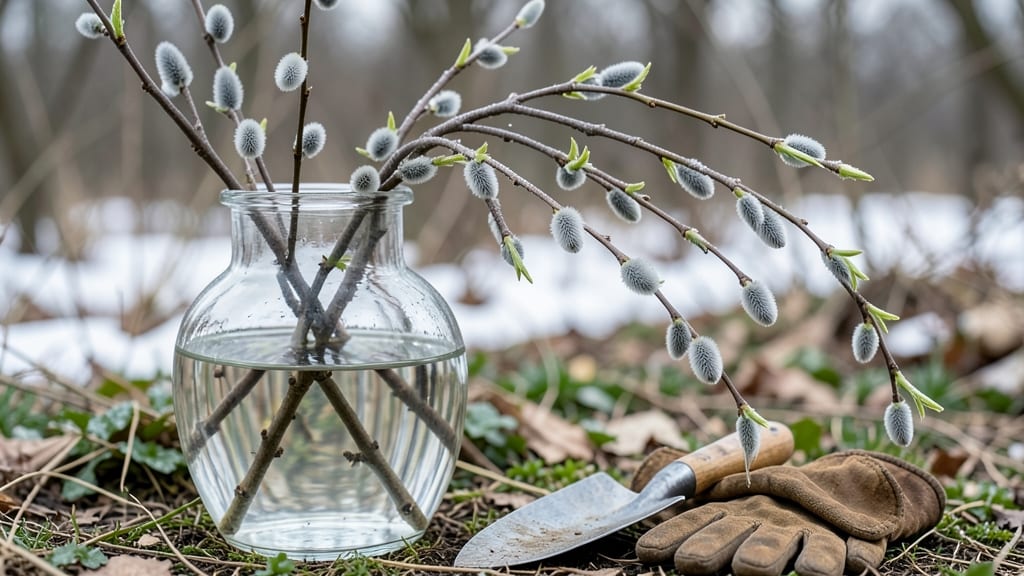
Caring for pussywillows feels like nurturing a living cloud—those fuzzy catkins are one of nature’s softest surprises. 🌿 I’ve grown them for years, and the secret to keeping them lush and productive lies in understanding their unique needs, especially when it comes to pruning and seasonal care.
These willows thrive in moist but well-drained soil and love full sun to partial shade. Overwatering is their biggest enemy, so focus on keeping the soil consistently damp but never soggy. Pruning isn’t just about shaping—it’s about encouraging new growth.
I cut back old stems in late winter or early spring, and the plants reward me with fresh, vibrant foliage by summer. By late summer, you’ll see those iconic fuzzy buds forming again, signaling another year of beauty.
The key is balancing pruning with patience—these willows grow fast, and with the right care, they’ll return year after year with that signature softness. Perfect for wetland gardens, pond edges, or even as a striking container plant. Let’s get those willows thriving!
📚 In This Guide
- What you need
- Instructions
- Tips and common mistakes
- Wrapping up and next steps
What you need
- ● Pussywillow plant: Start with a healthy, disease-free sapling or bare-root cutting (available at nurseries or online). Pro tip: 🌡️ Choose a local variety for best adaptation!
- ● Well-draining soil: A mix of 60% topsoil, 30% compost, and 10% perlite/sand (10–15 gallons per plant).
- ● Pruning tools: Sharp bypass pruners (for clean cuts on branches under ½ inch thick).
- ● Loppers (for thicker branches, ½–2 inches).
- ● Hand saw (for branches over 2 inches).
- ● Mulch: 2–3 inches of organic mulch (e.g., wood chips or shredded bark) to retain moisture.
- ● Watering can or hose: With a gentle spray nozzle (to avoid damaging tender stems).
- ● Fertilizer: Balanced 10-10-10 or 20-20-20 granular fertilizer (apply in early spring and midsummer).
- ● Plant support stakes (if growing in windy areas).
- ● Slow-release fertilizer tablets for convenience.
- ● Pruning sealant (to prevent disease in cuts, though pussywillows heal well without it).
- ● Garden gloves (to protect hands from sap and thorns).
- ● Pest control: Neem oil or insecticidal soap (for aphids or spider mites).
Step-by-Step guide to pruning and revitalizing pussywillows
Here’s how I keep my pussywillows lush and blooming year after year—no guesswork involved.
✂️ Step 1: Prune for Shape and Health in Late Winter
Wait until late winter or early spring—just as buds begin to swell—before you prune. This timing ensures you remove dead wood while leaving healthy growth intact. I start by cutting back any branches that look brown, brittle, or dead at the base, using clean, sharp pruners. Cut at a 45-degree angle just above a bud or lateral branch to encourage new growth.
For thicker branches, make the cut 1/4 inch above a bud to prevent water from pooling and rotting the stem. If a branch is completely dead, remove it entirely. You’ll notice fresh green shoots emerging within a few weeks—that’s your signal the pruning worked.
☀️ Step 2: Thin Out Crowded Branches in Early Spring
Once new growth appears, focus on thinning out overcrowded or crossing branches to improve airflow and sunlight penetration. I look for branches that rub against each other or grow inward—they’ll compete for nutrients and weaken the plant. Remove 1/3 of the oldest branches first, cutting them back to the main trunk or a strong lateral branch.
Thinning encourages thicker, more vibrant foliage and those iconic fuzzy catkins. If you’re unsure which branches to remove, prioritize the thinnest, weakest, or smallest ones. Avoid cutting back more than 25% of the plant at once—this prevents shock and keeps the pussywillow healthy.
🌿 Step 3: Light Pruning After Blooming to Encourage New Growth
After the fuzzy catkins fade, give your pussywillow a light trim to shape it and promote fresh growth. I focus on removing any spent blooms or leggy stems that detract from the plant’s form. Cut just above a leaf node or bud to redirect energy into new shoots.
This is also a great time to reshape the plant—whether you want a full, bushy look or a more open, airy silhouette. Avoid heavy pruning now, though; the goal is to encourage, not stress, the plant. You’ll see new buds forming within a few weeks if the timing and cuts are right.
⏰ Step 4: Revitalize in Late Summer for Next Year’s Blooms
In late August or early September, give your pussywillow a light revitalization prune to prepare for next year’s blooms. Remove any weak, diseased, or damaged branches, cutting them back to healthy wood. This prevents pests and diseases from overwintering in dead tissue.
I also trim back any overly long or straggly branches by about 1/3 of their length. This stimulates new growth that will harden off before winter. Avoid pruning after mid-September—new growth won’t have time to mature before cold weather sets in.
Tips & tricks for perfect pussywillow pruning
A few key insights will help you avoid common mistakes and keep your pussywillows thriving for years.
Timing is Everything: The late winter/early spring timing in Step 1 is critical because it allows the plant to heal before summer heat. I've seen pussywillows stressed when pruned too early—wait until those buds begin to swell, even if it means delaying by a few weeks. This ensures you're only removing truly dead wood while leaving healthy growth to flourish.
Tool Prep Matters: Before you start, sterilize your pruners with rubbing alcohol to prevent spreading disease between cuts. I also recommend sharpening your blades first—dull tools crush stems instead of making clean cuts, which can damage the plant. For thicker branches, use pruning saws to avoid tearing the bark.
Visual Cues for Healthy Cuts: When making those 45-degree cuts in Step 1, look for the slight green ring just beneath the bark—this indicates healthy tissue. If you see only brown or black, that branch is dead and should be removed entirely. For the 1/4-inch rule above buds, use a ruler to ensure precision—this small detail prevents water pooling that leads to rot.
Seasonal Pruning Balance: The 25% maximum pruning rule in Step 2 applies year-round—never remove more than this in any single session. I've learned this the hard way after over-pruning and watching my pussywillows struggle to recover. Spread out heavier cuts across different seasons for the best results.
Pro Tips for Care For Pussywillows
- A few key insights will help you avoid common mistakes and keep your pussywillows thriving for years.
- Timing is Everything: The late winter/early spring timing in Step 1 is critical because it allows the plant to heal before summer heat.
- Tool Prep Matters: Before you start, sterilize your pruners with rubbing alcohol to prevent spreading disease between cuts.
Frequently asked questions
Got questions about keeping your pussywillows lush and thriving?
Here are answers to the most common ones—from timing tricks to troubleshooting woes.
When is the best time to prune pussywillows?
Prune after flowering in late winter or early spring (February–March) to encourage new growth. Avoid cutting back in fall or winter, as the plant needs energy to store for next year’s blooms. Pro tip: If you miss spring, wait until summer—but avoid heavy pruning then, as it may stress the plant.
Can pussywillows survive winter outdoors?
Most pussywillows are hardy to USDA zones 4–8, but young plants or tender varieties may need winter protection. Wrap stems in burlap or mulch the base to shield from freezing winds. If your area dips below 10°F (-12°C), consider moving potted plants indoors until spring. Watch for frost damage: Brown, mushy stems mean prune back to healthy growth.
Why aren’t my pussywillows blooming?
Lack of blooms often stems from over-pruning, poor light, or nutrient deficiencies. Ensure they get full sun to partial shade (6+ hours of light) and feed with a balanced fertilizer in spring. If you cut back too aggressively, give the plant a year to recover before expecting flowers. Try this: Trim only spent flower stalks in summer to redirect energy to roots.
How do I revive a leggy or sparse pussywillow?
Leggy growth usually means too little light. Move the plant to a brighter spot (but avoid harsh afternoon sun). For sparse foliage, prune back 1/3 of the oldest stems in early spring to encourage bushier regrowth. Boost health: Water deeply once a week (let soil dry slightly between waterings) and fertilize lightly in spring and summer.
Are there low-maintenance alternatives to pussywillows?
If pussywillows feel high-maintenance, try Russian olive (Elaeagnus angustifolia) or winterberry (Ilex verticillata) for similar winter interest with less pruning. For orchid-like foliage, Helleborus (Lenten rose) thrives in shade and blooms early. For containers: Dwarf varieties like Salix caprea ‘Pendula’ (weeping willow) are easier to manage in pots.
Wrapping up and next steps
Caring for pussywillows is all about patience, observation, and a little tender love—just like nurturing any beloved plant! With the right tools, seasonal pruning, and a watchful eye, you’ll keep these delicate beauties thriving for years. Remember, every snip and spray is a step toward lush, vibrant blooms.
Now that you’re armed with expert tips, why not share your progress? Snap a photo of your revitalized pussywillow and tag us—we’d love to see your green thumbs in action! 🌿✨ Happy growing!