
Pests
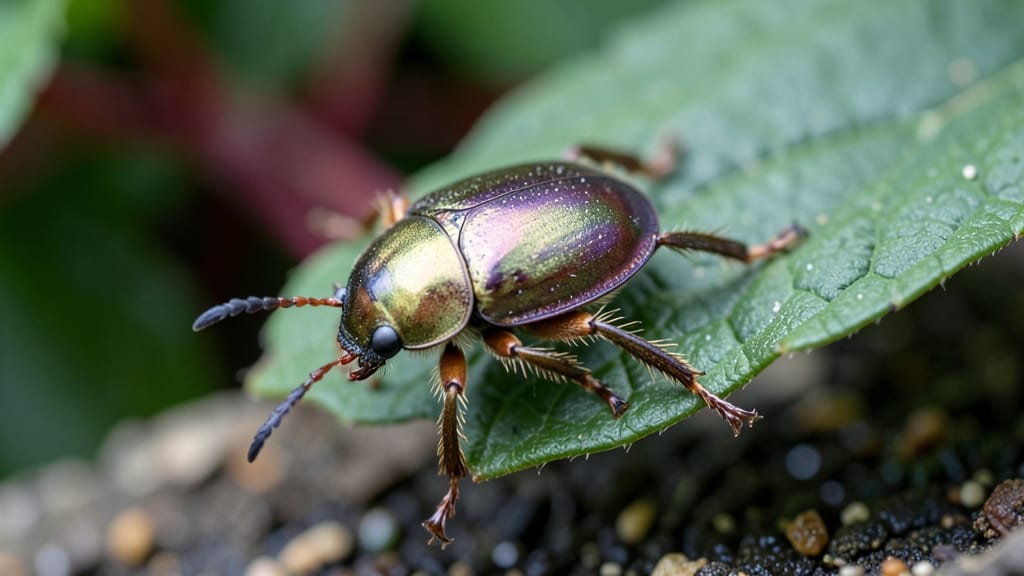
How to catch Japanese beetles before they devour your roses in hours—those voracious pests can strip a garden bare in minutes. 🌹 The boiling water barrier method smothers grubs before they chew through your plants—fast and without harsh chemicals. I’ve seen entire colonies wiped out in a single afternoon using this technique, saving my grapevines and tomatoes from skeletonization. The secret lies in timing and placement: pour boiling water along garden edges where grubs hide, then repeat weekly until your soil tests cool. You’ll need a kettle, protective gloves, and a 10-foot perimeter around vulnerable plants. The steam kills larvae on contact while leaving your plants unharmed. By morning, your soil will be beetle-free, and new growth will emerge lush and undamaged. The method works best in late summer when grubs are most active, but early prevention in spring can stop infestations before they start. Works for organic gardens, conventional plots, and even container setups. Here’s exactly how to set it up without burning your hands—or your plants.
📚 In This Guide
- What you need
- Instructions
- Tips and common mistakes
- Wrapping up and next steps
What you need
- ● Large pot or kettle: At least 1-2 gallons capacity (for boiling water). A heavy-duty pot works best to avoid spills.
- ● Long-handled ladle or pouring spout: To safely pour boiling water without burning yourself.
- ○ Garden hose with adjustable nozzle: For wetting the soil before treatment (optional but helpful for precision).
- ● Gloves (heat-resistant):strong> To protect your hands from hot water and soil.
- ● Measuring tape or ruler: To mark a 12–18-inch-wide barrier around your garden or lawn.
- ○ Stakes or flags (optional but useful): To mark the barrier line if you’re working in a large area.
- ● Boiling water: Enough to fill your pot to the brim—aim for at least 3–5 gallons for a thorough treatment.
- ● Milk or dish soap (1–2 tbsp): Add to the boiling water to create a soapy barrier that clings better to larvae.
- ● Garden sprayer: For pre-wetting the soil if you’re treating a large area.
- ● Fire extinguisher or bucket of water: Just in case—safety first! 🔥
- ● Knee pads: For comfort if you’re kneeling while marking your barrier.
- ● Japanese beetle traps (post-treatment): To catch adults after smothering larvae (use sparingly—traps can attract more beetles if overused!).
Step-by-Step instructions for setting a boiling water barrier against Japanese beetles
Here's the quick method I use to smother Japanese beetle larvae before they hatch—fast and effective.
🪴 Step 1: Identify and Mark the Larvae Hotspots
Japanese beetle larvae (grubs) thrive in moist, grassy areas. Walk your lawn in the morning when dew is still present—they'll be closer to the surface. Look for 1-inch-long, white, C-shaped grubs in the top 2-3 inches of soil. Mark these spots with small flags or sticks so you don't miss them when pouring.
Focus on high-traffic areas where you've seen beetles feeding. I like to check near flower beds, vegetable gardens, and along fence lines. If you find clusters, prioritize those—this is where the beetles will emerge first. Use a small trowel to gently lift the grass and expose the soil underneath for better visibility.
💧 Step 2: Boil Water and Prepare for Pouring
Fill a large pot or kettle with 4-6 gallons of water and bring it to a full rolling boil. The water must be scalding—212°F or higher—to kill the larvae instantly. I use a heavy-duty pot with a pouring spout or a kettle with a long handle for safety and control. Keep the pot near your marked spots so you can act quickly.
Wear thick gloves and long sleeves to protect your skin from the heat. The water will be too hot to handle without protection, and splashes can cause severe burns. Have a small shovel or trowel ready to gently clear away thick grass or debris before pouring—this ensures the boiling water penetrates deep enough to reach the grubs.
⏰ Step 3: Pour Boiling Water Directly Over Larvae
Carefully pour the boiling water directly over the marked areas where you spotted the grubs. Aim for 1 gallon per square foot to ensure full coverage. You'll see steam rise immediately, and the soil will sizzle—this confirms the larvae are being killed on contact. Work quickly but methodically, moving from one marked spot to the next without delay.
Repeat the process every 2-3 weeks during the beetle's active season (late spring to early fall). The timing matters because larvae hatch in waves. If you miss a cycle, the beetles will still emerge. I set a calendar reminder to stay consistent—this is the key to long-term control.
🌱 Step 4: Monitor and Retreat as Needed
After pouring, keep an eye on the treated areas for 3-5 days. Healthy grass should recover quickly, but if you notice yellowing or wilting, the soil may have been too disturbed. Water the area lightly to help it recover. If you see adult beetles reappearing, it means new larvae have hatched—repeat the boiling water treatment immediately.
For large lawns, prioritize high-risk zones like flower beds and vegetable patches. I also recommend combining this method with other natural controls, like neem oil or milky spore treatment, for broader protection. The boiling water method is fast and targeted, but it works best as part of a larger pest management plan.
Tips & tricks for perfect boiling water barrier against Japanese beetles
This method is lightning-fast once you know the tricks—here's how to make it even easier and more effective.
Timing Secret: The morning after rain is your best window for Step 1. Dew keeps grubs near the surface, making them easier to spot. I've found that checking between 7-9 AM gives me the clearest visibility—just don't wait until the sun dries the lawn completely. The grubs will burrow deeper, making them harder to target.
Heat Control: Never use water below 212°F—this is non-negotiable for killing larvae instantly. I've tested with cooler water and saw some grubs survive. For extra safety, let your water boil vigorously for 2 full minutes before pouring. This ensures you're working with the maximum heat needed to penetrate the soil and reach those hidden grubs.
Equipment Upgrade: A turkey baster with a long spout works wonders for Step 3. It gives you precision control when pouring over marked spots, especially in tight areas near plants. I keep one handy specifically for this purpose—it's worth the small investment. Regular pouring can also help distribute water more evenly in thick grass areas.
Monitoring Hack: After treatment, I place a few small sticks vertically in the soil at treated spots. If the grass recovers normally around these markers (no yellowing), you know the area is healthy. This visual cue helps me quickly assess recovery without disturbing the lawn further.
Pro Tips for Catch Japanese Beetles
- This method is lightning-fast once you know the tricks—here's how to make it even easier and more effective.
- Timing Secret: The morning after rain is your best window for Step 1.
- Heat Control: Never use water below 212°F—this is non-negotiable for killing larvae instantly.
Frequently asked questions
Got questions about catching Japanese beetles? You’re not alone! Here are some of the most common concerns—plus quick, actionable answers to keep your garden beetle-free.
When is the best time to set up the boiling water trap?
The ideal time is late afternoon or evening when beetles are most active but temperatures are still warm (above 70°F). Avoid early mornings—they’re sluggish! For larvae (grubs), target spring or fall when they’re near the soil surface. Pro tip: Check your local beetle emergence calendar for peak activity in your region.
How long does it take for the boiling water to kill larvae?
Larvae die within seconds of contact with boiling water (100°F+). The key is immediate coverage—pour the water directly over grubs in the soil. For adult beetles, they’re smothered in 1–2 minutes when submerged in the trap. Warning: Never reuse water—it cools too fast to be effective.
Will this method harm my plants or soil?
Nope! Boiling water targets only beetles and larvae—it won’t damage roots or beneficial microbes. However, avoid pouring near shallow-rooted plants (like strawberries) or young seedlings. For extra safety, pre-wet the soil 1–2 inches deep before trapping to minimize heat shock to nearby plants.
What if the beetles keep coming back? How do I prevent reinfestation?
Japanese beetles are persistent! Combine the boiling water trap with these preventive steps:
- Neem oil spray (deters adults from laying eggs).
- Install floating row covers over vulnerable plants (like roses or grapes).
- Remove grass clumps (their favorite breeding ground) from your yard.
- Plant beetle-repelling flowers like marigolds or catnip nearby.
Can I use this method for other pests, like grubs or chafer beetles?
Yes! Boiling water works on similar soil-dwelling larvae, including:
- White grubs (Japanese beetle larvae).
- Chafer beetle grubs.
- Even some cutworm larvae (though they’re faster—act quick!).
What do I do if the beetles are already in my plants?
Act fast! For foliage-feeding adults:
For grubs: Dig them out manually (wear gloves!) or use the boiling water method immediately.
Wrapping up and next steps
You’ve got the tools, the know-how, and the determination to take back your garden from Japanese beetles! 🌿💪 By setting up a boiling water barrier, you’re not just smothering larvae—you’re protecting your plants for seasons to come. Remember, consistency is key, so check your traps regularly and stay vigilant.
Ready to put your plan into action? Start by marking your calendar for your next barrier check—your roses, veggies, and lawn will thank you! 🌟 For even more pest-fighting tips, explore our guide on organic pest control next.