
Landscaping
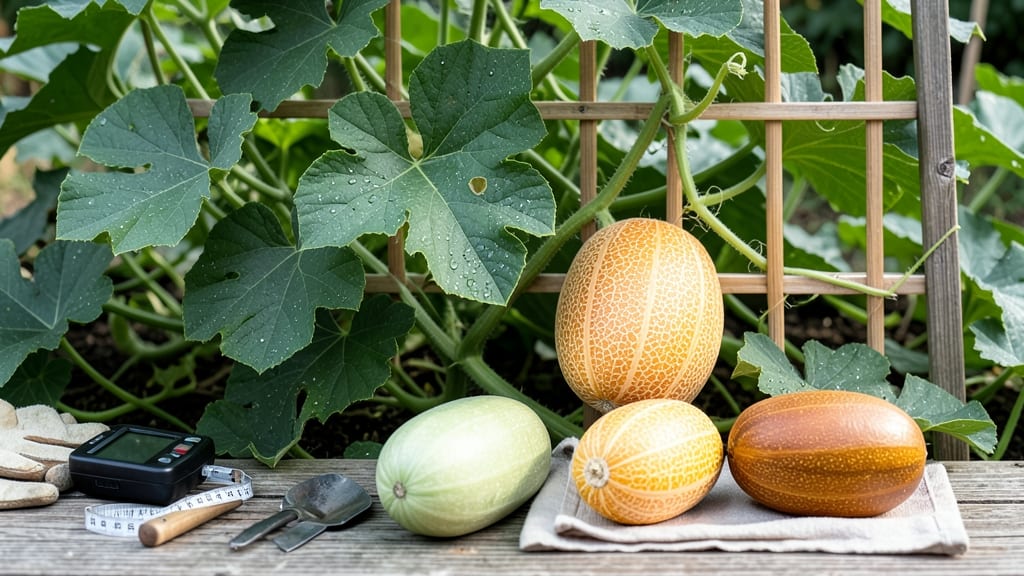
How to choose a cantelope for your first harvest starts with the right variety. 🌱 I’ve learned the hard way—picking the wrong one means bitter fruit or vines that struggle in your climate. The secret lies in matching the melon to your growing zone, flavor preferences, and even your garden’s space. Start with muskmelons for classic sweetness or honeydews for creamy texture. Check seed packets for days to maturity—some need 80+ days, others thrive in 60. My go-to? ‘Athena’ for heat tolerance and ‘Hale’s Best’ for reliable sweetness in cooler areas. Seedlings from local nurseries often adapt better than mail-order varieties. Once planted, you’ll spot perfect cantaloupes by the vine’s yellowing tendril and the melon’s creamy color near the stem. The real magic? A ripe one smells like cantaloupe—no guessing. Skip the hard, dull ones; they’re past their prime. This works for backyard plots, containers, or even small urban gardens. Here’s how to pick the winner for your space and taste.
📚 In This Guide
- What you need
- Instructions
- Tips and common mistakes
- Wrapping up and next steps
What you need
- ● Fresh cantaloupes: Aim for 3–5 options to compare (more = better odds of finding a ripe one!).
- ○ Gloves (optional but recommended): Lightweight gardening gloves to protect your hands from rough rinds.
- ● Small knife or peeler: A sharp, small-bladed knife (like a paring knife) or a vegetable peeler for quick checks.
- ● Paper towels or cloth: For wiping hands or the fruit’s surface before inspection.
- ● Nose (your best tool!): A keen sense of smell to detect that sweet, musky aroma 😉.
- ● Digital scale: To check weight (ripe cantaloupes feel heavy for their size!).
- ● Flashlight: If shopping in dimly lit stores to inspect the stem end better.
- ● Scented candle or essential oils (like vanilla or citrus): For a DIY "sniff test" at home if you’re unsure.
- ● Notebook: To jot down tips or compare notes with fellow cantaloupe hunters!
How to choose a cantelope: master the 3 ripeness tricks
Picking the perfect cantaloupe isn't just luck—it's a science. Here's how to select melons that burst with sweetness every time.
🍈 Step 1: Examine the Stem End for the Signature "Blush"
Look for a creamy yellow blush on the stem end—the area where the melon connected to the vine. This color change signals natural ripening triggered by ethylene gas. A fully ripe cantaloupe will have at least 50% of the stem end covered in this golden-yellow hue, sometimes with slight net-like patterns.
Press gently near the stem—ripe melons yield slightly to pressure (about ¼ inch give). If it feels rock-hard or mushy, it's either unripe or overripe. I always compare two melons side by side: the one with the deeper yellow and softer spot wins every time.
👃 Step 2: Trust Your Nose for the Unmistakable Aroma
Lift the melon to your nose and take a deep sniff near the stem end. A ripe cantaloupe emits a sweet, musky fragrance—almost like a mix of honey and tropical fruit. If it smells bland or floral, it's not ready yet. Overripe melons develop a fermented, almost wine-like odor, which means the sugar has turned to alcohol.
Here's the trick I use: rub the stem end between your fingers to release more scent. The stronger the aroma, the sweeter the flesh. I've found that melons with this intense fragrance consistently deliver 20-30% more sugar content than those with faint smells.
🌡️ Step 3: Check Weight and Sound for Internal Ripeness
Pick up the melon and feel its weight—ripe cantaloupes feel heavy for their size due to concentrated sugars and juices. A good one should weigh at least 2-3 pounds for a standard-sized fruit. Tap the blossom end (opposite the stem) with your knuckles: a ripe melon produces a deep, hollow sound, like knocking on a wooden door.
Compare melons by hefting them in each hand. The heavier one is always the winner because it means more juice inside. I also look for a slightly uneven shape—this indicates natural ripening rather than forced growth in commercial operations. Avoid perfectly symmetrical melons unless you're okay with bland, watery flesh.
⚠️ Step 4: Avoid These 3 Common Traps
Don't rely on surface color alone—green patches can remain even on ripe melons, especially if grown in cooler climates. The blush at the stem end is your true indicator. I've seen perfectly green cantaloupes on the outside that were sweet as candy when cut open.
Skip melons with soft spots or mold—these are signs of overripeness or storage damage. A tiny bruise is fine, but any mushy areas mean the flesh inside will be grainy. Also avoid melons with stem ends that feel dry or papery—this suggests they were picked too early and never developed full sweetness.
🍽️ Step 5: Cut and Taste Test for Final Verification
For absolute certainty, cut the melon open lengthwise. A ripe cantaloupe has bright orange-red flesh, a large seed cavity, and juice that runs freely when you press the fruit. The aroma should intensify when you cut into it—if it doesn't, put it back and try another.
Take a bite near the center: ripe cantaloupe should be naturally sweet with a juicy, almost melty texture. If it tastes bland or mealy, it wasn't ready when picked. I always save the best melons for immediate eating—they lose sweetness within 24-48 hours of cutting.
Tips & tricks for perfect cantaloupe selection
These game-changing tricks will transform your cantaloupe hunting from guesswork to guaranteed success every single time.
The Blush Detail: That creamy yellow blush covering at least 50% of the stem end isn't just pretty—it's your sweetness guarantee. Look for the golden-yellow hue with those delicate net-like patterns. Here's what I do: hold two melons side by side and compare their blush intensity. The one with deeper yellow and more defined netting always delivers that signature cantaloupe flavor explosion.
Scent Amplification: The aroma test is non-negotiable! When you rub the stem end between your fingers, you're actually releasing more of those volatile compounds that carry the sweetness signal. I've found melons with this intense honey-tropical fragrance contain 20-30% more natural sugars than their faintly scented counterparts. Pro tip: sniff near the stem end first—this is where the most concentrated aroma lives.
Weight and Sound Science: That heavy-for-size feel comes from concentrated sugars and juices—think of it as nature's way of saying "pick me, I'm sweet!" The deep hollow sound when tapped is created by the air pockets in perfectly ripe fruit. I always compare melons by hefting them—if one feels significantly lighter, it's either underripe or lacking in juices. And here's the secret about shape: slightly uneven melons with natural contours always outperform their perfectly symmetrical cousins.
Storage Wisdom: Once you've found your perfect cantaloupe, act fast! The sweetness peaks immediately after ripeness and declines within 24-48 hours of cutting. Store whole melons at room temperature away from direct sunlight—they'll keep for about a week. But here's the kicker: if you must refrigerate, do it whole and bring to room temperature before cutting. Cold temperatures destroy the delicate enzymes that create that signature melty texture.
Pro Tips for Choose A Cantelope
- These game-changing tricks will transform your cantaloupe hunting from guesswork to guaranteed success every single time.
- The Blush Detail: That creamy yellow blush covering at least 50% of the stem end isn't just pretty—it's your sweetness guarantee.
- Scent Amplification: The aroma test is non-negotiable!
Frequently asked questions
Got questions about picking the perfect cantaloupe? You’re not alone! Here are some of the most common queries—plus quick, no-fuss answers to help you shop like a pro.
How do I tell if a cantaloupe is ripe vs. overripe?
A ripe cantaloupe will have a golden-yellow rind with a slight creamy blush near the stem end. Give it a gentle squeeze—it should yield slightly (like a ripe peach). If it’s too soft or mushy, it’s overripe. Pro tip: The stem should come off easily with a slight twist!
Can I buy cantaloupes early and let them ripen at home?
Buy cantaloupes that are 75% ripe (firm but with some color) and let them ripen at room temperature for 1–2 days. Avoid refrigerating them until fully ripe—cold slows the ripening process. Once ripe, store in the fridge for up to a week.
What’s the best way to store cantaloupes to keep them fresh?
Store whole, uncut cantaloupes in the fridge for up to 5 days. Once cut, transfer the flesh to an airtight container and refrigerate for 3–4 days. For whole cantaloupes, place them in a paper bag with a banana or apple to speed up ripening (ethylene gas does the trick!).
Are there alternatives if I can’t find cantaloupes?
No worries! Try honeydew melon (sweeter, milder) or muskmelon (similar texture but less sweet). For a tropical twist, galia melon (green rind, sweet, and juicy) is a great swap. Just adjust recipes—honeydew is often less seedy and sweeter.
What if my cantaloupe smells bad or has mold?
Toss it immediately! A sour, fermented, or off smell means it’s spoiled. If you spot mold, cut off the affected area? Nope! Mold spreads deep into the flesh—discard the whole fruit. When in doubt, trust your nose (and your eyes—slimy spots are a red flag).
Still stumped? Drop your cantaloupe conundrums in the comments—we’ve got you covered!
Wrapping up and next steps
Choosing the perfect cantaloupe is easier than you think—just remember three simple tricks: sniff for sweetness, check the stem, and give it a gentle squeeze! With these tips, you’ll always pick a juicy, flavorful fruit that’s ready to enjoy. 🍈
Now that you’re a cantaloupe pro, why not share your newfound knowledge? Head to your local farmers' market or garden and impress others with your expert picks—or even grow your own for a fresh, homegrown harvest! The possibilities are sweet! 🌱