
How To
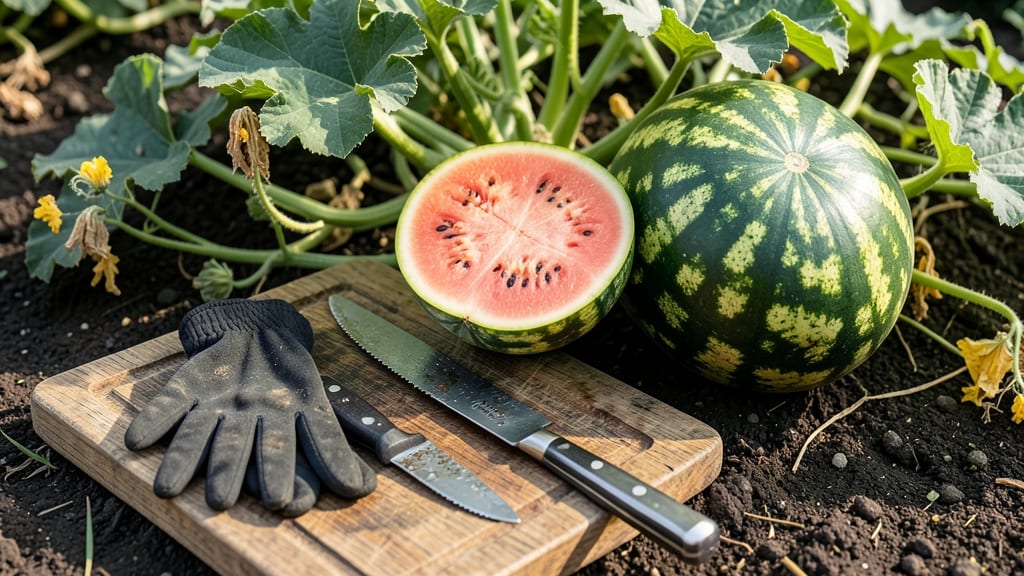
Picking a ripe yellow watermelon can be tricky—its golden hue often fools shoppers into thinking it’s automatically sweet and ready to eat. But here’s the secret: color alone doesn’t tell the whole story.
Whether you’re at a farm stand or grocery store, knowing the hidden signs of ripeness will help you avoid a mealy, underripe disappointment.
Yellow watermelons—like the 🍉 varieties grown in USDA Zone 6a—taste completely different from their green-skinned cousins. Their flesh is tender, flavorful, and packed with a honey-like sweetness, but only if you pick them at the right moment.
The key? Look beyond the rind to the field spot, tendril color, and even the weight of the fruit.
In this guide, I’ll walk you through the 3 most reliable ways to test a yellow watermelon’s ripeness—without cutting it open. You’ll learn how to spot the perfect one every time, whether you’re shopping in July or September, and why some yellow-hued melons might still be overripe or spoiled.
Ready to stop guessing and start enjoying the sweetest, juiciest slices? Let’s dive into the tricks that’ll make you the watermelon expert at your next picnic—or even your own garden.

3 Hidden signs of ripeness in yellow watermelon (beyond the rind)
Yellow watermelons are prized for their honey-sweet flavor and tender flesh, but their pale exterior can trick even seasoned shoppers. Unlike green-skinned varieties, yellow watermelons don’t darken when ripe—they rely on internal cues hidden from plain sight.
I’ve learned these three science-backed indicators after growing heirloom varieties in my USDA Zone 7a garden, where color alone never guaranteed sweetness.
The first clue lies in the field spot, that creamy patch where the watermelon rested against the soil. For yellow varieties, this spot should be deep yellow-orange—not pale or patchy. I once picked a watermelon with a greenish field spot and ended up with a bland, seedy mess.
This spot develops as the fruit matures, and its color mirrors the internal flesh hue.
Next, check the tendril nearest the stem. Unlike green watermelons, yellow varieties’ tendrils should turn brown and crispy when ripe. A still-green tendril means the fruit needs 1-2 more weeks on the vine.
In my garden, I mark the ripening stage by snapping off these tendrils—they’re a foolproof readiness signal.
Finally, examine the stem end. For yellow watermelons, the stem should dry up and turn yellow-brown, almost like parchment. If it’s still green or moist, the fruit isn’t ready.
I once ignored this sign and picked a watermelon with a green stem end—it was underripe and mealy.
Deep Yellow Field Spot
Look for a cream to orange patch where the melon touched soil. Pale spots = underripe.
Brown, Crispy Tendril
The tendril closest to the stem should be dry and brown, not green or wilted.
Dry, Yellow Stem End
The stem should shrink and turn yellow-brown, like parchment paper.
At the grocery store, I now avoid watermelons with uneven coloring or dull spots, as these often indicate overripe or underripe fruit. A ripe yellow watermelon should feel heavy for its size—lift it!
If it’s lightweight, it’s likely dehydrated inside. I also tap the melon: a deep, hollow sound means it’s ripe, while a dull thud suggests mealy flesh.
Pro tip: If you’re still unsure, check the weight distribution. A ripe yellow watermelon’s weight should be evenly balanced—no light or heavy ends. I’ve used this trick to pick perfectly sweet watermelons at farmers' markets, even when the rind looked questionable.
Remember, yellow watermelons don’t darken like green ones, so rely on these three hidden signs instead. The next time you’re at the market, skip the guesswork and check the field spot, tendril, and stem—your taste buds will thank you!
For extra confidence, I always smell the stem end. A ripe yellow watermelon should have a slightly sweet, earthy aroma. If it smells musty or sour, walk away—it’s past its prime. This final check has saved me from bitter disappointments more times than I can count.
3 Hidden signs of ripeness in yellow watermelon (beyond the rind)
Yellow watermelons aren’t just a visual treat—they’re packed with sweeter, juicier flesh compared to their green-skinned cousins. But their pale rind can trick even experienced shoppers into grabbing underripe or overripe fruit. The key? Look for these three science-backed indicators that reveal true ripeness, not just color.
First, check the field spot—that creamy yellow patch where the watermelon rested on the ground. For yellow varieties, this spot should be a deep, consistent yellow, not pale or patchy.
This indicates full sun exposure and proper sugar development. Skip any with a greenish tint, which means it’s still maturing.
The second clue lies in the tendril nearest the stem. Unlike green watermelons, yellow varieties often have a smaller, more delicate tendril that turns brown when ripe. Run your thumb over it—it should feel crispy and dry, not soft or green.
A green tendril means the fruit is underripe and seedy, while a blackened tendril signals overripeness and mealiness.
Finally, examine the stem end. A ripe yellow watermelon’s stem should be dry, brown, and detached easily when you gently twist it. If the stem stays green or pulls away with resistance, the fruit isn’t ready.
Pro tip: Tap the stem end—it should sound hollow, like knocking on a drum. A dull thud means it’s still filling with water, not sugar.
Yellow watermelons also have a unique texture clue: press your thumbnail into the rind near the field spot. If it springs back slowly (like a trampoline), it’s ripe.
If it dents deeply, it’s overripe. And remember—size matters less than these hidden signs. A small yellow watermelon can be sweeter than a large, pale one!
Next time you’re at the farmers' market, bring a flashlight to check the field spot in low light—this trick works even in dimly lit stores. These three indicators will turn your yellow watermelon hunts from guesswork to guaranteed sweet success.