
How To
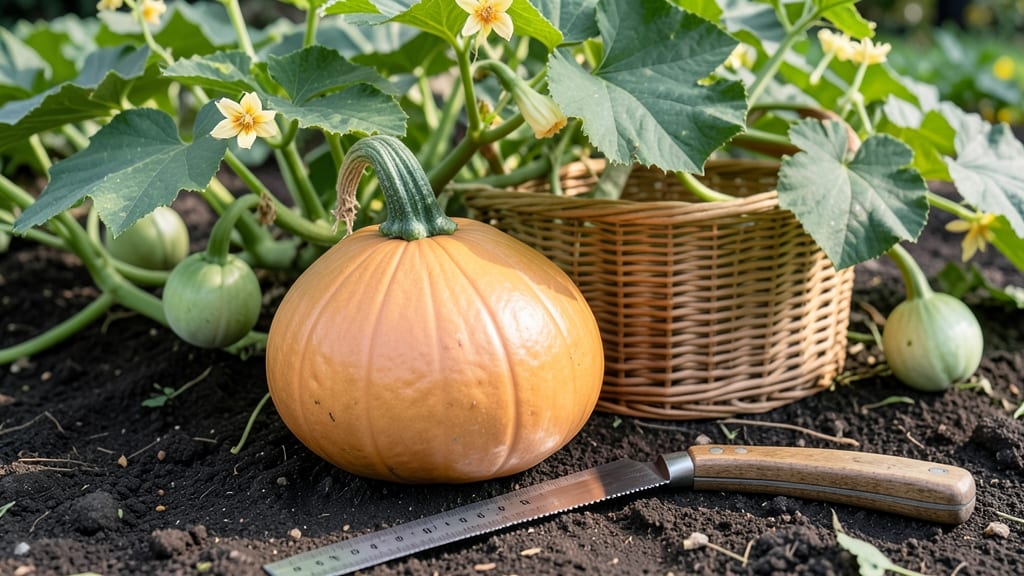
Choosing a ripe butternut squash 🎃 can make or break your fall recipes—one wrong pick leads to bland, mealy results. The secret isn't just looking for color; it's about trusting your hands and ears to uncover sweetness hidden beneath the skin.
I’ve tested dozens squash at farmers' markets and grocery stores, and the difference between a perfect harvest and a disappointing one comes down to three simple tactile tests.
Whether you're a home gardener or a shopper, these tricks will help you avoid the pitfalls of overripe or underripe produce every time.
From the weight in your palm to the sound when tapped, each clue reveals whether your squash is ready for roasting, pureeing, or storing. Let’s break down exactly what to look—and listen—for, so you can bring home the sweetest, most flavorful butternut squash possible.
Once you master these methods, you’ll never second-guess your selection again. Ready to transform your squash game? Let’s get started.
3 Tactile tests to identify a sweet, ripe butternut squash
Nothing beats the satisfaction of selecting a perfectly ripe butternut squash—one that’s sweet, firm, and packed with flavor. But how do you know when you’ve found the winner? Skip the guesswork with these three tactile tests that reveal ripeness through touch, weight, and sound.
I’ve used these same methods to pick squash from my garden and at farmers' markets for years, and they’ve never let me down.
These tests work because ripe butternut squash develop specific physical traits that correlate directly with sugar content and texture. A squash that passes all three tests will be ideal for roasting, pureeing, or baking into soups. Let’s dive into the hands-on approach that’ll turn you into a squash-selecting pro.
🌱 3 Tactile Tests for Perfect Ripeness
-
Test 1: The Weight Test
A ripe squash feels heavy for its size. Lift it—if it’s light, it’s underripe. The extra weight comes from concentrated sugars and dense flesh. -
Test 2: The Stem Check
The stem should be dry and shriveled, not green or moist. A fresh stem indicates the squash was recently harvested, but a fully dried stem means it’s been ripening on the vine. -
Test 3: The Thump Test
Tap the squash with your knuckles—it should sound hollow but firm, like a drum. A dull thud means it’s overripe or mushy inside.
Let’s break down each test in detail so you can apply them confidently, whether you’re shopping at a bustling market or selecting from your own harvest.
The weight test is my go-to because it’s foolproof—if a squash feels light, walk away. It’s a dead giveaway that the sugars haven’t fully developed yet.
The stem check is often overlooked, but it’s a goldmine of information. A dried stem doesn’t just signal ripeness—it also means the squash has been left to mature fully on the vine, which boosts flavor.
If the stem is still green or damp, the squash was likely picked early and may lack sweetness.
Finally, the thump test is where things get fun. It’s like playing a game of musical squash! A ripe butternut will have a crisp, almost musical sound when tapped.
Overripe squash, on the other hand, will sound flat and lifeless—like a deflated balloon. This test is especially useful if you’re unsure about the other two cues.
I once bought a squash that passed the weight and stem tests but failed the thump test. When I got home, I cut it open and found a mushy, watery center—definitely not what I wanted for my butternut soup!
That’s the day I learned to trust all three tests equally. Now, I never make that mistake again.
For extra peace of mind, pair these tactile tests with a quick visual inspection. Look for a deep, consistent color (more on this in the next section) and avoid squash with soft spots or cracks.
These signs often accompany internal issues like rot or overripeness. But when you combine touch, weight, and sound, you’re guaranteed a squash that’s ready to shine in your favorite recipes.
Once you’ve mastered these tests, you’ll notice your squash selections improve dramatically. No more bland, watery squash or disappointing textures. Instead, you’ll consistently bring home squash that’s sweet, firm, and full of flavor—perfect for everything from roasted slices to creamy purees. Happy squash hunting!
3 Tactile tests to identify a sweet, ripe butternut squash
When you pick up a butternut squash, your hands become your best tool for determining ripeness. Unlike visual cues that can be misleading, these three tactile tests reveal the squash's true sweetness and texture potential.
I’ve used these methods for years at farmers' markets, and they’ve saved me from bringing home mushy or bland squash countless times.
Start by examining the stem condition. A ripe butternut squash will have a stem that’s completely dry and papery—almost like it’s been there for weeks. If the stem still feels green or slightly moist, the squash isn’t fully mature yet.
This test is crucial because a dry stem indicates the squash has reached peak sweetness.
Stem Test: Dry and Papery
The second test focuses on weight and size. A ripe butternut squash feels surprisingly heavy for its size—almost like it’s packed with dense, sweet flesh. Lift two squashes side by side: the heavier one is almost always the ripest.
This weight comes from the concentrated sugars that develop as the squash matures.
Weight Test: Heavy for Its Size
The third and final test is the skin firmness check. Press your thumbnail into the squash’s skin near the stem. If it resists and doesn’t dent easily, the squash is ripe.
A soft spot means it’s overripe and likely to be mushy inside. This test is especially important because even a slightly soft squash can ruin your dish.
Once you’ve passed all three tests, you’ve found a squash that’s ready to be transformed into soups, roasted sides, or even sweet treats. Store it in a cool, dry place for up to 3 months, and it’ll stay fresh and flavorful.
These tactile tests have never failed me, and I’m confident they’ll work for you too!