
Picking
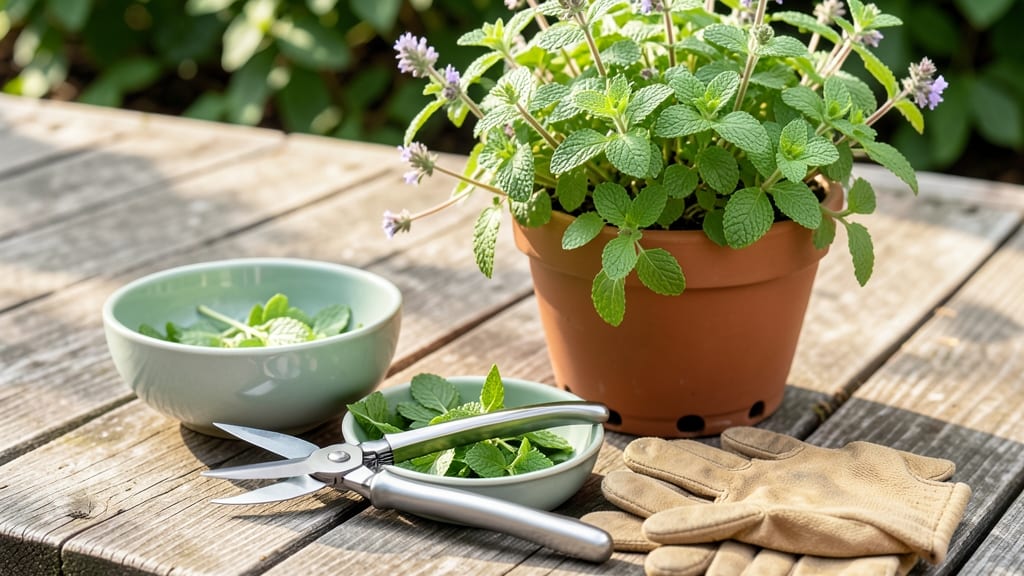
Harvest sweet mint by cutting stems 2-3 inches above the ground when plants reach 6-8 inches tall, focusing on new growth for maximum flavor and yield. Avoid harvesting more than one-third of the plant at once to encourage regrowth. Use clean scissors or pruners and harvest in the morning for peak essential oil concentration.
Harvesting sweet mint at the right time transforms your garden into a flavor powerhouse. 🌿 The morning hours are prime because that's when essential oils are most concentrated, giving your herbs their signature punch.
I've found that waiting until the plants hit 6-8 inches ensures they've developed strong roots and enough foliage to bounce back after pruning. This approach not only preserves the plant's health but also maintains that vibrant, sweet flavor we all love in our cooking.
What many gardeners don't realize is that how you cut matters just as much as when you do. Using clean tools creates clean cuts that heal faster, while leaving 2-3 inches of stem encourages new shoots to grow from the leaf nodes below.
I recommend working your way around the plant rather than taking everything at once—this gradual approach prevents shock and keeps your mint bush producing fresh leaves for months to come.
💡 In This Article
- Optimal Sweet Mint Harvesting Time and Plant Growth Stages
- Step-by-Step Sweet Mint Pruning Guide for Healthy Regrowth
Optimal sweet mint harvesting time and plant growth stages
The morning hours between 8:00 AM and 10:00 AM are critical for harvesting sweet mint because this is when essential oils reach their peak concentration. These aromatic compounds, which give mint its signature flavor, are most volatile after a night's rest when the plant hasn't yet expended energy on photosynthesis.
Studies show that mint leaves contain up to 30% more essential oils in the morning compared to afternoon harvests, making your culinary creations taste noticeably sweeter and more potent. 🌞
Sweet mint's growth stages directly impact flavor and yield. When plants reach 6-8 inches tall, they've developed a robust root system capable of supporting new growth after pruning.
At this stage, the plant has typically produced 4-6 sets of true leaves (excluding the initial seed leaves), which means it has enough energy reserves to regenerate. Harvesting too early can stunt root development, while waiting too long risks flowering, which causes the leaves to become bitter and less aromatic.
The plant's physiological response to harvesting is fascinating. When you cut stems 2-3 inches above ground level, you're actually stimulating growth from the leaf axils (the points where leaves meet the stem). These axils contain dormant buds that awaken when exposed to light and warmth, producing new shoots.
This process is known as basal regrowth, and it's why mint can become so vigorous—some plants can produce up to 10 new stems from a single cutting if given proper care. 🌱
Seasonal timing also plays a role. In warmer climates, mint grows year-round, but the most flavorful harvests occur during the plant's active growth phase, typically spring through early fall. During winter months in cooler regions, growth slows dramatically, and harvesting should be minimal to prevent stressing the plant.
The key is to always leave at least one-third of the plant intact, which maintains the root system's ability to support new growth and store nutrients.
What most gardeners overlook is how cutting technique affects regrowth. Making clean cuts with sharp scissors or pruners prevents tearing of the stem tissues, which can introduce pathogens. Angled cuts (about 45 degrees) are ideal because they increase surface area for faster healing.
Straight cuts can lead to water pooling, which may cause rot. Additionally, always harvest from the outer stems first, working inward to maintain the plant's center of growth. 🌿
Here's what happens when you ignore these principles: Over-harvesting weakens the root system, leading to stunted growth or even plant death. I've seen mint plants that were harvested too aggressively in their first season fail to recover the following year.
The solution? Start conservatively, harvesting only 20-30% of the plant at a time, and gradually increase as you learn your specific mint variety's resilience.
For maximum yield, consider harvesting every 4-6 weeks during the growing season. This regular maintenance encourages bushier growth and prevents the plant from becoming leggy or flowering.
The result is a continuous supply of fresh, flavorful mint leaves that'll make your cocktails, teas, and dishes taste like they came straight from a gourmet herb garden. ✨