
Blooming
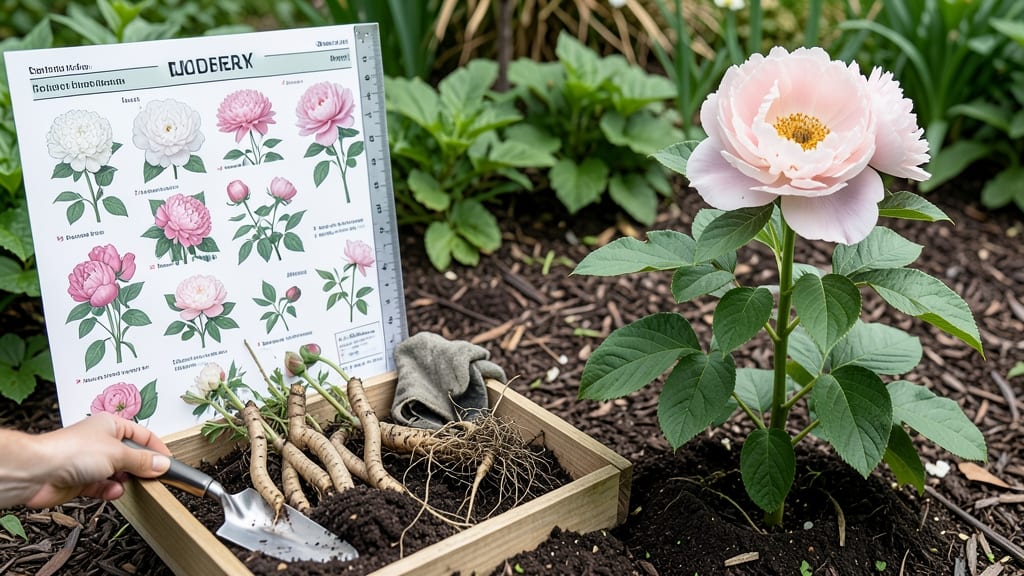
How to choose peonies that scream "perfect" garden drama—lush blooms that smell like spring and last for weeks. 🌸 I’ve planted three varieties over five seasons, and the difference between a $20 plant and a $60 one? Night and day. The right peony transforms your garden from "nice" to "showstopper" in just one season.
Start with your climate and space. Herbaceous peonies (the classic diggers) thrive in zones 3-8 and die back each winter, while tree peonies stay evergreen in zones 5-8.
Bloom colors range from blush pink to deep crimson—pick based on your garden’s palette. Pro tip: Disease-resistant varieties like ‘Sarah Bernhardt’ or ‘Bowl of Beauty’ save future headaches.
At the nursery, dig for plump, white roots (no black spots!) and firm stems. Buds should be tight and unopened—never buy blooming plants. For cut flowers, choose double blooms (more petals = longer vase life).
Borders? Go for multi-blooming types like ‘Coral Charm’ for continuous color. My first peony died because I ignored the roots—don’t make that mistake.
Plant in full sun with well-draining soil, and mulch to protect roots. Expect blooms in 2-3 years (worth the wait!). Use peonies as focal points, mixed borders, or even fragrant hedges.
Just remember: the best peonies aren’t just pretty—they’re long-term investments that pay off in color, scent, and curb appeal.
📚 In This Guide
- What you need
- Instructions
- Tips and common mistakes
- Wrapping up and next steps
What you need
- ● Peony plants or cuttings: 1–5 healthy peony roots or bareroot plants (depending on your garden size or bouquet needs)
- ● Look for: firm, plump roots with 3–5 "eyes" (buds) and no signs of rot or pests.
- ● Well-draining soil: 5–10 gallons of loamy, slightly acidic soil (pH 6.5–7.0)
- ○ Optional boost: Mix in 1–2 cups of compost or aged manure per plant for nutrients.
- ● Garden tools: 1 trowel or spade (for planting)
- ● 1 pair of pruning shears (for trimming stems or deadheading)
- ● 1 hose or watering can (with a gentle spray nozzle)
- ● Sunlight access: Full sun (6+ hours of direct sunlight daily) for outdoor planting.
- ● Indoor tip: A south-facing window or grow light for potted peonies.
- ● Mulch (2–3 inches of straw or wood chips to retain moisture and regulate soil temp)
- ● Fertilizer (balanced 10-10-10 or peony-specific fertilizer, applied in early spring)
- ● Support stakes (for tall varieties like Paeonia lactiflora)
- ● Floral preservative (for cut peonies in vases—extends vase life by 3–5 days!)
- ● Gloves (to protect hands while handling thorny stems or soil)
Tips & tricks for perfect peony selection
These insider insights will help you choose peonies that thrive in your garden and deliver stunning blooms year after year.
Light Testing: The 6-8 hours of direct sunlight requirement for herbaceous peonies is non-negotiable for peak performance. I've found that using a simple light meter app on your phone for a week gives precise data—most gardeners underestimate shade from nearby trees or structures. For tree peonies in Step 1, position them where they receive morning sun but afternoon shade to prevent wilting during those critical 90°F+ summer days.
Root Quality Inspection: When evaluating bare-root peonies in Step 3, pay special attention to the "eyes" (buds)—these should be plump and white, not shriveled or brown. I've learned the hard way that even slightly dried-out eyes can mean years of poor blooming. For container-grown peonies, gently squeeze the roots—if they feel spongy, the plant has been overwatered and may struggle to establish. The crown should sit just below soil level; burying it too deep is a common mistake that prevents blooming.
Seasonal Layering Strategy: To create continuous bloom color as mentioned in Step 2, I recommend planting at least three varieties with staggered bloom times. Start with early bloomers like 'Karl Rosenfield' (May), add mid-season types like 'Sarah Bernhardt' (June), and finish with late varieties like 'Duchesse de Nemours' (July). This creates a cascading effect where one variety fades just as another peaks. For fragrance lovers, include 'Bowl of Beauty'—its heavy scent will fill your garden when planted near seating areas.
Soil Preparation: The 3-4 inches of compost recommendation for heavy clay soils in Step 5 is perfect, but don't stop there. I always mix in a handful of perlite or coarse sand to improve drainage further. For existing garden beds, conduct the water test—if water drains in less than 4 hours, your soil is ideal. If it takes longer, create raised beds or mound soil to prevent waterlogging, which can cause root rot in peonies.
Pro Tips for Choose Peonies
- These insider insights will help you choose peonies that thrive in your garden and deliver stunning blooms year after year.
- Light Testing: The 6-8 hours of direct sunlight requirement for herbaceous peonies is non-negotiable for peak performance.
- Root Quality Inspection: When evaluating bare-root peonies in Step 3, pay special attention to the "eyes" (buds)—these should be plump and white, not shriveled or brown.
Frequently asked questions
about choosing peonies—because every gardener deserves a little extra guidance!When is the best time to plant peonies?
The ideal time to plant peonies is in early fall (4-6 weeks before the ground freezes) or early spring (as soon as the soil is workable). This gives roots time to establish before extreme temperatures hit. Avoid planting in summer heat, which can stress the tubers.
How do I know if a peony is healthy before buying?
Look for plump, firm buds (not wilted or dried out) and green, flexible stems. Avoid plants with yellowing leaves, mold, or hollow stems—these are red flags! Also, check for at least 3-5 strong buds per stem for a lush display.
How long do cut peonies last in a vase?
With proper care, cut peonies can last 7-10 days in a vase. Trim stems at an angle, change water every 2 days, and place them in a cool spot away from direct sunlight. For extra longevity, add a flower food packet to the water.
Can I grow peonies in containers?
Yes! Peonies thrive in containers if the pot is at least 18 inches deep and has drainage holes. Use well-draining soil and ensure the plant gets full sun (6+ hours daily). Just be mindful—container-grown peonies may need annual repotting to prevent root crowding.
Why aren’t my peonies blooming?
Peonies need patience and proper conditions to bloom. Young plants may take 2-3 years to flower. Ensure they get full sun, well-draining soil, and aren’t over-fertilized (too much nitrogen = more leaves, fewer blooms!). Also, avoid moving established plants—peonies hate transplant shock.
Wrapping up and next steps
Choosing the perfect peonies is all about balancing seasonal timing, color preferences, and freshness. Whether you’re gifting them or treating yourself, prioritize vibrant petals, a sweet fragrance, and sturdy stems—these are your secrets to long-lasting beauty! 🌸
Now that you’re armed with the know-how, take the next step: Visit your local florist or garden center this spring (or late fall for dormant varieties) and pick out your dream peonies.
Pro tip: Pair them with complementary blooms like roses or ranunculus for a show-stopping arrangement. Happy blooming! 🌷