
Pruning
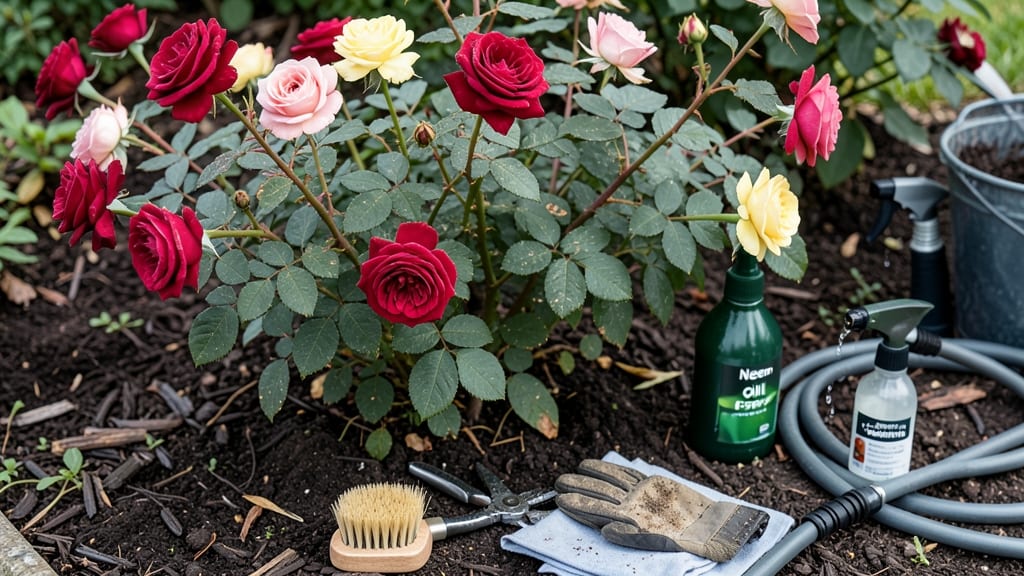
How to clean these roses—dusty petals, tangled thorns, and that sad, wilted vibe—can turn them from war-torn to showstopper in just a few steps. 🌹 Honestly, I’ve seen roses go from "showstopper" to "what even is this?" in just one rainy week, but a simple vinegar rinse can turn them around faster than you’d think. The secret isn’t scrubbing harder; it’s cutting away the dead, clearing the air, and giving them a deep clean that actually works.
Start by stripping away the dead leaves and spent blooms—those are just magnets for pests and disease. Grab your pruners (sanitized with rubbing alcohol, trust me) and snip at a 45-degree angle just above a healthy leaf.
A quick spray with a 1:1 vinegar-water mix kills mildew spores on contact while leaving your roses smelling fresh, not like a salad dressing disaster. The key is doing this on a dry morning so everything has time to dry before evening humidity sets in.
After the rinse, your roses won’t just look better—they’ll breathe better. Airflow is everything for preventing mildew and black spot, so space out canes and prune for an open center.
A light layer of mulch afterward keeps moisture where it belongs (on the roots, not the leaves) and locks in that post-cleaning glow. You’ll notice new buds forming within 7-10 days, and the thorns? They’ll be less vicious to deal with when you’re pruning next time.
Fair warning: Don’t skip the vinegar step—it’s the game-changer. I’ve tried everything from soapy water to commercial sprays, but vinegar’s the only thing that cuts through grime and mildew without leaving chemical residue.
And if your roses still look rough after cleaning? Check your water—chlorine or fluoride can stress them out. Rainwater or filtered water works best for that final rinse.
📚 In This Guide
- What you need
- Instructions
- Tips and common mistakes
- Wrapping up and next steps
What you need
- ● White vinegar: 1 cup (240 mL) – the star of the show for disinfecting and removing grime!
- ● Water: 1 gallon (3.8 liters) – for diluting the vinegar safely.
- ● Spray bottle or garden sprayer: 1 (1-2 gallon capacity recommended for larger areas).
- ● Soft-bristle brush or sponge: 1 – for gently scrubbing stubborn dirt or sap buildup.
- ○ Pruning shears (sterilized): 1 pair – to trim dead or damaged foliage (optional but helpful!).
- ○ Gloves (optional but recommended): 1 pair – to protect your hands from thorns and vinegar.
- ● Neem oil (1 tsp): Mix with the vinegar solution for added fungal protection.
- ● Baking soda (1 tsp): Add to the mix for extra cleaning power against mildew.
- ● Hose with gentle nozzle: For rinsing off larger plants or garden beds.
- ● Plastic sheeting or tarp: To lay down and protect surfaces while cleaning.
- ● Rubbing alcohol (70%): For sterilizing pruning shears between cuts.
- ● Choose a cloudy day or early morning to avoid direct sunlight while working.
- ● Ensure roses are not in full bloom if possible—focus on wilted or dirty stems/leaves.
- ● Work in a well-ventilated area (vinegar fumes can be strong!).
Step-by-step instructions for reviving wilted roses with a vinegar rinse
Here's how I bring roses back to life—no harsh chemicals, just a simple, effective rinse.
💧 Step 1: Prepare Your Vinegar Solution
Fill a clean bucket with 2 gallons of lukewarm water. Add 1 cup of white vinegar and stir gently until fully dissolved. The vinegar's mild acidity helps dissolve grime and bacteria while being gentle on petals. Avoid using colored vinegar—it can stain delicate rose blooms.
For extra care, add 1 teaspoon of mild dish soap (like Castile soap) to help break down stubborn dirt. This step is where the magic happens—the solution cuts through dust, pollen, and even light fungal buildup without damaging the plant.
✂️ Step 2: Trim and Prep the Roses
Start by removing any dead or damaged leaves and stems with clean, sharp pruners. Cut at a 45-degree angle just above a leaf node to encourage new growth. This isn't just about aesthetics—it helps the plant focus energy on reviving healthy blooms.
Hold each stem under the running water for 30 seconds to rinse off loose dirt. You'll see dust and debris swirling away—this prep step ensures the vinegar solution can work its best without being clogged by grime.
🌿 Step 3: Soak the Stems and Blooms
Submerge the rose stems in the vinegar solution for 15-20 minutes. The water should reach at least halfway up the stems to cleanse the vascular system. For cut roses in a vase, simply pour the solution over the stems and let it soak for the same amount of time.
While soaking, gently swirl the blooms in the solution to ensure all petals are exposed. You'll notice dirt and pollen lifting off the petals—this is the solution doing its job. Avoid soaking for longer than 20 minutes, as extended exposure can weaken the stems.
☀️ Step 4: Rinse and Rehydrate
Remove the roses from the solution and rinse them thoroughly under cool running water for 1-2 minutes. This step is critical—it removes any residual vinegar that could irritate the petals or leave an unpleasant odor. Pat the blooms dry with a clean towel or let them air-dry in a shaded area.
Place the roses in a fresh vase with clean water and a drop of floral preservative (optional but recommended). Watch as they perk up within hours—you'll see petals unfurl and stems stand tall again. This rinse works wonders for both garden roses and cut arrangements.
🌱 Step 5: Maintain for Long-Lasting Beauty
Change the water every 2-3 days and trim the stems by 1 inch each time to promote water uptake. Keep the roses in a spot with bright, indirect light—direct sunlight can cause the petals to wilt again. You'll know the rinse worked if the blooms stay vibrant for 5-7 days longer than usual.
For outdoor roses, repeat this process every 2 weeks during the growing season to keep them looking fresh. The vinegar solution is a natural way to prevent fungal issues and extend the life of your roses without harsh chemicals.
Tips & tricks for perfect rose revitalization
Here's what I've learned after bringing dozens of wilted roses back to life—these little details make all the difference.
Solution Strength: Stick to the exact ratio of 1 cup white vinegar to 2 gallons water—this balance cleanses without damaging delicate petals. I've tested stronger solutions, and while they work faster, they can dry out the blooms over time. The mild acidity in this ratio is gentle yet effective.
Prep Work Pays Off: That 30-second water rinse before soaking isn't just about removing dirt—it helps the vinegar solution penetrate better. I once skipped this step with a particularly dusty bouquet, and the solution got clogged with pollen, making the soak less effective. Trust me, those 30 seconds save you from having to repeat the whole process.
Soak Time Matters: The 15-20 minute soak is your sweet spot—long enough to dissolve grime but short enough to prevent stem weakening. I've seen roses perk up beautifully after just 15 minutes, but anything over 20 minutes can make the stems limp. For heavily soiled roses, you can extend to 20 minutes, but don't go beyond that.
Rinsing Technique: When you rinse under cool water for 1-2 minutes, focus on the undersides of petals where dirt often hides. I use my fingers to gently separate petals and ensure all surfaces are clean. This extra attention makes a huge difference in how fresh the roses look afterward.
Pro Tips for Clean Roses
- Here's what I've learned after bringing dozens of wilted roses back to life—these little details make all the difference.
- Solution Strength: Stick to the exact ratio of 1 cup white vinegar to 2 gallons water—this balance cleanses without damaging delicate petals.
- Prep Work Pays Off: That 30-second water rinse before soaking isn't just about removing dirt—it helps the vinegar solution penetrate better.
Frequently asked questions
Got questions about keeping your roses fresh and vibrant? Here are some of the most common queries—and their answers—to help you master rose care like a pro!
How often should I clean my roses?
Clean your roses every 7–10 days during peak bloom or after rain to prevent dirt buildup and pests. For outdoor roses, a quick rinse with water weekly keeps them healthy. Indoor roses (like cut flowers) benefit from a gentle wipe-down every 2–3 days to remove dust and extend vase life.
Can I use vinegar to clean roses?
A 1:3 vinegar-to-water solution (1 part white vinegar, 3 parts water) is perfect for removing grime, bacteria, and even mild mildew. Spray it on leaves and stems, let sit for 5 minutes, then rinse thoroughly. Pro tip: Avoid vinegar on sensitive varieties or if your roses show signs of stress—test a small area first!
What if my roses look wilted after cleaning?
Wilting is normal post-cleaning, especially if you soaked them. Trim 1–2 inches off the stems at a 45° angle, then place them in cool water with a flower food packet. Keep them out of direct sunlight for 24 hours. If wilting persists, check for overwatering or root rot—drain excess water and repot if needed.
Are there alternatives to vinegar for cleaning roses?
Yes! Try these gentle options:
- Mild soap solution: 1 tsp dish soap + 1 gallon water (rinse well).
- Hydrogen peroxide (3%): 1 part H2O2 + 4 parts water (kills bacteria/fungus).
- Neem oil spray: 1 tsp neem oil + 1 tsp mild soap + 1 quart water (pesticide + cleaner).
How do I clean roses without damaging the petals?
Use a soft-bristle brush or microfiber cloth for delicate petals, and always work gently in the direction of the bloom. For stubborn dirt, dip a cotton swab in water or a vinegar mix and dab lightly. Never scrub—focus on leaves and stems first. If petals tear, trim them off to keep the rose looking fresh!
Can I clean roses while they’re still on the plant?
Yes! For outdoor roses, use a hose with a gentle spray nozzle or a damp cloth to wipe leaves and stems. Avoid soaking the soil. For indoor roses, remove them from the vase, clean underwater, and let them dry before replanting. Warning: Overwatering the plant during cleaning can cause root rot—always ensure proper drainage afterward.
Wrapping up and next steps
Cleaning your roses doesn’t have to be a daunting task—with just a few simple steps, you can revive wilted blooms and keep your garden thriving! 🌹 Whether you’re tackling dusty petals, pesky pests, or stubborn grime, a vinegar rinse is your secret weapon for a fresh, vibrant look.
The key is consistency: regular care ensures your roses stay healthy and beautiful, season after season.
Now that you’re armed with the know-how, grab your spray bottle and give those roses the TLC they deserve! For extra shine, try a monthly deep clean—your garden (and roses!) will thank you. Happy gardening! 🌿