
Propagation
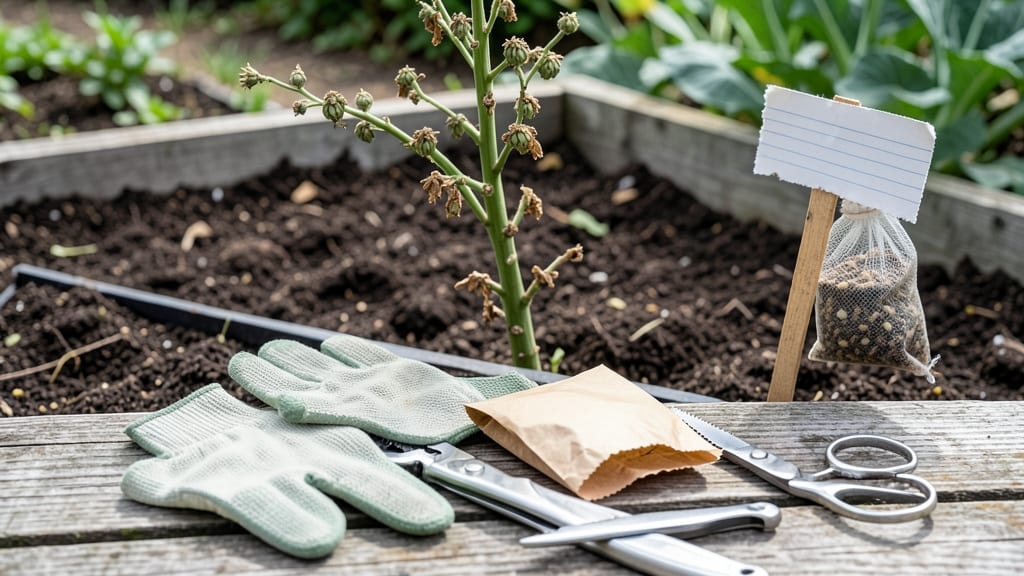
Collecting cabbage seeds saves money and preserves heirloom varieties. 🌱 Last year, I grew a stunning purple cabbage that I couldn’t find anywhere—so I learned to collect its seeds myself. The process is simpler than you’d think, especially when you focus on the right timing and techniques.
You’ll need mature cabbage plants that have bolted—those tall, flower-stalked plants that look like they’ve given up on producing heads. Once the flowers fade and seed pods form, it’s time to harvest.
The key is patience; rush it, and you’ll end up with seeds that won’t germinate well. Let the pods dry completely on the plant before touching them.
After harvesting, you’ll dry the seeds indoors for a week or two in a warm, dry spot. Store them in a sealed container in a cool, dark place, and they’ll stay viable for up to five years.
Imagine starting next year’s garden with seeds from your very own plants—nothing beats that feeling of self-sufficiency.
This method works for all cabbage family plants, including broccoli, kale, and Brussels sprouts. The only real mistake is harvesting too early, so keep an eye on those pods until they’re fully brown and crisp. Ready to save seeds like a pro?
📚 In This Guide
- What you need
- Instructions
- Tips and common mistakes
- Wrapping up and next steps
What you need
- ● Mature cabbage plants: Choose healthy, disease-free plants that have bolted (flowered) and are ready for seed collection. Aim for at least 3-5 plants to ensure a good yield.
- ● Pruning shears or sharp scissors: For cleanly harvesting seed pods without damaging the plant.
- ● Paper bags (brown lunch bags or seed-saving envelopes): Use 1-2 bags per plant to collect seeds and prevent moisture buildup.
- ● Labeling tags or masking tape + permanent marker: Essential for tracking varieties (e.g., "Green Cabbage – 2024").
- ● Drying tray or mesh screen: A flat surface (like a baking sheet) or a wire mesh screen to spread seed pods for drying.
- ○ Fine-mesh sieve or sifter: To separate seeds from dried plant debris (optional but helpful).
- ● Air-tight containers (glass jars, plastic bags with zippers, or seed storage boxes): Choose containers with desiccant packets to absorb moisture and keep seeds viable for years.
- ● Fan or dehumidifier: Speeds up drying in humid climates.
- ● Magnifying glass: For inspecting seeds for pests or imperfections.
- ● Humidity pack (silica gel): Adds extra protection against moisture in long-term storage.
- ● Notebook or digital app: For logging seed varieties, harvest dates, and germination notes.
Step-by-Step instructions for collecting cabbage seeds
Here’s how to save seeds from your cabbage plants for next season’s garden.
🌱 Step 1: Choose Healthy, Disease-Free Plants
Pick mature cabbage plants that are thriving and free from any signs of disease or pest damage. Look for heads that are fully formed but not yet harvested—these are the best candidates for seed collection. Avoid plants that have been treated with chemicals, as residues can affect seed viability.
You’ll know a plant is ready when the head starts to open naturally, revealing yellow flowers. This usually happens in the plant’s second year, especially if you leave a few heads to bolt in late summer or early fall. If your cabbage heads are still tightly closed, they’re not ready yet.
☀️ Step 2: Allow Flowers to Develop and Dry
Once the cabbage head opens and flowers appear, let them fully mature. The flowers will turn from bright yellow to brown as they dry on the plant. This process can take 4-6 weeks, depending on your climate and growing conditions. During this time, keep the plants well-watered but avoid overwatering, which can cause rot.
If you’re in a warmer climate, you might need to provide some shade to prevent the flowers from drying too quickly. Watch for the seed pods to form—these will look like small, dry, brown capsules. When they’re fully dry and starting to split open, it’s time to collect the seeds.
✂️ Step 3: Harvest and Dry the Seeds
Carefully cut open the dried seed pods and collect the small, dark seeds inside. You’ll find thousands of tiny seeds in each pod, so a few pods will give you plenty for next year. Place the seeds in a clean, dry container—like a small paper bag or envelope—to prevent moisture buildup.
Spread the seeds out on a piece of paper or in a shallow tray and let them dry for an additional 3-5 days in a warm, dry place. This extra drying step ensures the seeds won’t mold or spoil during storage. Stir them occasionally to speed up the process.
🪴 Step 4: Store Seeds Properly for Long-Term Viability
Once the seeds are completely dry, transfer them to an airtight container like a glass jar or sealed envelope. Label the container with the cabbage variety and the date of collection—this helps track freshness. Store the seeds in a cool, dark place, like a pantry or refrigerator, where they’ll stay viable for 3-5 years.
Check the seeds occasionally for signs of moisture or pests. If you notice any issues, transfer them to a new container immediately. Properly stored cabbage seeds should remain dry and ready for planting when you’re ready to start your next crop.
Tips & tricks for perfect cabbage seed collection
Saving cabbage seeds is all about patience and attention to detail—here's how to make sure you don't miss the window for collection.
Plant Selection: I can't stress enough how important it is to choose the healthiest plants possible. Look for cabbage heads that are fully mature but still intact—those with yellow flowers starting to emerge are your best bet. If you notice any signs of disease like yellowing leaves or soft spots, skip that plant entirely. Healthy plants yield the most viable seeds, and this is especially true for heirloom varieties where seed saving matters most.
Timing Secret: The 4-6 week drying period in Step 2 is your golden opportunity to observe the natural process. This is when the flowers transform from bright yellow to brown—think of it like watching a time-lapse of nature's schedule. If you're in a particularly humid climate, you might need to extend this period slightly. Watch for the seed pods to form and dry completely before harvesting; they'll start splitting open when they're ready, which is your cue that the seeds inside are fully mature.
Harvesting Technique: When it comes time to harvest those dried pods in Step 3, I recommend using a small pair of scissors or your fingernails to carefully open them. The seeds are incredibly tiny and can easily scatter if you're not gentle. Place them immediately into a clean, dry container—moisture is the enemy here. Spread them out on paper afterward to dry for that extra 3-5 days; this final drying step is what prevents mold and ensures your seeds stay viable for years to come.
Storage Wisdom: The 3-5 year viability window mentioned in Step 4 is impressive, but only if you store your seeds properly. I've found that using small, labeled envelopes works best for organization—especially if you're saving multiple varieties. Store them in a cool, dark place like a pantry or refrigerator, but check them occasionally for any signs of moisture or pests. A small packet of silica gel in the container can help absorb any lingering moisture that might cause issues over time.
Pro Tips for Collect Cabbage Seeds
- Saving cabbage seeds is all about patience and attention to detail—here's how to make sure you don't miss the window for collection.
- Plant Selection: I can't stress enough how important it is to choose the healthiest plants possible.
- Timing Secret: The 4-6 week drying period in Step 2 is your golden opportunity to observe the natural process.
Frequently asked questions
Got questions about saving cabbage seeds? You’re not alone—here are some of the most common ones to help you troubleshoot or plan ahead!
Can I collect seeds from any cabbage variety?
Most open-pollinated cabbage varieties (like ‘Golden Acre’ or ‘Early Jersey Wakefield’) are great for seed saving, but hybrids (marked with an "F1" tag) won’t produce true-to-type seeds. Stick to heirlooms or organic seeds labeled for saving to ensure reliable results next season.
How long does it take for cabbage seeds to mature?
After flowering, it takes 4–6 weeks for seed pods to dry and turn brown. If your cabbage bolts (sends up a flower stalk) early, you might need to wait until late summer or early fall for full maturity. Patience pays off—don’t harvest too soon!
What if my cabbage flowers but doesn’t set seeds?
This could happen due to cold temperatures (below 50°F), lack of pollinators, or poor nutrition. Try hand-pollinating with a soft brush or ensuring bees visit your garden. If the plant looks weak, add compost or a balanced fertilizer to boost energy for seed production.
How do I store cabbage seeds long-term?
Once dry, store seeds in a cool, dark place (like a sealed jar in the fridge) with a desiccant packet to prevent moisture. Label them with the variety and year—properly stored seeds stay viable for 3–5 years (some last even longer!).
Can I save seeds from store-bought cabbage?
Probably not! Most grocery-store cabbage is hybridized for uniformity and won’t produce viable seeds. If you’re set on saving seeds, grow certified organic or heirloom varieties from a reputable seed company instead.
Wrapping up and next steps
Collecting cabbage seeds is a rewarding way to ensure a fresh, homegrown harvest for years to come! By following these simple steps—selecting healthy plants, harvesting seeds at the right time, and storing them properly—you’ll be well on your way to a thriving garden. 🌱
Now that you’re armed with the knowledge, why not take the next step? Experiment with different varieties, document your process, and share your successes (or lessons learned) with fellow gardeners. Happy growing—your future harvests will thank you! 🌟