
How To
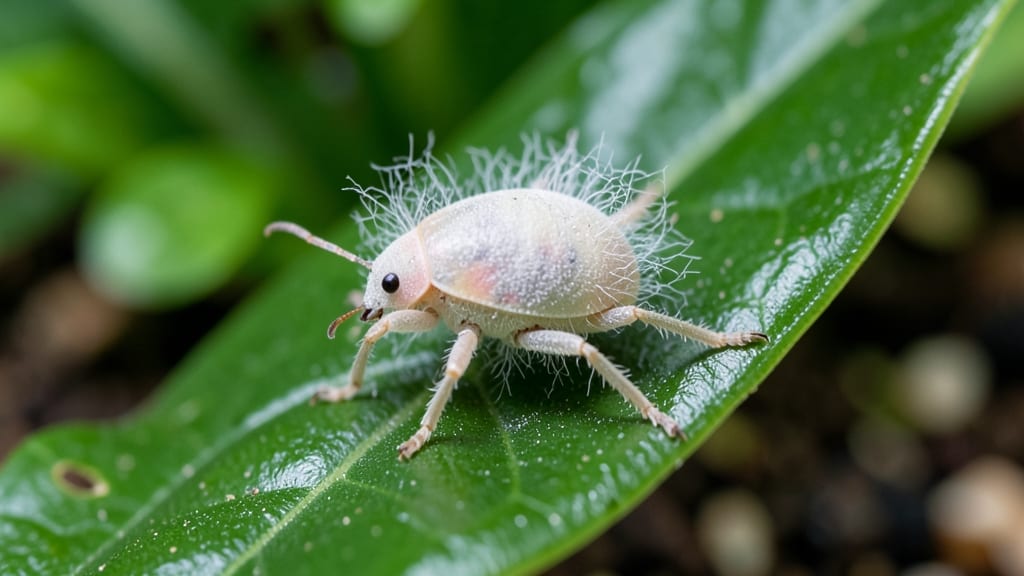
How to control mealybugs on houseplants before they turn your green babies into sticky, cottony messes is all about speed and precision. These fluffy invaders multiply faster than you can say "pest problem," but the boiling water barrier method is the fastest way to smother them before they spread to your whole collection. No harsh chemicals, no waiting weeks for results—just targeted heat that kills them on contact. The secret lies in precision: pour boiling water directly onto the pests (not the soil) when they’re clustered, and repeat every 3-4 days until they’re gone. It’s brutal for mealybugs but completely safe for your plants once they cool. I’ve saved dozens of ferns, pothos, and orchids this way—even when store-bought sprays failed. What you’ll get is plants that bounce back in days, not weeks, with no sticky residue or chemical fumes. The key is acting fast—these bugs multiply overnight, so don’t wait until your leaves look like they’ve been dusted with sugar. This method works for any infested plant, from succulents to monstera. Fair warning: it’s messy, but worth it. Grab a kettle and let’s get those pests gone for good—without sacrificing your green babies in the process.
Root Causes of Mealybug Outbreaks
Mealybugs—those fluffy, cotton-like pests—don’t just appear out of nowhere. Their infestations thrive because of specific conditions that favor their survival and reproduction. Understanding these triggers is the first step to preventing future outbreaks on your houseplants. Let’s break down the science behind why these pests take over your green babies.
Mealybugs are opportunistic feeders, meaning they target plants that are already struggling. When your houseplants are stressed—whether from poor lighting, root-bound pots, or nutrient deficiencies—they produce honeydew, a sticky sap that attracts mealybugs like a buffet. Here’s why this happens:
- Weakened Defenses: Stressed plants have lower chlorophyll production and reduced sap flow, making them easier targets for sap-sucking pests.
- Root-Bound Stress: When roots circle the pot or lack space, they release stress signals (like ethylene gas) that weaken the plant’s immune response.
- Overwatering or Underwatering: Both extremes disrupt the plant’s osmotic balance, forcing it to divert energy away from defense mechanisms like phloem sap protection.
💡 Pro Tip: Rotate your plants every few weeks for even light exposure and repot them when roots exceed the pot size by 20-30% to reduce stress.
Mealybugs love tropical conditions—just like many houseplants. If your home mimics their ideal environment, they’ll multiply rapidly. Here’s the science:
- Humidity >60%: Mealybugs thrive in moist air because their waxy coating prevents dehydration, but high humidity also slows down natural predators (like ladybugs or lacewings) that could keep them in check. - Warm Temperatures (70–85°F): Their metabolic rate doubles in warmth, accelerating reproduction.
A single female can lay hundreds of eggs in her lifetime under these conditions. - Poor Air Circulation: Stagnant air traps moisture near leaves, creating microclimates where mealybugs flourish. Their eggs also hatch faster in still, humid air.
🌡️ Pro Tip: Use a hygrometer to monitor humidity and aim for 40–60% for most houseplants. A small fan on low can improve air circulation without harming delicate leaves.
Mealybugs often hitch a ride on new purchases or shared gardening tools. Here’s how contamination spreads:
- Infested Propagations: Cuttings, soil, or even potting mix from nurseries can harbor mealybugs in their egg stage (which can survive for months).
- Cross-Contamination: Reusing pruners, pots, or gloves on infected plants transfers pests to healthy ones via hidden eggs or nymphs.
- Beneficial Insects Gone Rogue: While ladybugs eat mealybugs, some accidentally introduce them if they’re not properly contained during release.
🛒 Pro Tip: Quarantine new plants for 2–4 weeks before introducing them to your collection. Wipe tools with 70% isopropyl alcohol between uses.
Soil health directly impacts mealybug activity. Here’s how imbalances create the perfect breeding ground:
- Compacted or Waterlogged Soil: Poor drainage stresses roots, leading to sap buildup—a mealybug magnet.
Their stylets (mouthparts) pierce weakened cells easily. - Over-Fertilization: Excess nitrogen boosts leaf growth but weakens cell walls, making plants more susceptible to sap-sucking pests. - Lack of Beneficial Microbes: Healthy soil teems with predatory fungi (like Beauveria bassiana) and bacteria that naturally suppress mealybug populations.
🌱 Pro Tip: Use well-draining soil mixes with perlite or orchid bark, and fertilize lightly (half-strength solution) every 4–6 weeks in growing season.
In nature, mealybugs face a gauntlet of predators, but indoor environments often lack these checks and balances. Key missing players include:
- Ladybugs & Lacewings: These insects devour mealybugs at all life stages, but they avoid treated or sealed indoor spaces.
- Parasitic Wasps: Tiny Aphytis melinus wasps lay eggs inside mealybugs, killing them from within—but they’re rarely present indoors.
- Spiders & Predatory Mites: These ambush hunters thrive in greenhouses but are often absent in homes.
🕷️ Pro Tip: Introduce commercial predator packs (like Cryptolaemus montrouzieri beetles) or DIY solutions (e.g., releasing ladybugs from garden centers).
Indoor environments can create unpredictable conditions that favor mealybugs, especially during transitions:
- Winter Heating: Dry air from forced-air heating weakens plants, while radiators near windows create warm pockets where mealybugs thrive.
- Summer AC Overuse: Over-cooling reduces humidity below 40%, but condensation on leaves (from cold surfaces) mimics their ideal damp conditions.
- Holiday Plants: Poinsettias, cyclamen, and citrus trees are common mealybug hosts because their thick leaves trap moisture and sap.
📅 Pro Tip: Group plants together to moderate humidity and avoid placing them near drafts, vents, or direct sunlight, which causes stress.
Mealybugs exploit weakness, opportunity, and imbalance. By addressing plant stress, environmental conditions, and contamination risks, you can starve them of their ideal conditions—and make your houseplants too tough to conquer. The next step? Act fast with targeted treatments before they spin out of control. 🚀
How to Fix Mealybug Infestations Fast
Now that you know what’s inviting these fuzzy pests to your houseplants, it’s time to take action! Mealybugs may be stubborn, but with the right approach, you can eliminate them quickly and keep your plants thriving.
Below are targeted solutions based on the root causes, from quick fixes to long-term prevention.
Mealybugs thrive where plants are stressed or packed too closely. Fix it by giving your greens some breathing room and a health boost.
- 🍃 Trim Infested Leaves Snip off heavily infested leaves with clean scissors (dip in rubbing alcohol first) and dispose of them in a sealed bag—not the compost! Focus on:
- Yellowing or curled leaves
- Areas with sticky residue ("honeydew")
- New growth where bugs cluster
- 🌱 Improve Airflow & Light
- Space plants 2–3 inches apart to reduce humidity pockets.
- Move plants near a bright window (but avoid direct scorching sun).
- Use a small fan on low setting (30 mins/day) to deter pests naturally.
- 💪 Fertilize Smartly
- Switch to a balanced, water-soluble fertilizer (like 10-10-10) once a month in spring/summer.
- Avoid over-fertilizing—mealybugs love weak, nutrient-starved plants.
- Pro tip: 💡 Neem cake fertilizer (organic) repels pests while feeding plants.
Honeydew attracts ants and fungi like sooty mold. Break the cycle with these steps:
- 🧼 Wipe Down Leaves Use a damp microfiber cloth with:
- Mild soap solution (1 tsp dish soap + 1 quart water)
- 70% isopropyl alcohol (for stubborn residue—test on a small area first)
- Neem oil spray (1 tsp neem oil + 1 tsp mild soap + 1 quart water)
- 🚫 Block Ant Trails Ants "farm" mealybugs for honeydew. Stop them with:
- Diatomaceous earth (DE) around pot edges (food-grade only).
- Cinnamon sticks placed near infested plants (ants hate the smell).
- Double-sided tape on windows/sills to trap scout ants.
- 🌡️ Prevent Sooty Mold
- Spray plants with water to wash away honeydew before it hardens.
- Wipe leaves regularly to keep them clean.
Bringing home a new plant? Act fast to avoid cross-contamination.
- 🛡️ Quarantine New Plants
- Keep them separate for 2–4 weeks in a sunny, well-ventilated spot.
- Inspect daily under leaves, stems, and soil surface with a magnifying glass.
- 🔍 Deep-Clean Before Repotting
- Rinse roots in warm, soapy water (1 tsp soap per gallon).
- Soak pots in vinegar solution (1:1 water + white vinegar) for 10 mins before reuse.
- Replace soil if repotting—sterilize with baking soda (1 tbsp per gallon of soil).
- 🌿 Outdoor Plants? Check Thoroughly
- Shake plants outside over a white sheet to spot pests.
- Isolate affected plants until treated.
If mealybugs have taken over, combine methods for a knockout punch:
| Method | How to Use | Best For |
|---|---|---|
| Boiling Water | Pour 1 cup directly on soil and stems (avoid leaves). Repeat weekly. | Root-bound infestations |
| Insecticidal Soap | Spray every 5–7 days until gone (test on a leaf first). | Visible clusters on leaves/stems |
| Neem Oil Spray | Mix 2 tbsp neem oil + 1 tsp soap + 1 quart water. Spray evening/night. | Prevention + light infestations |
| Horticultural Oil | Apply weekly (follow label). Works in cold weather too. | Persistent crawlers |
| Systemic Granules | Mix into soil (e.g., imidacloprid). Takes 2–4 weeks to work. | Chronic, hidden infestations |
⚠️ Warning: Avoid chemical pesticides indoors—they can harm pets/kids. Stick to organic methods first.
Once you’ve kicked mealybugs out, keep them from crashing the party again:
- 🌿 Rotate Plants Weekly
- Flip pots so all sides get even light.
- Check undersides of leaves—mealybugs love hiding there.
- 💧 Water Wisely
- Water at soil level (not over leaves) to reduce humidity.
- Empty saucers after 10 mins to prevent soggy roots.
- 🐝 Encourage Beneficial Bugs
- Ladybugs, lacewings, and parasitic wasps eat mealybugs. Buy them online or attract them with dill, fennel, or marigolds.
- 🔄 Repot Annually
- Refresh soil every year to remove pest eggs/larvae.
- Trim roots if pot-bound to reduce stress.
Final Pro Tip: ✨ Boiling water + neem oil combo is your secret weapon—use boiling water for a fast smothering effect, then follow up with neem oil to starve remaining eggs. Repeat until your plants are 100% pest-free!
Frequently asked questions
Can I use rubbing alcohol to kill mealybugs directly?
Yes! Mix 70% isopropyl alcohol with water (1:1 ratio) and dab it onto mealybug clusters with a cotton swab. The alcohol dehydrates them instantly. Just avoid spraying it directly on leaves—test a small area first to prevent leaf burn. This works best for small infestations on stems and leaf undersides.
How long does it take for neem oil to work on mealybugs?
Neem oil disrupts mealybugs' life cycle within 24-48 hours, but you'll need to apply it every 5-7 days for 2-3 weeks to kill all stages (eggs, nymphs, and adults). Use it in the evening to avoid harming beneficial insects. For faster results, combine it with the boiling water method.
Will mealybugs spread to my other houseplants if I don't treat them?
Mealybugs multiply rapidly—one female can produce hundreds of eggs—and they spread through direct contact, honeydew (their sticky waste), or ants carrying them. Isolate infested plants immediately and treat nearby ones preventatively. These pests don't jump, but their eggs can hitchhike on tools, hands, or even air currents.
Is diatomaceous earth safe for my cats if I have mealybugs?
Only use food-grade diatomaceous earth (DE) and keep it away from your cat's reach. While it's non-toxic when ingested in small amounts, inhaling the dust can irritate their lungs. Sprinkle it lightly around pot edges (not on leaves) and water it in lightly. If your cat has respiratory issues, avoid DE entirely and opt for neem oil or insecticidal soap instead.
Why do mealybugs keep coming back after I treat them?
They likely have hidden eggs in crevices, soil, or under leaves that hatch later. Mealybug eggs can survive for months without food! Treat every 3-4 days for 2-3 weeks to catch all life stages. Also check for new infestations on other plants—they might have spread while you were treating.