
How To
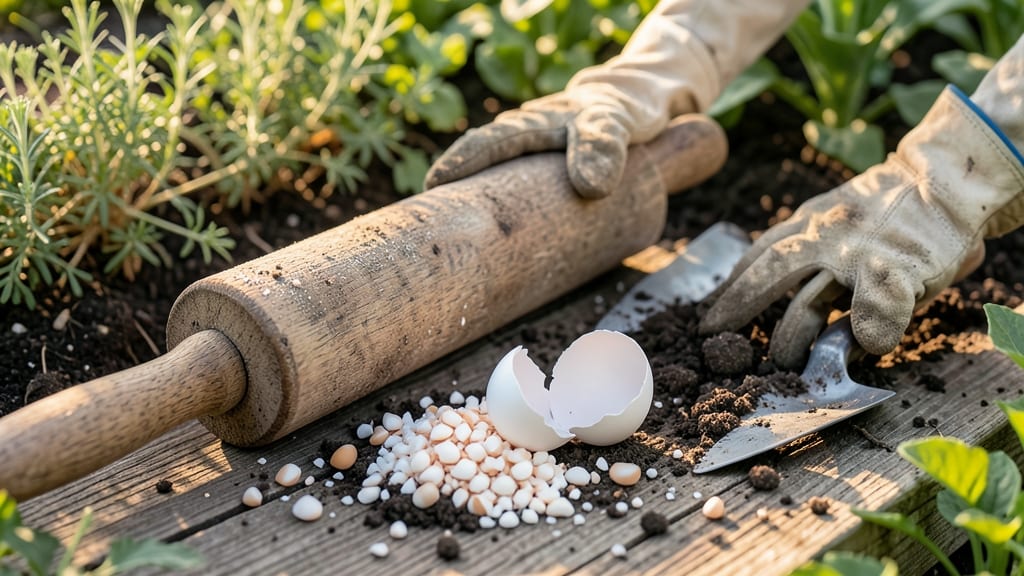
How to crush eggshells for the garden holds a secret weapon for stronger plants. 🌱 Crushed eggshells aren't just compost—when ground into fine pieces, they become a natural calcium source that prevents blossom-end rot in tomatoes, strengthens cell walls, and even deters slugs from munching your seedlings.
The process is simpler than you'd think: save clean shells, bake them to remove moisture, then crush into a powder using a rolling pin or mortar and pestle. No fancy tools needed—just patience and a little elbow grease.
The key is consistency: sprinkle the powder around plants every few weeks, or mix it directly into soil at planting time.
What you'll notice first is healthier foliage—leaves stay crisp and vibrant instead of yellowing at the edges. Tomatoes and peppers develop stronger stems, and your soil slowly builds up calcium reserves over time. The best part? You're turning waste into a resource without spending a dime.
Fair warning: don't overdo it—too much calcium can throw off soil pH. And if you're composting, crushed shells break down slowly, so they work best as a top dressing rather than buried deep. Start small with one or two plants this season and watch the difference!
📚 In This Guide
- What you need
- Instructions
- Tips and common mistakes
- Wrapping up and next steps
What you need
- ● Eggshells: 1–2 dozen (cleaned and dried—see tips below!)
- ● Plastic bag or paper towel: For drying shells (if fresh)
- ● Rolling pin, mortar & pestle, or clean hammer: For crushing (pick one!)
- ● Small bowl or container: To collect crushed shells
- ○ Gloves (optional but recommended): To keep hands clean while handling shells
- ● Garden soil or compost: For mixing with crushed shells
- ● Watering can or spray bottle: For hydrating plants after application
- ● Food processor or blender: For quick, fine crushing (if you’re tech-savvy!)
- ● Fine-mesh strainer: To sift out tiny shell fragments for seed-starting mixes
- ● Label or marker: To tag your eggshell compost pile
- ● Compost bin or bucket: For storing shells before crushing
Step-by-Step instructions for preparing crushed eggshells for your garden
Here's how I turn simple eggshells into a nutrient powerhouse for your plants.
🌱 Step 1: Collect and Clean Eggshells
Start by saving clean, empty eggshells from your kitchen. Rinse them thoroughly under warm water to remove any residual egg or food particles. I like to soak them for 5-10 minutes in a bowl of water with a splash of vinegar to break down any remaining proteins—this prevents pests and odors later.
Let them dry completely before handling. You'll know they're ready when they feel light and crisp to the touch. Store them in a paper bag or cardboard container until you're ready to crush them. Don't worry about the size—smaller shells are easier to crush, but larger ones work fine too.
✂️ Step 2: Crush the Eggshells Thoroughly
Use a clean rolling pin, mortar and pestle, or even a clean hammer to crush the eggshells into small pieces. I find a rolling pin works best—place a shell on a cutting board and roll over it firmly until it breaks into pea-sized pieces or smaller. The smaller the pieces, the faster they'll break down in your garden.
If you're using a food processor, pulse the shells in short bursts to avoid creating a powder—you want visible fragments. Wear a mask if you're sensitive to dust. Once crushed, spread the pieces on a baking sheet and bake at 200°F for 10-15 minutes to sterilize them. This kills any bacteria and makes them ready for your garden.
🌿 Step 3: Apply to Your Garden Soil
Sprinkle the crushed eggshells directly onto the soil surface around your plants. For most vegetables and flowers, I use about 1-2 tablespoons per plant, working it lightly into the top inch of soil. This provides a slow-release calcium boost without overloading the soil.
For acid-loving plants like blueberries or azaleas, use eggshells sparingly—too much calcium can raise soil pH. Instead, focus on plants that thrive with extra calcium, like tomatoes, peppers, and brassicas. Water the area lightly after applying to help the shells settle into the soil.
💧 Step 4: Use as Mulch or Compost Additive
For a long-term calcium boost, mix crushed eggshells into your compost pile. They'll break down slowly, releasing calcium over time. I like to add them in layers—sprinkle a handful on top of kitchen scraps, then cover with garden soil or straw. This creates a balanced compost that enriches your garden naturally.
You can also use them as a mulch around plants. Spread a thin layer (¼ inch thick) over the soil surface, keeping it away from plant stems. This prevents weeds while slowly releasing calcium as the shells break down. Reapply every few months for continuous benefits.
☀️ Step 5: Monitor and Reapply as Needed
Watch your plants for signs of calcium deficiency, like yellowing leaves or weak stems. If you notice these issues, especially in tomatoes or peppers, it's time to reapply crushed eggshells. I usually add them in early spring and again after harvesting to maintain soil health.
Don't overdo it—too much calcium can disrupt nutrient balance. A little goes a long way. If your soil is already rich in calcium (like in many urban areas), you might only need to apply eggshells once a year. Always pair them with other organic matter like compost or manure for best results.
Tips & tricks for perfect eggshell prep
A few simple tricks that'll make your eggshell garden fertilizer even more effective—and save you time in the process.
Cleaning Secret: That 5-10 minute vinegar soak in Step 1 isn't just about cleanliness—it's a game-changer for preventing odors and pests. I like to add a teaspoon of baking soda to the soak water for extra deodorizing power. The shells will be completely odor-free when dry, making them perfect for your garden without any unwanted smells.
Crushing Technique: For Step 2, I've found that placing shells in a sealed plastic bag with a few golf balls works wonders. Seal the bag and roll it back and forth until the shells are crushed—no mess, no cleanup! If you're short on time, a food processor is great, but remember to pulse in short bursts to avoid creating a powder that won't provide the same benefits.
Sterilization Shortcut: The 200°F bake for 10-15 minutes in Step 2 is crucial, but here's a pro move: Place the baking sheet in a warm oven while it's still cold, then turn it on. This saves energy and ensures even heating. You can also use this time to prep other garden tasks—multitasking at its finest!
Application Strategy: When applying in Step 3, I recommend mixing your crushed eggshells with a small amount of compost before spreading. This creates a balanced fertilizer that your plants can absorb more efficiently. For container plants, you can even sprinkle a pinch directly into the planting hole when transplanting seedlings.
Pro Tips for Crush Egg Shells For Garden
- A few simple tricks that'll make your eggshell garden fertilizer even more effective—and save you time in the process.
- Cleaning Secret: That 5-10 minute vinegar soak in Step 1 isn't just about cleanliness—it's a game-changer for preventing odors and pests.
- Crushing Technique: For Step 2, I've found that placing shells in a sealed plastic bag with a few golf balls works wonders.
Frequently asked questions
Got questions about turning eggshells into garden gold? You’re not alone! Here are answers to the most common curiosities—because even the best gardeners need a little extra help.
How long does it take for crushed eggshells to break down in the soil?
Crushed eggshells typically decompose in 3 to 6 months, depending on soil conditions. Finer pieces break down faster, while larger chunks may take longer. For quicker results, bake them at 200°F (93°C) for 10 minutes to sterilize and speed up decomposition.
Can I use eggshells from raw or cooked eggs?
Both work, but raw eggshells are slightly better because they retain more calcium. If using cooked eggshells, ensure they’re thoroughly cleaned and free of grease or seasoning. Rinse well to avoid introducing unwanted chemicals to your soil.
How often should I add crushed eggshells to my garden?
Apply crushed eggshells every 2–3 months as a light top dressing or mix them into the soil during planting. Overdoing it can raise soil pH too quickly—aim for a 1-inch layer per 10 sq ft for balanced results.
What if my eggshells smell bad or mold grows?
Discard any eggshells with a foul odor or mold—this means they’ve spoiled and could harm your plants. Always store clean, dry eggshells in a paper bag or mesh container in a cool, dark place to prevent contamination.
Are there alternatives to crushed eggshells for garden calcium?
Yes! Try wood ash (from untreated wood), crushed oyster shells, or calcium-rich compost. Each has pros and cons—ash raises pH quickly, while oyster shells release calcium slowly. Test your soil first to pick the best option!
Wrapping up and next steps
Crushing eggshells for your garden is a simple, eco-friendly way to give your plants a natural calcium boost—no fancy tools or skills required! 🌱 Whether you’re reviving tired soil, preventing blossom-end rot, or just looking for a zero-waste hack, these tiny shells pack a big punch.
Now that you’re armed with the how-to and pro tips, it’s time to roll up your sleeves and turn kitchen scraps into garden gold.
Ready to see the difference? Start small—try a handful of crushed shells in your next planting session—and watch your plants thrive with zero extra effort. Happy gardening! 🌿✨