
Pests
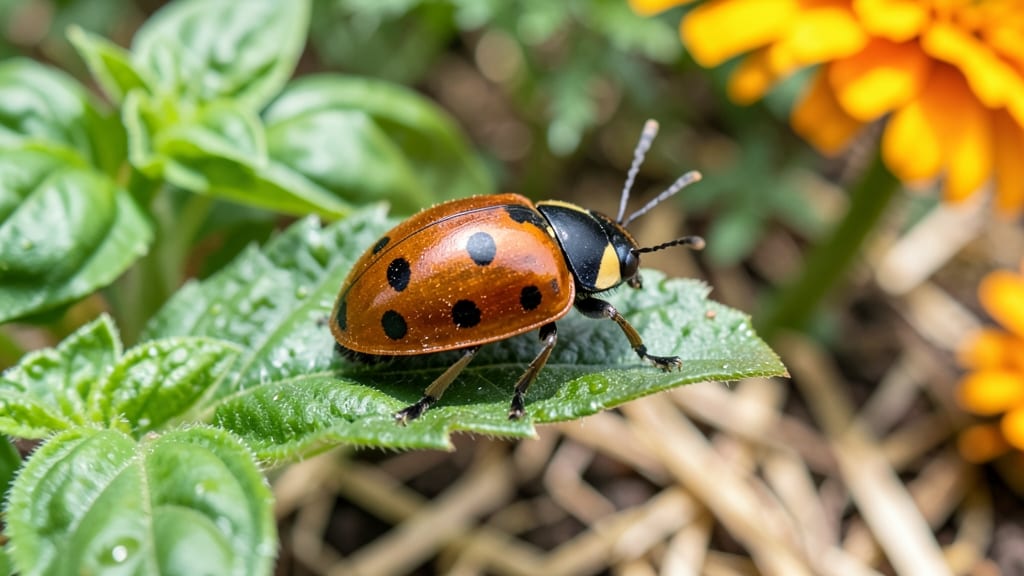
My first garden was a buffet for bugs—until I learned how to keep bugs out of the garden naturally with plant-powered tricks. 🌱 The key isn’t fighting pests, but outsmarting them with nature’s own defenses.
I’ll show you how to turn your garden into a fortress using what grows there naturally.
Start with companion plants like marigolds (they repel nematodes) or basil (keeps flies away). Add beneficial insects—ladybugs eat aphids, and lacewings tackle caterpillars. Even physical barriers like row covers or copper tape work wonders without chemicals.
By next week, you’ll see fewer pests and more blooms. The best part? These methods protect your soil, pollinators, and future harvests—no harsh sprays needed. Let’s get your garden back in balance.
Works for veggie patches, flower beds, and even container gardens. No fancy tools or toxic sprays required—just smart planting and a little patience. Ready to reclaim your garden?
📚 In This Guide
- What you need
- Instructions
- Tips and common mistakes
- Wrapping up and next steps
What you need
- ● Marigolds (French or African varieties) – 10-20 plants (space 12-18 inches apart)
- ● Basil, mint, or lavender – 5-10 plants (place near entry points like gates or windows)
- ● Garlic or chives – 3-5 plants (great for deterring aphids and carrot flies)
- ● Nasturtiums – 10-15 plants (acts as a trap crop for pests like squash bugs)
- ● Crushed eggshells – 1 cup (for slug/snail barriers)
- ● Diatomaceous earth (food-grade) – 1-2 lbs (sprinkle lightly in problem areas)
- ● Garden gloves (to handle materials safely)
- ● Pruners or shears (for trimming plants)
- ● Spray bottle (for homemade repellent mixes)
- ○ Straw or mulch – Optional but helpful (to retain moisture and deter pests)
- ○ Row covers (lightweight fabric) – Optional (for delicate plants)
Tips & tricks for creating effective natural pest barriers
A few strategic adjustments can turn your plant barriers from good to exceptional at keeping pests at bay.
Seasonal Plant Rotation: While marigolds excel in summer, they're less effective in cooler months. I've found that winter savory or wintergreen planted around brassicas in fall creates a powerful deterrent against cabbage worms. The key is matching the plant's natural pest-repelling compounds to the active pest seasons in your region. This seasonal rotation prevents pests from adapting to a single scent pattern.
Density is Non-Negotiable: In Step 2, when creating that continuous 3-foot-wide band of nasturtiums, don't be tempted to space them too far apart. I learned this the hard way—gaps larger than 12 inches allow pests to slip through. The denser the foliage, the more surface area for releasing those natural repellent compounds. For marigolds specifically, aim for plants spaced 12-18 inches apart to maximize coverage.
Soil Health Matters: Healthy soil equals stronger plants equals better pest protection. Before planting your barrier species in Step 1, amend the soil with compost or well-rotted manure to boost nutrient availability. I add a handful of kelp meal to my barrier plant beds annually—it strengthens plant defenses while improving overall vigor. The stronger the plant, the more potent its natural pest-repelling properties.
Companion Planting Synergy: When combining with companion planting in Step 4, think about scent layers. For example, basil and garlic chives planted together create a scent profile that's particularly effective against Japanese beetles. The combination of their natural compounds confuses insects more effectively than either plant alone. This layered approach is what gives my rose bushes that 80% Japanese beetle reduction—it's not just one plant working, but multiple working in harmony.
Pro Tips for Keep Bugs Out Of Garden Naturally
- A few strategic adjustments can turn your plant barriers from good to exceptional at keeping pests at bay.
- Seasonal Plant Rotation: While marigolds excel in summer, they're less effective in cooler months.
- Density is Non-Negotiable: In Step 2, when creating that continuous 3-foot-wide band of nasturtiums, don't be tempted to space them too far apart.
Frequently asked questions
Got questions about keeping bugs out of your garden naturally? You’re not alone! Here are some of the most common concerns—and practical solutions—to help you protect your plants without harsh chemicals.
What are the best natural repellents for common garden pests like aphids, slugs, and deer?
Aphids: Spray plants with a mix of water and mild soap (1 tsp per quart) or introduce ladybugs. Slugs: Use crushed eggshells or diatomaceous earth around plants. Deer: Plant deer-resistant herbs like lavender, rosemary, or marigolds as a natural barrier.
How soon will natural remedies start working?
Most natural repellents (like companion planting or homemade sprays) show results within 24–48 hours, but consistency is key. For example, neem oil takes 1–2 weeks to fully deter pests. Monitor and reapply as needed, especially after rain.
Can I use the same natural methods for vegetables and flowers?
Yes! Many methods work across the board—like companion planting (marigolds with tomatoes), diatomaceous earth, or garlic spray. However, avoid strong-smelling herbs (e.g., mint) near edibles, as they can alter flavor.
What if natural methods aren’t working? Should I switch to chemicals?
Don’t give up! Try rotating methods (e.g., swap neem oil for insecticidal soap) or introduce beneficial insects (ladybugs, lacewings). If pests persist, research targeted organic sprays (like pyrethrin) as a last resort—but always follow label instructions.
Are there any plants I should avoid if I’m using natural pest control?
Some plants can interfere with natural defenses. For example:
Stick to compatible pairings like basil with tomatoes or nasturtiums with squash!
Wrapping up and next steps
Keeping pests at bay doesn’t have to mean harsh chemicals—your garden’s natural defenses are stronger than you think! 🌱 By leveraging plant-powered barriers, companion planting, and simple DIY solutions, you’ve got all the tools to create a thriving, bug-free oasis.
The key is consistency: monitor your garden regularly and adjust strategies as needed.
Ready to take the next step? Start small—try one or two of these methods this season and watch your garden flourish naturally. Your plants (and your sanity!) will thank you. Happy gardening! 🌿