
Shrubs
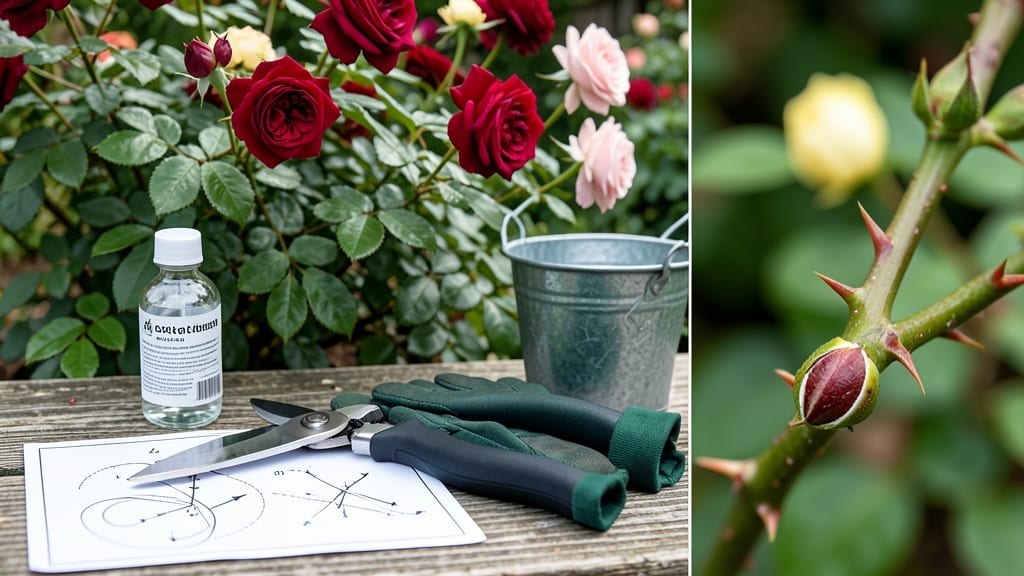
How to cut a rose off a rose bush makes all the difference—do it wrong, and your bush becomes a tangled mess. But after years of trial-and-error snips, I’ve perfected the technique. The secret isn’t just when to cut—it’s how, and I’ll show you exactly where to make that sharp, clean slice for roses that bloom like crazy.
You’ll need just three things: bypass pruners (never dull shears), rubbing alcohol to sterilize them between cuts, and a clear day when the bush isn’t stressed by heat or cold.
Timing matters too—late winter or early spring, right before new growth starts, is ideal. Cutting at the wrong time stresses the plant and invites disease.
Make your cut at a 45-degree angle, about ¼ inch above an outward-facing bud—this directs growth away from the center, keeping the bush open and airy. Avoid cutting too close to the base or leaving stubs; those wounds heal poorly and attract pests.
After pruning, give your roses a light feeding with compost or balanced fertilizer to reward their new energy.
This method works for hybrid teas, floribundas, and even wild roses. The payoff? Fewer dead branches, more blooms, and a bush that looks like it was designed by a pro—not some guesswork. Ready to transform your roses into a showstopper?
📚 In This Guide
- What you need
- Instructions
- Tips and common mistakes
- Wrapping up and next steps
Tips & tricks for pruning roses like a pro
Here's what I've learned after years of trial and error with my own rose bushes—these small details make all the difference between a healthy plant and one that struggles to bloom.
Bud Selection Matters: In Step 1, when choosing which bud to cut back to, look for one that's facing outward and is about the size of a dime. This outward-facing position ensures new growth won't crowd the center of your bush, where airflow is poor and disease thrives. I always scan the entire stem first—sometimes the best bud isn't the first one I see, but the one positioned just above a cluster of leaves.
Tool Sharpness is Non-Negotiable: The instructions mention clean tools, but I can't stress enough how dull shears can crush stems instead of cutting cleanly. Test your shears before you start by cutting a piece of paper—if it tears instead of cleanly slicing, sharpen your blades. I keep a small file in my gardening toolkit just for this purpose. A clean cut heals faster and looks more professional, too.
The 45-Degree Angle Secret: That precise 45-degree angle in Step 2 isn't just about looks—it's about water runoff. When you make this angled cut just above the bud, rainwater will naturally run off the sloping surface instead of pooling at the cut site, which is how most fungal infections start. To get the angle right, I imagine I'm cutting the top of a triangle—about a quarter inch above the bud, angled downward away from the center of the plant.
Post-Pruning Care Pays Off: The 1-2 week window mentioned in Step 4 is when your rose bush is most vulnerable. After pruning, I give my bushes a light feeding with a balanced fertilizer (10-10-10) mixed into the soil around the base. This gives the roots the nutrients they need to support the new growth you've just encouraged. The key is to water deeply right after fertilizing so the nutrients get absorbed quickly.
Pro Tips for Cut A Rose Off A Rose Bush
- Here's what I've learned after years of trial and error with my own rose bushes—these small details make all the difference between a healthy plant and one that struggles to bloom.
- Bud Selection Matters: In Step 1, when choosing which bud to cut back to, look for one that's facing outward and is about the size of a dime.
- Tool Sharpness is Non-Negotiable: The instructions mention clean tools, but I can't stress enough how dull shears can crush stems instead of cutting cleanly.
Frequently asked questions
Got questions about pruning roses? You’re not alone! Here are answers to the most common queries to help you cut roses like a pro—without stressing the plant.
When is the best time to cut roses off a rose bush?
The ideal time is late winter or early spring (before new growth starts) or after blooming (for repeat-flowering varieties). Avoid cutting in fall—it can stimulate tender new growth that won’t survive frost. Pro tip: If you must prune in summer, do it right after a bloom fades to encourage the next flower.
How do I know where to cut a rose stem?
Always cut above a 5-leaflet leaf (where new growth emerges) or a bud eye facing outward. Avoid cutting too close to a bud—leave ¼ inch above it. For dead/diseased stems, cut back to healthy wood (green, not brown/black). Pro tip: Use clean, sharp shears to prevent tearing, which can invite pests.
What if I cut a rose stem in the wrong place?
Don’t panic! A slight miscut won’t kill your rose, but it can slow growth or reduce blooms. If you cut too close to a bud, the stem may die back. If you cut too far, the plant will still recover—just prune again in the next growing season to shape it. Pro tip: Sterilize your shears with rubbing alcohol to avoid spreading disease if you’re making corrections.
Can I propagate the cut rose?
After cutting, strip lower leaves and dip the stem in rooting hormone. Plant it in moist potting mix (or water) and keep it in bright, indirect light. Roots should form in 4–6 weeks. Pro tip: Use a clear container for water propagation—you’ll see roots grow in as little as 2 weeks!
What should I avoid when cutting roses?
Skip these mistakes:
- Pruning in wet weather—it spreads disease.
- Cutting more than ⅓ of the plant at once—it stresses the bush.
- Leaving stubs—always cut cleanly for faster healing.
- Ignoring dead/diseased wood—remove it immediately to protect healthy stems.
Wrapping up and next steps
Cutting roses from your bush doesn’t have to be intimidating—with the right tools and technique, you’ll keep your plants healthy and blooming beautifully! Remember, clean cuts and timing are key to encouraging new growth and preventing disease.
Whether you’re pruning for shape, propagation, or simply harvesting bouquets, your efforts will pay off with stunning, long-lasting blooms.
Now that you’re armed with the know-how, grab those shears and get pruning! 🌹🌿 For even more tips, check out our guide on seasonal rose care to keep your garden thriving year-round.