
Planting
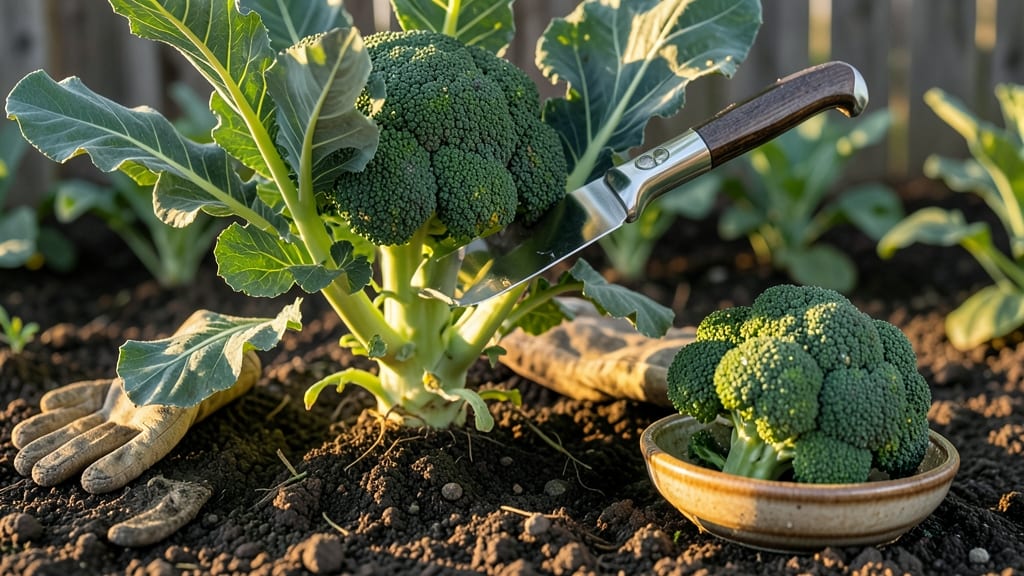
How to cut broccoli off the plant wrong means losing future harvests. ✂️ The right cut keeps your plant productive for weeks, but one wrong snip can send it into decline. I’ve learned the hard way—after chopping stems too close to the base, my plants bolted faster than a summer squash in July. You only need three things: sharp pruners, a steady hand, and a quick eye for timing. Cut the main head when it’s tight and 3-5 inches across, leaving 1-2 inches of stem attached. This stem-on method keeps nutrients flowing to side shoots, giving you 3-5 harvests from one plant instead of just one. The payoff? Crisp, fresh broccoli that stays vibrant for days, plus a plant that keeps producing. Side shoots will form within 2-3 weeks, and with proper care, you’ll harvest 50% more than if you’d cut it clean off. Even better, this technique works for cauliflower, Brussels sprouts, and kale too. Here’s the secret: Never cut into the main stem’s woody center—that’s where new growth starts. A clean, angled cut just below a leaf node is all it takes to keep your broccoli plant thriving all season.
📚 In This Guide
- What you need
- Instructions
- Tips and common mistakes
- Wrapping up and next steps
What you need
- ● Sharp pruning shears or garden scissors: A pair with bypass blades (not anvil-style) for a clean cut. Look for 4- to 6-inch blades for precision.
- ○ Gloves (optional but recommended): Lightweight gardening gloves to protect your hands from thorns or rough stems.
- ● Bucket or harvest basket: A 5-gallon bucket with a lid or a breathable mesh basket to keep harvested broccoli fresh.
- ● Water spray bottle (small): A 16-ounce spray bottle with water to mist the cut stems and keep them hydrated.
- ● Paper towels or clean cloth: For wiping down tools and drying off any dirt or debris before cutting.
- ● Disinfectant (e.g., rubbing alcohol or bleach solution): Wipe down tools between plants to prevent disease spread.
- ● Harvesting knife (small, serrated): For cutting larger stems if pruning shears aren’t available.
- ● Labeling tags or marker: If you’re harvesting from multiple varieties, label your buckets to stay organized!
- ● Cooling pad or insulated bag: For transporting harvested broccoli to keep it crisp longer.
How to cut broccoli off the plant: Step-by-Step harvesting
Here’s how I harvest broccoli for maximum freshness and regrowth—every time.
✂️ Step 1: Wait for the Right Size and Color
Harvest broccoli when the main head reaches 6–8 inches wide and florets are tightly packed but not flowering. The color should be a deep, vibrant green—not yellowing or starting to open. If you wait too long, the buds will bloom into yellow flowers, and the head becomes bitter.
Run your thumb and index finger gently over the florets. If they feel firm and snap cleanly when pinched, they’re ready. Soft or mushy spots mean the head’s past its prime. I always check the underside too—if you see tiny yellow buds forming, harvest immediately.
✂️ Step 2: Cut at the Right Angle and Height
Use a sharp knife or pruning shears to cut the stem 5–7 inches below the head. Angle the cut slightly downward to encourage water runoff and prevent rot. This also leaves enough stem for regrowth—cutting too close to the base removes the plant’s energy source for future side shoots.
Don’t pull or twist the head off. This damages the stem and can uproot the plant. Instead, hold the stem steady with one hand and make a clean cut with the other. A jagged cut invites pests and disease, so keep your blade sharp.
🌱 Step 3: Harvest Side Shoots for Continuous Yield
After cutting the main head, smaller side shoots will form along the stem. These are just as flavorful and can be harvested the same way. Watch for 1-inch buds forming on the sides—these are your next targets. Cut them when they reach 3–4 inches wide, leaving at least 3 inches of stem on the plant.
I like to harvest side shoots every 7–10 days during peak season. This keeps the plant productive and prevents it from diverting energy into flowering too early. If you see yellowing leaves or stunted growth, you’re harvesting too aggressively.
💧 Step 4: Post-Harvest Care for the Plant
After harvesting, water the plant deeply to replenish moisture lost during cutting. Broccoli is heavy on water, especially after a big harvest. Aim for 1–1.5 inches of water per week, more if your soil feels dry to the touch. Avoid overhead watering—wet foliage invites fungal diseases like downy mildew.
Fertilize lightly with a balanced vegetable fertilizer (like 10-10-10) after harvest to encourage regrowth. Too much nitrogen now will promote leafy growth at the expense of new heads. I use about ½ teaspoon per plant mixed into the soil around the base.
⏰ Step 5: Know When to Stop Harvesting
Broccoli plants have a limited harvest window—typically 6–8 weeks after transplanting. If you see the plant producing mostly flowers and seeds instead of new heads, it’s time to let it go. The leaves will turn yellow, and growth will slow dramatically.
At this point, you can either pull the plant and compost it or let it go to seed for next year’s crop. I usually pull mine after the first hard frost, but if I’m lucky, a few late side shoots might still form before winter sets in.
Tips & tricks for perfect broccoli harvesting
Here's what nobody tells you about getting the most from your broccoli plants—these tricks will keep your garden productive all season.
Timing is Everything: Morning is the best time to harvest broccoli because the heads are fully hydrated and firm after a night's rest. If you must harvest later in the day, do it in the early afternoon to avoid stressing the plant. I've noticed that harvesting in the heat can cause the florets to soften faster, making them less crisp and more prone to wilting.
Tool Matters: A sharp knife or pruning shears isn't just about making clean cuts—it's about preserving plant health. Dull blades crush stems, creating entry points for disease. I keep a small pair of pruning shears dedicated solely to harvesting vegetables, and I sharpen them every few harvests. For large plants, a serrated knife works well too, but always make the cut in one smooth motion.
Regrowth Secret: The 5-7 inch cut below the main head isn't arbitrary—it's about balance. Cutting too close to the base removes the plant's energy source for future growth, while cutting too high wastes potential yield. I like to visualize the plant like a tree: leave enough stem to support new shoots, but not so much that it becomes top-heavy. This technique can give you 2-3 harvests per plant if done correctly.
Visual Cues for Readiness: The firm snap test is your best friend when determining harvest readiness. In Step 1, when you pinch a floret and it snaps cleanly with a slight resistance, that's your cue. For side shoots in Step 3, look for buds that are about 1-inch wide—this is when they're most flavorful. I've learned that waiting until buds reach 2-inches often means they'll start flowering before you can harvest them.
Pro Tips for Cut Broccoli Off The Plant
- Here's what nobody tells you about getting the most from your broccoli plants—these tricks will keep your garden productive all season.
- Timing is Everything: Morning is the best time to harvest broccoli because the heads are fully hydrated and firm after a night's rest.
- Tool Matters: A sharp knife or pruning shears isn't just about making clean cuts—it's about preserving plant health.
Frequently asked questions
Got questions about harvesting broccoli like a pro? Here are some common ones—and their easy answers!
When is the best time to harvest broccoli?
Harvest broccoli when the main head is firm, tight, and 4–8 inches wide—before the buds start opening into tiny yellow flowers. For side shoots (baby broccoli), wait until they’re 2–3 inches wide after the main harvest. Morning harvests keep your crop fresher longer!
Do I need special tools to cut broccoli?
Nope! Use clean, sharp pruners, kitchen shears, or even a sharp knife—just avoid tearing the stem. For large plants, a pruning saw works for thick stalks. Sterilize tools with rubbing alcohol to prevent disease.
What do I do with the stem after cutting?
The stem is edible and delicious! Peel the outer layer, chop it, and sauté, roast, or add to soups. If you’re not using it, trim the stem just above a leaf node to encourage new side shoots to grow.
How often should I harvest broccoli?
Check your plants every 2–3 days during peak harvest season. Main heads take 7–10 days to mature, while side shoots can regrow in 4–6 weeks if you keep trimming. Overlooking harvests can lead to bitter, woody florets!
What if my broccoli turns yellow or bitter?
Yellowing florets mean it’s overripe—harvest sooner next time! Bitter broccoli often signals heat stress or drought. Water deeply 1–2 inches per week and mulch to keep roots cool. If pests like cabbage worms are the issue, handpick them or use row covers.
Wrapping up and next steps
Mastering the art of stem-on broccoli harvesting ensures your garden’s bounty stays fresh and flavorful—plus, it’s a game-changer for your meals! 🌱 With the right tools, timing, and technique, you’ll enjoy crisp, vibrant broccoli heads straight from your plant.
Now that you’re equipped with the know-how, why not share the harvest? Invite friends over for a homegrown feast or experiment with creative recipes like roasted broccoli stems or stir-fries. Your next step? Plant another batch! Happy growing! 🌟