
Lawn
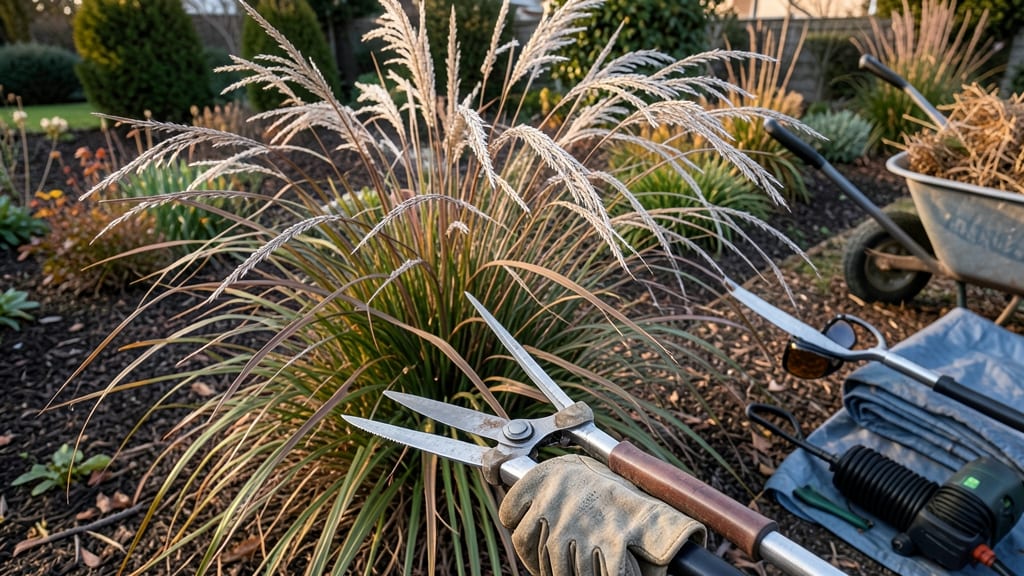
How to cut down ornamental grass can turn a tangled mess into a polished garden feature—if you do it right. ✂️ I’ve transformed my overgrown maiden grass from a wild tangle into a sharp-edged showpiece by mastering the right timing and technique—here’s how to avoid the same mistakes I made.
The key is sharp tools and seasonal timing. Use hedge shears for fine grasses like fountain grass or string trimmers for thicker varieties like pampas. Cut in late winter or early spring before new growth starts—never when the grass is frozen or dormant.
Different grasses need different heights: leave 12–18 inches for fountain grass, 18–24 inches for maiden grass, and 3–6 inches for low-growing types like blue fescue.
After cutting, rake up debris to prevent disease and fire hazards—dry grass is a tinderbox. For fountain grass, bundle and compost the clippings; maiden grass can be left as mulch. The result? Clean lines, healthier regrowth, and a garden that stays tidy without sacrificing texture.
Pro tip: Wear gloves and eye protection—ornamental grass blades are razor-sharp. And if your grass looks ragged after cutting, you’re either using dull tools or cutting at the wrong time. Here’s how to fix it before it’s too late.
📚 In This Guide
- What you need
- Instructions
- Tips and common mistakes
- Wrapping up and next steps
What you need
- ● Heavy-duty pruners or loppers – Opt for bypass pruners (for clean cuts) or anvil pruners (for tougher stems). Choose a pair with 4-6 inch blades for precision.
- ● Hedge shears – Long-handled (24-36 inches) for taller varieties like Miscanthus or Pennisetum. Look for sharp, serrated edges to avoid crushing stems.
- ● Pruning saw – A curved-tooth saw (like a Felco or Fiskars) for thick, woody bases that pruners can’t handle.
- ● Gloves – Heavy-duty gardening gloves (e.g., Mechanix or Crucial) to protect against sharp edges and thorns.
- ● Ladder or step stool – If your grass exceeds 5-6 feet tall, a stable, extendable ladder (or a foldable step stool) is a must.
- ● Sharp pruning knife – A carbon steel blade (like a Felco pruning knife) for detail work on smaller clumps.
- ○ Disinfectant (optional but recommended) – 70% isopropyl alcohol or a bleach solution (1 part bleach : 9 parts water) to sterilize tools between cuts and prevent disease spread.
- ● Long-sleeved shirt and pants – Protects against scratches and sun exposure.
- ● Knee pads – If you’re working close to the ground for extended periods.
- ● Pruning rope or twine – To temporarily tie back thick clumps before cutting.
- ● Trash bags or compost bin – For disposing of debris (or repurposing it as mulch!).
- ● Safety glasses – Especially useful if your grass has sharp seed heads (like Stipa or Panicum).
Step-by-step guide to cutting down ornamental grass properly
Here's how I trim ornamental grasses for a clean finish—no ragged stems or messy clumps.
✂️ Step 1: Time Your Cut for Seasonal Health
Cut ornamental grasses in late winter or early spring before new growth begins—typically February to March in most climates. This timing prevents damaging emerging buds and gives the plant a strong start for the season. I always wait until after the first hard frost has passed, as grasses are more dormant and resilient then.
For warm-climate grasses that grow year-round, trim in late winter when growth slows naturally. Never cut back healthy foliage in fall or winter—this removes insulation and protection during dormancy. Watch for new shoots at the base as your signal it's safe to cut.
🪴 Step 2: Gather Tools and Prepare the Workspace
Use sharp, clean pruners or hedge shears—dull blades tear stems and create ragged ends. I prefer bypass pruners for clean cuts on thicker stems. Lay down a tarp or old sheet to collect clippings and protect surrounding plants from debris.
Wear gloves to protect your hands from sharp blades and any potential thorns on some varieties. Check the weather forecast—cutting on a calm, dry day prevents clippings from sticking to wet grass or blowing everywhere. A small broom helps sweep up stray stems afterward.
✂️ Step 3: Trim to the Right Height for Each Type
For clumping grasses, cut back to 2-3 inches above the ground—this leaves enough protection for the crown while encouraging fresh growth. I like to make clean, straight cuts with my pruners, avoiding jagged lines that look unkempt. For spreading grasses, trim to 3-4 inches to maintain density.
Never remove more than one-third of the plant in a single cut—this stresses the grass and can lead to dieback. If your grass looks woody or overgrown, cut it back in stages over two years to avoid shock. You'll know you've cut correctly when you see healthy green growth emerging within 2-4 weeks.
🌿 Step 4: Clean Up and Maintain for Next Season
Remove all clippings from the area immediately—leaving old stems can harbor pests or diseases. I gather them into the tarp and compost them later, unless they're diseased, in which case I dispose of them in the trash. Rake the soil surface lightly to remove any stray debris.
Fertilize lightly in early spring with a balanced, slow-release fertilizer to encourage new growth. Water deeply after cutting to help the plant recover, especially if you've trimmed it back significantly. Mark your calendar to repeat the process next year—consistent timing keeps your grasses looking sharp.
⏰ Step 5: Handle Special Cases Like Seed-Heads and Clumping Varieties
For grasses with showy seed-heads (like Miscanthus or Pampas grass), leave them intact until they turn brown—this adds winter interest. Once they're fully dried, cut them back to the base. If you prefer a neater look, trim seed-heads in late fall before they spread.
For clumping varieties like Blue Fescue or Maiden Grass, I often spot-trim throughout the year to maintain shape. Use hand pruners for precision cuts, especially around walkways or garden edges. Always step back and check your work—you'll notice uneven areas that need adjustment.
Tips & tricks for perfect ornamental grass trimming
Common pitfalls—and how to sidestep every one when shaping ornamental grasses for a polished look.
Seasonal Timing Secret: The late winter to early spring window (February to March) is non-negotiable for most grasses. I've learned this the hard way—cutting too early in winter can damage emerging buds, while waiting too long risks losing that clean, fresh look. For warm-climate varieties, focus on late winter when growth naturally slows. Pro tip: Wait until you see those first green shoots at the base—it's your cue that the plant is ready for a haircut.
Tool Selection Matters: Your pruners aren't just tools—they're your partners in crime for clean cuts. I swear by bypass pruners for their scissor-like action that creates smooth, even cuts without crushing stems. For thicker stalks, consider a pair of hedge shears. And here's what nobody tells you—always clean your blades with rubbing alcohol before and after use. Old sap and plant residue can dull blades faster than you'd think, leading to those unsightly jagged edges.
Height Precision Technique: When trimming clumping grasses to 2-3 inches, I use a simple trick: hold your pruners at a 45-degree angle to create a slight bevel. This prevents water from pooling on the cut surface, reducing disease risk. For spreading varieties at 3-4 inches, I mark the height with a small stake driven into the ground—it's a visual guide that saves me from eyeballing it every time. And remember, never cut more than one-third of the plant in one session unless you're dealing with a severely overgrown specimen.
Spot-Trimming Strategy: For clumping varieties like Blue Fescue, I've developed a year-round maintenance routine. Every 6-8 weeks, I do a quick visual sweep and trim any stems that have grown beyond the desired shape. This prevents the "wild" look that comes from waiting until spring. I always work from the outside in, shaping the edges first before moving to the center. It's like giving your grass a haircut—you want to frame the face before working on the details.
Pro Tips for Cut Down Ornamental Grass
- Common pitfalls—and how to sidestep every one when shaping ornamental grasses for a polished look.
- Seasonal Timing Secret: The late winter to early spring window (February to March) is non-negotiable for most grasses.
- Tool Selection Matters: Your pruners aren't just tools—they're your partners in crime for clean cuts.
Frequently asked questions
Got questions about trimming your ornamental grass? You’re not alone!
Here are answers to the most common concerns—from timing to tools and everything in between.
When is the best time to cut down ornamental grass?
The ideal time depends on your grass type! For most ornamental grasses, late winter or early spring (just before new growth starts) is best. If you’re cutting back after blooming, wait until late fall or early winter to avoid disturbing winter interest. Pro tip: Never cut more than ⅓ of the plant’s height at once!
Can I cut ornamental grass in winter? What if it’s frozen?
Yes, but timing matters! Cut back before a hard freeze (when temps drop below 20°F/-7°C) to avoid damaging tender new growth. If your grass is frozen solid, wait until it thaws—cutting frozen stems can tear them unevenly. Warning: Avoid cutting in deep winter if your grass provides winter structure (like seed heads).
What if my ornamental grass looks ragged after cutting?
Ragged stems usually mean you used dull blades or cut at the wrong angle. Fix it: Sharpen your shears or use clean, sharp pruners for a crisp cut. For thick clumps, use hedge shears or a string trimmer with a fine blade. Pro tip: Cut at a 45° angle for a cleaner look!
Should I cut ornamental grass all the way to the ground?
Not always! Many grasses (like fountain grass or maiden grass) benefit from leaving 2–4 inches of stem for winter protection and regrowth. Only cut to the ground if your grass is dead or diseased. Exception: Some grasses (e.g., Pennisetum) can be cut back aggressively in early spring for a fresh start.
What’s a good alternative if I don’t want to cut it down?
If you love the winter texture, skip cutting entirely! Let seed heads and stems stand for wildlife (birds love them!) or artistic appeal. For overgrown grasses, thin out instead of cutting—remove only the oldest, woody stems in late winter. Bonus: Tied-up grasses make stunning dried arrangements!
Wrapping up and next steps
Cutting down ornamental grass doesn’t have to be a daunting task—just follow the right steps, and you’ll keep your yard looking neat, healthy, and stunning! 🌿 Whether you’re trimming for aesthetics, maintenance, or even harvesting, using sharp tools and proper timing ensures clean cuts and prevents unsightly ragged stems.
Now that you’re armed with the know-how, grab your shears, and give your ornamental grass the care it deserves.
Ready to tackle the job? Start small—pick a section, practice your technique, and soon you’ll be a pro! For extra flair, experiment with different heights or shapes to match your garden’s style. Happy pruning! ✂️