
Planting
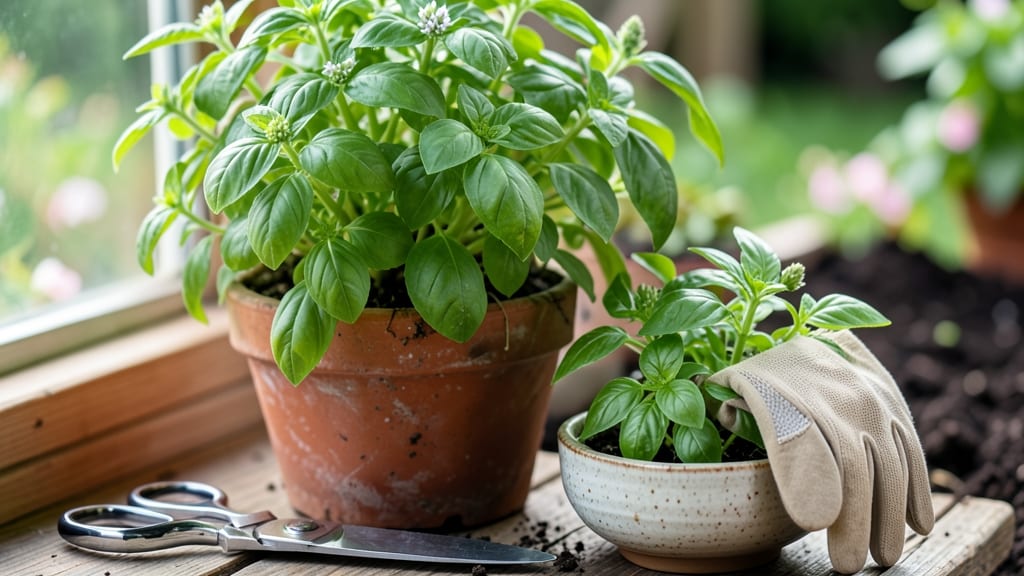
Cutting how to cut fresh basil off the plant properly keeps your plant thriving—and your kitchen stocked. ✂️ I learned the hard way that snipping wrong stunts growth or invites disease, but mastering this simple technique ensures bushier plants with more leaves all season.
The secret lies in where and how you cut, not just when.
You’ll need sharp pruning shears (or clean scissors) and a steady hand—no jagged cuts allowed. Aim for the stem just above a leaf node (that little bump where leaves grow), always cutting at a 45-degree angle.
This prevents water from pooling and keeps the plant healthy. Timing matters too: harvest in the morning after dew dries but before the sun peaks.
After each cut, your basil will reward you with lush new growth within days. The plant focuses energy on filling out rather than bolting (that sad, flower-stalked decline). Pinch off any flowers that appear—they signal the plant to stop producing leaves and start seeding.
With proper care, a single plant can yield pounds of basil over a season.
Common mistakes? Cutting too close to the base or using dull tools. Both stress the plant and slow regrowth. If you see yellow leaves, trim those first—they’re a sign of overwatering or disease.
For maximum yield, harvest regularly (every 2-3 weeks) but never take more than one-third of the plant at once.
📚 In This Guide
- What you need
- Instructions
- Tips and common mistakes
- Wrapping up and next steps
What you need
- ● Clean, sharp pruning shears or scissors – Choose sterilized tools (rubbing alcohol wipe works!) to avoid spreading disease. Size: Small-handled (3–4 inches) for precision.
- ● Fresh basil plant – Mature enough with at least 6–8 inches of growth (young plants need time to recover). Look for healthy, bushy stems with 4+ true leaves per stem.
- ● Container or bowl – For holding harvested leaves (preferably chilled if storing for later use).
- ○ Water spray bottle (optional but helpful) – To mist leaves post-harvest if using them immediately in recipes.
- ● Gloves – If your basil has thorns or you’re sensitive to sap.
- ● Labeling tags – To mark harvest dates if tracking regrowth.
- ● Plastic wrap or beeswax wrap – For temporary storage (up to 3 days in the fridge).
- ● Garden twine or rubber bands – To secure stems if you’re bundling basil for gifting.
Step-by-Step instructions for harvesting basil without killing the plant
Here's how I harvest basil so it keeps growing lush and productive all season.
✂️ Step 1: Wait for the Right Time to Harvest
Harvest basil only when the plant has at least 6-8 inches of height and 4-6 true leaves—this ensures it has enough energy to regrow. You'll know it's ready when the stems feel sturdy and the leaves are fully unfurled. I always check for new growth at the base before cutting, because that's your plant's signal it's ready to give back.
Never harvest from a young plant—you'll stunt its growth permanently. If you're unsure, pinch off just 1-2 leaves as a test. If the plant recovers within a week, it's ready for full harvests.
✂️ Step 2: Use the Right Cutting Technique
Cut the stems just above a leaf node (the point where leaves attach to the stem) using clean, sharp scissors or pruning shears. This encourages new growth from that node. I angle my cuts slightly—about 45 degrees—to prevent water from pooling on the stem, which could rot it.
Never pull leaves off by hand, even if they're at the top. This damages the stem and weakens the plant. For larger harvests, cut 1/3 of the plant at a time, leaving enough foliage to keep photosynthesizing. This keeps your basil thriving between harvests.
✂️ Step 3: Encourage Bushier Growth After Cutting
After harvesting, pinch off any flower buds that appear—these signal the end of the plant's life cycle. Flowers make basil taste bitter and reduce regrowth. I check for buds every 2-3 weeks and snip them immediately with fingernails or small scissors.
Water the plant deeply after harvesting to help it recover. Stick your finger 1 inch into the soil—if it feels dry, water until moisture reaches that depth. Avoid overhead watering, as wet leaves can attract pests. A morning watering gives leaves time to dry before evening.
☀️ Step 4: Maintain Light and Fertility for Regrowth
Place your basil in bright, indirect light (like a south-facing window) for 6+ hours daily. If leaves start looking pale or leggy, it needs more light. I rotate my pots a quarter turn weekly so the plant grows evenly toward the light source.
Feed the plant with a balanced liquid fertilizer (like 10-10-10) every 4-6 weeks during the growing season. Dilute it to half-strength—too much fertilizer burns roots. You'll see new leaves emerging within 7-10 days if the plant is happy.
⏰ Step 5: Repeat Harvests for Continuous Yield
Harvest basil every 2-3 weeks using the same cutting technique. This keeps the plant compact and productive. Watch for new growth at the base—this means your plant is recovering well. If you see yellowing leaves, it's a sign of overharvesting or underwatering.
In late summer, basil often slows down. This is normal—it's preparing for dormancy. Reduce harvests and keep the soil moist. With proper care, your plant will bounce back in spring, ready for another growing season.
Tips & tricks for perfect basil harvesting
These simple strategies will help you keep your basil thriving between harvests.
Timing is Everything: In Step 1, when checking for new growth at the base, look for leaves that are fully unfurled and about 2 inches long. These are your plant's energy reserves for regrowth. I've learned the hard way—harvesting too early means your plant will struggle to recover, and you'll end up with sparse, leggy growth.
The Cutting Angle Matters: That 45-degree angle in Step 2 isn't just for looks—it prevents water from pooling on the stem after cutting. I use a small pair of kitchen scissors for this because they give me better control than pruning shears. If you're using shears, make sure they're clean and sharp to avoid crushing the stem.
Flower Buds Are the Enemy: In Step 3, when you spot those tiny flower buds, remove them immediately. I check my plants every 2-3 weeks because once flowers appear, the plant's energy shifts from leaf production to seed production. This means your basil will taste bitter and stop growing new leaves. Think of it like pulling weeds—consistent maintenance pays off.
Light and Water Balance: For Step 4, if your basil starts looking pale or stretched, it's begging for more light. I rotate my pots weekly because basil grows toward the light source, and you don't want lopsided plants. Morning watering is key—it gives leaves time to dry before evening, which prevents fungal issues. I've seen basil plants go from thriving to wilted in days when watered at night.
Pro Tips for Cut Fresh Basil Off Plant
- These simple strategies will help you keep your basil thriving between harvests.
- Timing is Everything: In Step 1, when checking for new growth at the base, look for leaves that are fully unfurled and about 2 inches long.
- The Cutting Angle Matters: That 45-degree angle in Step 2 isn't just for looks—it prevents water from pooling on the stem after cutting.
Frequently asked questions
Got more questions about harvesting basil like a pro? Here are answers to the most common ones to keep your plant thriving!
How often can I cut basil without harming the plant?
You can harvest basil every 2–3 weeks once it’s established (about 6–8 weeks after planting). For continuous growth, trim no more than one-third of the plant at a time. Regular pruning encourages bushier, more productive growth—just avoid over-harvesting in extreme heat or drought.
What’s the best time of day to cut basil?
Harvest basil in the morning after the dew has dried but before the sun peaks (around 8–10 AM). This ensures the leaves are hydrated and packed with flavor. Avoid cutting after heavy rain or late in the day, as leaves may wilt faster or attract pests.
Can I use scissors instead of pruning shears?
Yes! Scissors work fine for small batches, but sterilize them first with rubbing alcohol to prevent disease. For larger plants, pruning shears give cleaner cuts and reduce damage. Just avoid crushing stems—this can block water flow and stress the plant.
What if my basil turns yellow after cutting?
Yellowing leaves after pruning usually mean over-trimming or poor recovery conditions. Let the plant rest for a week, ensure it gets 6+ hours of sunlight, and water at the soil level (not the leaves). If yellowing persists, check for pests or nutrient deficiencies (like nitrogen) and adjust care accordingly.
Can I save basil stems for regrowth if I don’t use them immediately?
Store stems in a glass of water like flowers, covered with a plastic bag (loosely tied) in the fridge for 3–5 days. For longer storage, chop leaves, pat dry, and freeze in ice cube trays with water or olive oil. Avoid wilting by harvesting only what you’ll use within a few days.
Wrapping up and next steps
Cutting fresh basil from your plant doesn’t have to be intimidating—with the right technique, you’ll enjoy bountiful regrowth and flavorful harvests for months!
Now that you’re a basil-cutting pro, put your skills to work! Try experimenting with different recipes—homemade pesto, infused oils, or even basil-infused lemonade. Your kitchen (and plants) will thank you! 🌿✨