
Planting
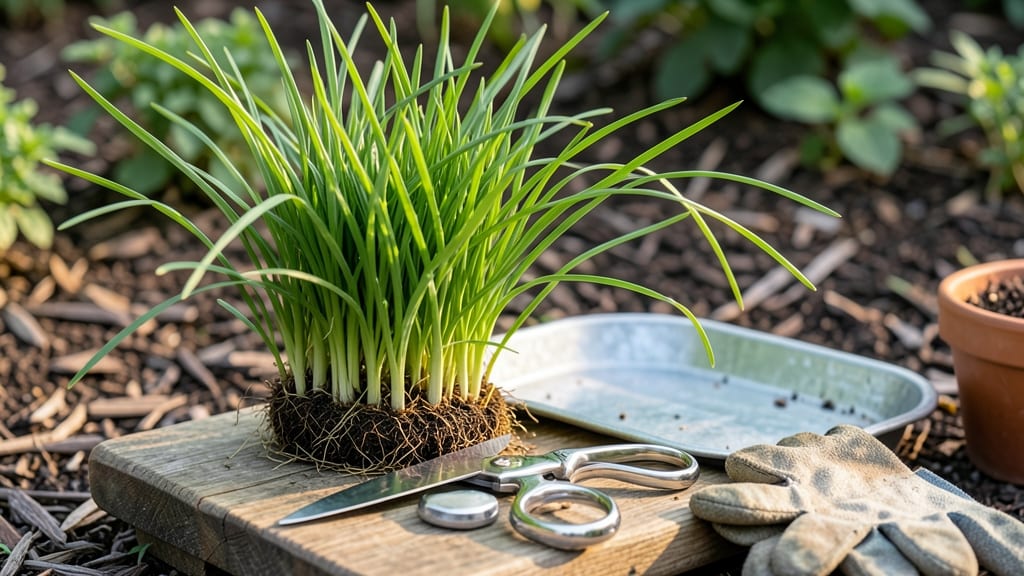
Cutting lemongrass wrong can kill your plant—but I’ve perfected the knife technique that keeps mine thriving for years. 🌿 The secret isn’t just where to cut—it’s how to make the cleanest slice possible without damaging the core.
Most people overthink it, but this method takes less than a minute and gives you fresh stems and regrowth.
You’ll need just three things: a sharp chef’s knife (or pruners), a clean cutting board, and a spray bottle of water. Always cut 1-2 inches above the ground, at a slight angle, to prevent water pooling.
Never trim more than one-third of the stalks at once—this keeps the plant strong enough to bounce back within 2-3 weeks.
The payoff? Thicker, more flavorful regrowth—and you’ll have fresh lemongrass for cooking whenever you need it. I harvest mine every 4-6 weeks, and the plant just keeps growing back stronger. The key is patience: rush it, and you’ll stunt the plant’s ability to recover.
Pro tip: If your lemongrass starts looking leggy, trim the outer stalks first—this encourages new shoots to sprout from the center. And always disinfect your knife between cuts to avoid spreading disease. Now go harvest like a pro!
📚 In This Guide
- What you need
- Instructions
- Tips and common mistakes
- Wrapping up and next steps
What you need
- ● Lemongrass plant: A healthy, mature plant (at least 12–18 inches tall) with firm, green stalks.
- ● Sharp chef’s knife or pruning shears: A serrated or stainless-steel blade (4–6 inches long) works best for clean cuts.
- ● Cutting board or stable surface: A thick wooden or plastic board (12x18 inches) to protect your countertop.
- ● Ruler or measuring tape: For precision—aim to cut stalks at 3–5 inches from the base (or as needed for recipes).
- ○ Clean water and a bowl: To rinse and store the cut stems (optional but helpful for freshness).
- ○ Gloves (optional but recommended): Protect your hands from lemongrass sap (can irritate skin).
- ● Plastic wrap or damp paper towels: To wrap and store cut stalks in the fridge (lasts 5–7 days).
- ● Food processor or mortar & pestle: For grinding lemongrass into paste (great for curries or marinades!).
- ● Ziploc bags: For vacuum-sealing fresh lemongrass (extends shelf life to 2+ weeks).
- ● Plant markers or labels: If you’re propagating cuttings, label them to track growth.
- ● Antibacterial soap: To clean your cutting tools before and after use.
Step-by-Step instructions for harvesting lemongrass properly
Here’s how to harvest lemongrass like a pro—keeping your plant healthy while getting the freshest stems.
✂️ Step 1: Identify and Prepare the Stems
Look for stalks that are at least 12-18 inches tall with a diameter of ½ inch or thicker. These are mature enough for harvest but still young enough to be tender. Avoid cutting the very center stalk first—this can weaken the plant. Instead, focus on the outer stalks, which regrow faster.
Grab a sharp chef’s knife or pruning shears. Hold the stalk firmly at the base where it meets the soil. A clean cut prevents bruising and invites faster regrowth. I like to make a 45-degree angle just above a leaf node—this encourages new shoots to sprout from that spot.
🌱 Step 2: Cut at the Right Height and Angle
Slice the stalk 1-2 inches above the soil line—never at ground level. Cutting too low risks exposing the base to rot or pests. The 45-degree angle you made earlier helps water run off the cut, keeping the base dry. If you’re harvesting multiple stalks, space cuts evenly around the plant to maintain balance.
Here’s the thing—never cut more than one-third of the stalks at once. Lemongrass is resilient, but over-harvesting stresses the plant. If you need more than that, wait 4-6 weeks for regrowth. You’ll know you’ve overdone it if the center stalk collapses or new growth stalls.
🌿 Step 3: Process and Store the Harvested Stems
Strip off the tough lower leaves and outer sheaths immediately after cutting. Use your fingers to peel them away—this exposes the tender, fragrant white stalk beneath. Save the lower leaves for stocks or compost; they’re packed with flavor but too fibrous for most recipes. Trim the top 2-3 inches of the stalk if it’s woody or discolored.
For short-term use, store the stalks in a sealed plastic bag in the fridge. They’ll stay fresh for up to 2 weeks. For long-term storage, freeze the stalks whole or finely chopped in ice cube trays with water. Thawed cubes work perfectly in soups and marinades—no waste, all flavor.
⏰ Step 4: Encourage Regrowth and Maintain Health
After harvesting, water the plant deeply to compensate for the loss of foliage. Lemongrass thrives in well-draining soil with partial sun (4-6 hours daily). If your plant is in a pot, check for root-bound conditions—if roots circle the bottom, repot it into a larger container (12-18 inches wide) with fresh potting mix.
Fertilize lightly with a balanced liquid fertilizer (10-10-10) every 6-8 weeks during the growing season. You’ll see new shoots emerge within 3-4 weeks of a proper harvest. If your plant produces flower stalks, snip them off immediately—they signal the end of the plant’s productive life. Keeping lemongrass in bloom-free mode ensures a steady supply of fresh stems.
Tips & tricks for perfect lemongrass harvesting
Real talk: Harvesting lemongrass properly means the difference between fragrant, tender stems and tough, flavorless stalks. Here’s what nobody tells you—these tricks will keep your plant thriving while maximizing flavor.
Knife Technique: That 45-degree angle in Step 1 isn’t just for looks—it’s about precision. Angle your knife slightly upward as you cut to avoid crushing the stem’s base. I learned this the hard way after ruining three batches with jagged cuts that bruised the plant. Use a sharp chef’s knife (never dull scissors) and make one smooth motion. For extra control, hold the stalk with your non-dominant hand while cutting with your dominant hand—this gives you better leverage and cleaner cuts.
Regrowth Strategy: The "one-third rule" in Step 2 is non-negotiable. When you harvest more than that, you’re essentially telling your plant to go into survival mode. I’ve seen lemongrass plants recover from light harvesting, but aggressive cutting leads to stunted growth or even death. If you need more than one-third, space your harvests 4-6 weeks apart—this gives the plant time to regenerate its energy reserves. Watch for new shoots emerging from the base; these are your green light that regrowth is underway.
Storage Hack: That 2-week fridge life in Step 3 is only if you prep the stems right. After cutting, immediately wrap the stalks in a damp paper towel inside your sealed plastic bag. The moisture mimics the plant’s natural environment and keeps the stalks crisp for days longer. For freezing, chop the stalks into 2-inch pieces before making ice cubes—this makes them easier to handle when thawed. Pro tip: Label your freezer bags with the date; lemongrass stays viable for up to 6 months in the freezer when stored properly.
Flower Stalk Alert: If your plant produces flower stalks, snip them off immediately—they’re a clear signal your lemongrass is shifting its energy from growth to reproduction. I’ve seen plants go from productive to nearly dead within months after flowering. Keep your lemongrass in bloom-free mode by harvesting regularly and providing optimal growing conditions. The 4-6 hours of partial sun mentioned in Step 4 is critical; too much direct sun stresses the plant, making it more likely to flower prematurely.
Pro Tips for Cut Lemongrass Plant
- Real talk: Harvesting lemongrass properly means the difference between fragrant, tender stems and tough, flavorless stalks.
- Knife Technique: That 45-degree angle in Step 1 isn’t just for looks—it’s about precision.
- Regrowth Strategy: The "one-third rule" in Step 2 is non-negotiable.
Frequently asked questions
Got questions about cutting lemongrass? You’re not alone! Here are answers to the most common concerns—so you can harvest like a pro without stress.
When is the best time to cut lemongrass?
Harvest lemongrass when it’s mature but still tender—about 12–18 months old. The stalks should be 12–18 inches tall, with a diameter of ½ inch or thicker. Early morning is ideal, as the oils are most potent and the plant is hydrated.
How close to the ground should I cut lemongrass?
Leave 2–3 inches of stubble above the soil to encourage regrowth. Cutting too low can stress the plant or invite pests. If you accidentally cut too short, don’t worry—lemongrass is resilient and will bounce back with proper care!
Can I cut lemongrass from a potted plant?
Potted lemongrass grows just like in-ground plants. Just ensure the pot has drainage holes and is at least 12 inches deep. After cutting, fertilize lightly to support regrowth. Over time, you can even propagate the cuttings in water!
How often can I harvest lemongrass?
With proper care, you can harvest every 3–4 months from the same plant. Avoid over-cutting—never take more than ⅓ of the stalks at once. This balance keeps your plant healthy and productive for years.
What if my lemongrass turns yellow or wilt after cutting?
Yellowing or wilting can mean over-cutting or underwatering. Trim back aggressively next time, water deeply, and fertilize with a balanced plant food. If the soil feels dry, mulch around the base to retain moisture. Most plants recover within a few weeks!
Can I use a serrated knife instead of a chef’s knife?
Yes! A serrated knife works well for thicker stalks, but a sharp chef’s knife is still best for precision. If using serrated, angle the blade slightly to avoid crushing the fibers. Just ensure the blade is clean to prevent bacterial buildup.
Wrapping up and next steps
Cutting your lemongrass plant doesn’t have to be intimidating—with the right techniques, you’ll harvest fresh, fragrant stems like a pro! Remember to use a sharp knife, target the lower third of the stalk, and always leave the top third intact to encourage regrowth.
Whether you’re prepping for cooking or pruning for health, your efforts will reward you with plenty of culinary versatility and a thriving plant.
Now that you’re ready to harvest, why not explore creative ways to use lemongrass in your kitchen? From zesty teas to flavorful dishes, the possibilities are endless—happy cutting! 🌱✨