
Propagation
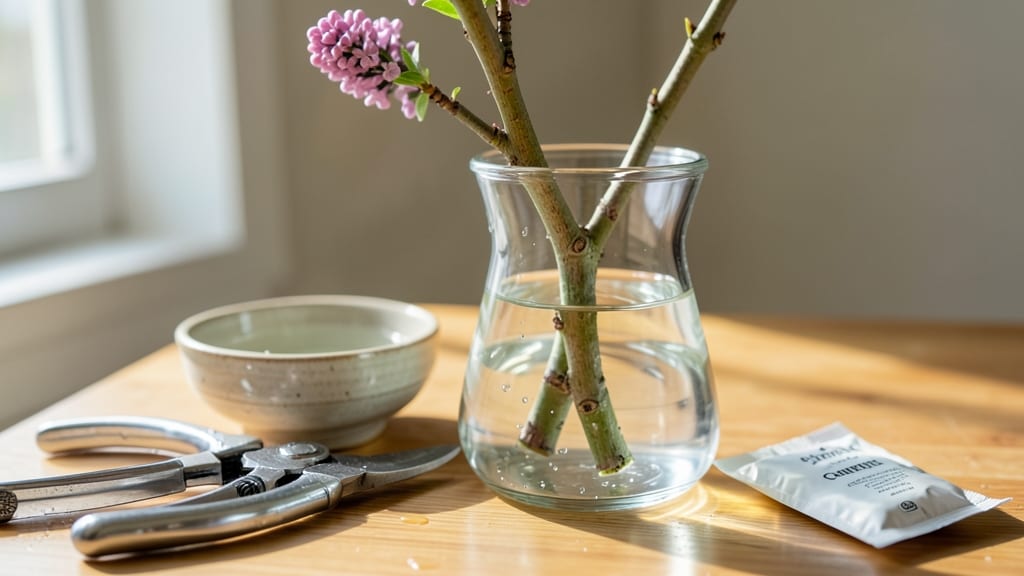
Nothing beats the scent of fresh-cut lilacs—until they wilt in 24 hours. 🌸 I’ve lost count of how many bouquets I’ve watched droop overnight, but this sugar water trick keeps them vibrant for 5-7 days (or longer with proper care).
The secret isn’t just water—it’s the science of feeding stems the right way.
Start by giving stems a fresh cut at a 45-degree angle to maximize water uptake, then clean the vase thoroughly to avoid bacteria. Most people skip this step, but it’s the difference between wilting and lasting blooms.
Add a mix of 1 teaspoon sugar and a pinch of bleach per quart of water to fuel the flowers and prevent mold.
Place your lilacs in a cool spot away from direct sunlight or heat sources—like a kitchen counter instead of a sunny windowsill. Change the water every 2 days, and you’ll see stems stay crisp and petals hold their color.
The sugar feeds them, while the bleach keeps the water fresh longer.
For extra longevity, trim stems again after a day or two to encourage new water uptake. If you notice leaves turning yellow or water getting cloudy, that’s your cue to refresh everything. This method works for any cut flowers, but lilacs—with their delicate petals—respond especially well.
📚 In This Guide
- What you need
- Instructions
- Tips and common mistakes
- Wrapping up and next steps
What you need
- ● Freshly cut lilac stems – Harvest in the early morning for peak freshness (3-6 stems per bouquet).
- ● Sharp pruning shears or clean scissors – Why? Ragged cuts shorten vase life.
- ● Clean vase or container – Glass, ceramic, or even a repurposed jar works (minimum 1-inch diameter per stem).
- ● Room-temperature water – 1 cup per 3 stems (e.g., 3 cups for 9 stems).
- ● White granulated sugar – 2 teaspoons per cup of water (e.g., 6 tsp for 3 cups).
- ○ Optional floral preservative – 1 tsp per cup of water (e.g., blank">FloraLife or blank">Chrysal Clear).
- ● Bleach or hydrogen peroxide – 1/8 tsp per cup of water (sanitizes water to prevent bacteria).
- ● Food coloring (white or pale pink) – 2-3 drops to tint stems subtly.
- ● Aluminum foil or plastic wrap – For emergency stem recutting (see tips!).
- ● Small knife or razor blade – For clean, angled cuts (1/2 inch from the base).
- ● Cooling water bath – Ice cubes or a bowl of cold water to chill stems before arranging.
Step-by-Step instructions for preserving cut lilacs with a sugar water soak
Here’s my foolproof method for keeping cut lilacs fresh for days—no more drooping blooms mid-arrangement.
💧 Step 1: Prepare the Sugar Water Solution
Fill a clean vase with 1 cup warm water (never hot—it kills stems). Add 1 tablespoon white granulated sugar and stir until fully dissolved. The sugar feeds the stems, extending their life by slowing bacterial growth. I like to use a narrow vase because lilacs have small stems that need tight contact with the water.
Add a drop of bleach or a commercial floral preservative to prevent cloudiness. This keeps the water clean longer, which is critical since lilacs are heavy drinkers. If you’re using a fresh vase, no need to rinse—just add the solution directly.
✂️ Step 2: Trim Stems at an Angle
Hold each lilac stem and make a clean cut at a 45-degree angle about 2 inches from the base. This increases water uptake surface area, so the stems absorb more solution. Use sharp scissors or pruners—dull blades crush stems, blocking water flow and causing wilting within hours.
Remove any leaves that would sit below the waterline. Submerged foliage rots quickly, turning the water murky and shortening vase life. Lilacs are delicate, so handle them gently—don’t bend or bruise the stems.
🌿 Step 3: Soak Stems Immediately Before Arranging
Place trimmed lilacs in the sugar water solution and let them soak for at least 4 hours (overnight is even better). This rehydrates the stems after cutting and primes them for longer vase life. I like to do this in the evening so they’re fully hydrated by morning arrangements.
Check the water level before arranging—it should cover at least 2 inches of stem. If stems dry out before arranging, they’ll wilt faster. Keep the vase out of direct sunlight during the soak to prevent overheating.
☀️ Step 4: Arrange and Refresh Daily
Transfer the soaked lilacs to your final vase, adding fresh sugar water solution. Place them in a spot with bright, indirect light—direct sun heats the water too quickly, causing stems to wilt. A cool kitchen counter or bathroom is ideal.
Change the water every 2-3 days and trim stems again at a fresh angle. This prevents bacterial buildup and keeps the blooms perky. Lilacs are thirsty, so top off the water daily if it drops below the stem line.
⏰ Step 5: Extend Life with Evening Care
For maximum freshness, give lilacs a 10-minute cold treatment each night. Wrap the vase in a damp towel and place it in the fridge (not freezer) for 10 minutes. This slows respiration and keeps blooms tight. Remove before bringing out in the morning.
Mist the blooms lightly with water if they start to droop mid-day. Lilacs respond well to humidity, so a quick spray revives them instantly. Avoid over-misting—wet petals encourage mold.
Tips & tricks for perfect lilac preservation
Here's what nobody tells you about keeping your lilacs looking fresh for days—these little tricks make all the difference.
Soak Timing Secret: The 4-hour minimum soak in Step 3 is non-negotiable, but here's the thing: if you're short on time, you can extend it to overnight for maximum hydration. I've found that stems soaked overnight actually hold up better during the cold treatment in Step 5—it's like giving them a second wind. Just make sure your vase stays out of direct sunlight during the soak, even overnight.
Angle Precision: When you're trimming those stems at a 45-degree angle in Step 2, don't just eyeball it—use a ruler or cutting board edge as a guide. A true 45-degree cut creates about 1.5 square inches of surface area for water absorption, which is exactly what we need for those tiny lilac stems. I learned this the hard way after seeing stems wilt within hours from improper cuts.
Cold Treatment Hack: That 10-minute cold treatment in Step 5 is a game-changer, but here's how to make it even better: wrap your vase in a damp paper towel instead of just a dry one. The extra moisture helps maintain humidity around the blooms while they're chilling, which prevents them from drying out during the cold shock. Just don't let the towel get soggy—it should be damp, not dripping.
Water Refresh Strategy: The instructions say to change water every 2-3 days, but I've got a pro tip for those in-between days: add a fresh drop of bleach or floral preservative to the existing water when you notice it getting cloudy. This gives you an extra day or two before needing a full change. Just remember to trim those stems again when you do refresh—it's like giving them a fresh start!
Pro Tips for Keep Cut Lilacs From Wilting
- Here's what nobody tells you about keeping your lilacs looking fresh for days—these little tricks make all the differ...
- Soak Timing Secret: The 4-hour minimum soak in Step 3 is non-negotiable, but here's the thing: if you're short on tim...
- Angle Precision: When you're trimming those stems at a 45-degree angle in Step 2, don't just eyeball it—use a ruler o...
Frequently asked questions
How long can I keep cut lilacs fresh using sugar water?
With a proper sugar water soak (1-2 teaspoons of sugar per quart of water), your cut lilacs can stay vibrant for 5 to 7 days—sometimes even longer if stored in a cool place (like a fridge) overnight. Change the water every 2–3 days for best results!
Do I need to trim the stems before soaking?
Yes! Always trim the stems at a 45-degree angle just before placing them in water. This increases surface area for water absorption, helping the lilacs drink up the sugar solution more efficiently. Do this right before soaking to prevent air bubbles from blocking the stems.
Can I use honey or another sweetener instead of sugar?
While honey or maple syrup can work, white granulated sugar is best because it dissolves easily and won’t cloud the water. Avoid artificial sweeteners—they won’t provide the same floral food benefits. If you’re concerned about sugar crystals, stir the water gently to help it dissolve fully.
Why are my lilacs wilting even after soaking in sugar water?
Wilting can happen if the stems aren’t properly trimmed, the water isn’t changed often enough, or the lilacs are exposed to direct sunlight or heat. Also, check for bacteria buildup in the vase—cloudy water means it’s time for a fresh soak! Keep them in a cool spot (like a shaded windowsill) for longer-lasting blooms.
What’s the best time of day to cut lilacs for the longest vase life?
Cut lilacs early in the morning when the stems are full of water. Avoid harvesting on hot days or after rain—both can stress the flowers. The cooler morning temperatures help the stems absorb more water, giving you a head start on keeping them fresh!
Wrapping up and next steps
Keeping your cut lilacs fresh and vibrant is easier than you think! With just a few simple steps—like trimming stems, using a sugar water soak, and storing them properly—you can enjoy their beauty for days. Don’t let wilting ruin the magic; embrace these tricks to make your lilacs last longer.
Now that you’re armed with the know-how, grab those shears and get creative! Try arranging your lilacs in a stunning bouquet or share the love by gifting them to someone special. Happy floral crafting! 🌸✨