
Planting
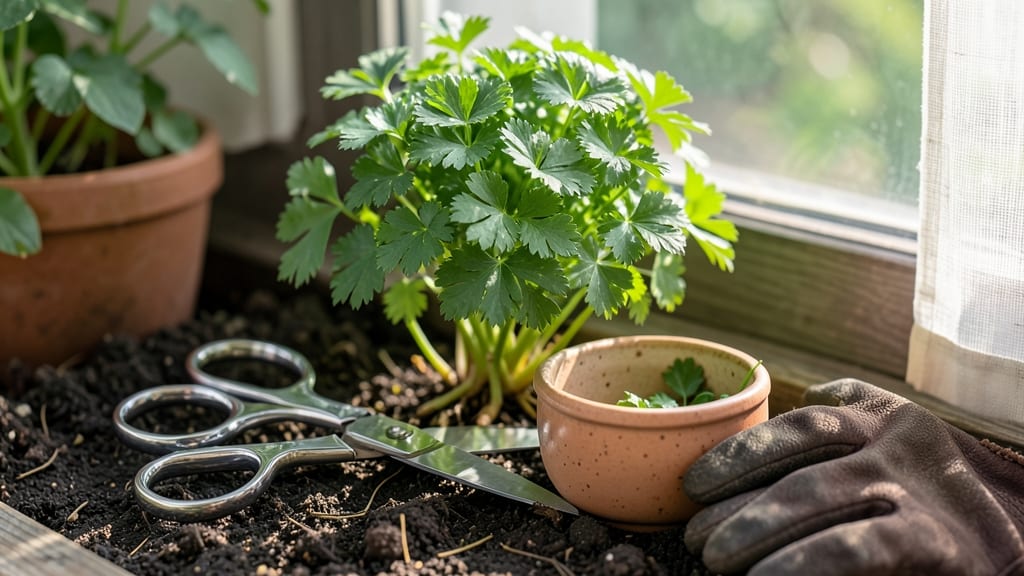
How to cut parsley off the plant right keeps it thriving all season. ✂️ I used to snip leaves randomly—then my parsley turned leggy and sparse. The secret? Cutting from the base, not just the top, encourages bushier regrowth that lasts months longer.
You’ll need sharp scissors or clean pruners (never dull blades—they crush stems). For flat-leaf parsley, cut just above a set of leaves; for curly parsley, leave at least 2-3 inches of growth. Avoid taking more than a third of the plant at once, or you’ll stunt new growth.
After trimming, water deeply to help recovery. Within 2-3 weeks, you’ll see fresh new shoots pushing through. The key is consistency—harvest regularly in the morning when leaves are crisp, and your parsley will stay productive for 6-8 months instead of bolting by summer.
Pro tip: Pinch back the tips of young plants early to encourage branching. And if your parsley starts flowering, snip those buds immediately—they signal the end of leaf production. With the right cuts, you’ll have a parsley plant that outlasts store-bought bundles by a mile.
📚 In This Guide
- What you need
- Instructions
- Tips and common mistakes
- Wrapping up and next steps
What you need
- ● Sharp pruning shears or scissors: Choose bypass pruners (for clean cuts) or clean kitchen scissors (for smaller stems). Ensure they’re sterilized (wipe with rubbing alcohol) to prevent disease.
- ● Parsley plant: A healthy, mature plant (at least 6–8 inches tall) with 3–5 sets of true leaves for optimal regrowth.
- ○ Gloves (optional but recommended): Nitrile or garden gloves to protect hands from sap and dirt.
- ● Container or bowl: A shallow dish or bucket to collect trimmed stems (for composting or cooking!).
- ○ Water spray bottle (optional): For misting leaves post-trimming to reduce stress.
- ● Gardening journal: To log trimming dates and plant progress.
- ● Plant food or compost: A balanced fertilizer (like 10-10-10) or compost to nourish the plant after trimming.
- ● Ruler or measuring tape: For precise height tracking if you’re aiming for uniform regrowth.
- ● Disinfectant wipes: For quick tool sterilization between cuts.
Tips & tricks for perfect parsley trimming
These simple secrets will help you keep your parsley thriving with minimal effort.
The Growth Factor: In Step 1, when checking for 4-6 pairs of mature leaves, look for leaves that are at least 2-3 inches long. Smaller leaves mean the plant hasn't stored enough energy to regrow properly. I always count from the bottom up—this ensures you're harvesting mature growth while leaving younger leaves to develop.
Tool Technique: For Step 2, I recommend using small pruning shears specifically designed for herbs. Regular scissors can crush stems and damage the plant. After each cut, wipe your tools with rubbing alcohol—this prevents spreading disease between plants. The slight downward angle on your cut helps water run off the stem instead of pooling, which reduces rot risk.
Seasonal Strategy: In Step 5, when temperatures drop below 40°F, parsley's growth slows dramatically. This is your cue to switch to a maintenance trimming schedule—just remove any yellowed or damaged leaves rather than aggressive harvesting. I've found that even in winter, parsley will reward you with new growth if you keep it healthy through the cold months.
Sunlight Secret: The 4-6 hours of sunlight mentioned in Step 3 is non-negotiable for bushy regrowth. If your parsley starts looking leggy, it's not getting enough light. I've had success moving potted parsley to a south-facing windowsill or using a small grow light for 6 hours daily during cloudy periods. This keeps the leaves compact and flavorful.
Pro Tips for Cut Parsley Off Plant
- These simple secrets will help you keep your parsley thriving with minimal effort.
- The Growth Factor: In Step 1, when checking for 4-6 pairs of mature leaves, look for leaves that are at least 2-3 inches long.
- Tool Technique: For Step 2, I recommend using small pruning shears specifically designed for herbs.
Frequently asked questions
Got questions about harvesting parsley without harming your plant?
You’re not alone! Here are answers to the most common queries—so you can trim like a pro and keep your parsley thriving.
When is the best time to cut parsley from the plant?
The ideal time to harvest parsley is in the morning after the dew has dried but before the sun gets too intense. This ensures the leaves are hydrated and fresh. Avoid cutting after rain or late in the day, as moisture can promote rot or attract pests.
Can I cut parsley all the way to the ground?
No—never cut parsley down to the soil. Always leave about 2–3 inches of stem to encourage regrowth. If you shear too low, you risk killing the plant or stunting future harvests. Think of it like a haircut: leave room for growth!
How do I harvest parsley without killing the plant?
Use clean, sharp scissors or pruners to snip stems at a 45-degree angle, about 1–2 inches above a leaf node. Avoid tugging leaves—this can damage the plant. For curly parsley, cut outer stems first; for flat-leaf, harvest uniformly to maintain shape.
How often should I cut parsley for continuous harvest?
For bushy regrowth, harvest every 4–6 weeks in warm climates or every 6–8 weeks in cooler seasons. Regular trimming (about ⅓ of the plant at a time) encourages fuller growth. Over-harvesting weakens the plant, so balance is key!
What if my parsley turns yellow or wilted after cutting?
Yellowing or wilting can signal over-harvesting, underwatering, or pests. If it’s post-cutting, give the plant 1–2 weeks to recover and water deeply. Check for aphids or fungal spots—treat with neem oil or insecticidal soap if needed. Adjust sunlight (parsley prefers partial shade) if leaves scorch.
Pro Tip:
Label your parsley plants! Curly and flat-leaf varieties regrow differently—curly parsley is hardier but slower to recover, while flat-leaf bounces back faster. A quick marker saves future confusion (and stress).
Wrapping up and next steps
Mastering the art of cutting parsley off your plant isn’t just about harvesting fresh herbs—it’s about encouraging lush, continuous growth for a never-ending supply. Whether you’re trimming for flavor, aesthetics, or both, the key is precision and patience.
Start small, use sharp tools, and always leave enough foliage to keep your plant thriving.
Now that you’re armed with the know-how, grab those shears and get trimming! 🌿 With a little practice, you’ll be the proud owner of a parsley plant that’s always ready to brighten up your dishes—and your windowsill. Ready for more? Explore other herb-care tips to keep your garden flourishing year-round!