
How To
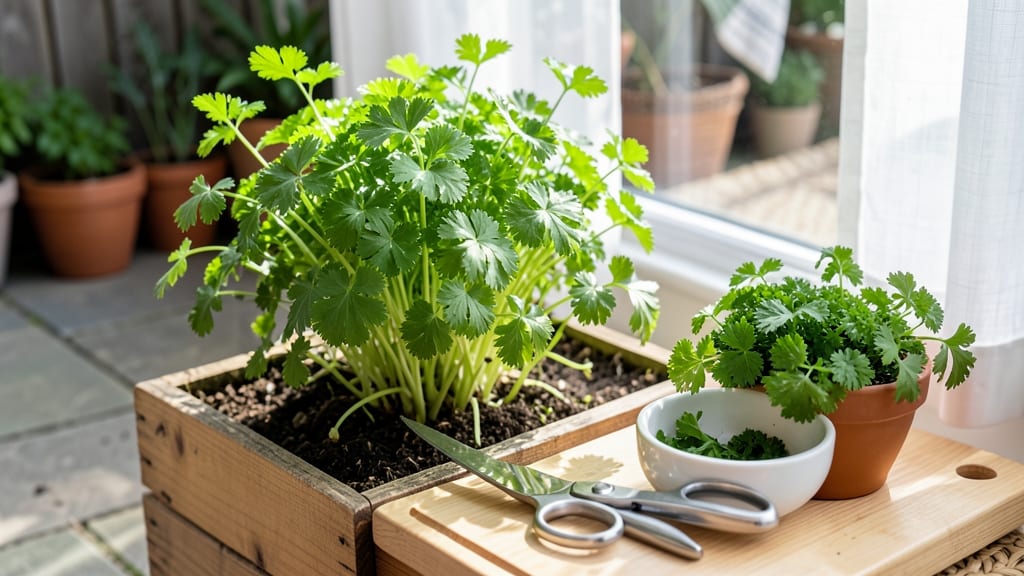
If you’ve ever wondered how to harvest curly parsley 🌿 without sacrificing future growth—or just want to know when your homegrown leaves pack the most flavor—you’re in the right place.
The key to harvesting lies in timing, technique, and a little patience, all of which I’ll break down so you can enjoy fresh, vibrant parsley all season long.
Curly parsley thrives when you harvest it at the right stage, typically between May and October, depending on your planting window.
But it’s not just about the calendar—leaf size, color, and even the plant’s fragrance are all clues that your parsley is ready. Learn how to spot these signs so you can pick leaves that are both flavorful and ready to regrow.
Many gardeners make the mistake of cutting too much at once or harvesting at the wrong time, which can stunt the plant’s growth. I’ll show you the proper cutting techniques—like trimming outer stems first—to keep your parsley bushy and productive.
Whether you’re growing it in pots or garden beds, these methods will ensure you get the best harvests without harming your plant.
Ready to master the art of harvesting? By the end of this guide, you’ll know exactly when to cut, how much to take, and how to store your parsley so it stays fresh and flavorful. Let’s get started!


When to harvest curly parsley for peak flavor and optimal growth
Harvesting curly parsley at the right time is the secret to unlocking its boldest flavor while keeping your plant thriving. The best time to harvest is when leaves reach 3-5 inches long and display vibrant dark green color with tight curls.
This typically occurs 75-90 days after sowing, but timing varies based on your climate and growing conditions.
For continuous harvests, aim to pick parsley in the morning after dew has dried but before the heat of the day. This ensures leaves are crisp and packed with flavor. Early morning harvesting also reduces stress on the plant, allowing it to recover faster for future harvests.
Seasonal timing matters too. In USDA Zone 6, parsley thrives from May through October, with peak harvests in late spring and early fall. If you planted a second crop in August-September, you’ll have fresh parsley ready by October before the first frost.
Look for these visual cues to confirm readiness: firm stems that resist gentle pressure, aromatic leaves that release a fresh scent when crushed, and fully developed curls. These signs indicate the plant has reached its flavor peak and is ready for harvest.
| Stage | Leaf Characteristics | Stem Condition | Harvest Time |
|---|---|---|---|
| Early Growth | Pale green, loosely curled | Soft, easily breakable | Avoid harvesting |
| Ideal Harvest | Dark green, tightly curled (3-5") | Firm with slight resistance | Morning, every 3-4 weeks |
| Over-Mature | Yellowing, woody stems | Hard, woody | Reduce harvesting |
| Flowering | Leaves bitter, stems hollow | Hollow, seed stalks | Harvest before blooms |
To encourage continuous regrowth, never remove more than one-third of the plant in a single harvest. Focus on cutting outer stems first, as this allows sunlight to reach inner leaves and stimulates bushier growth. This method ensures your parsley stays productive for multiple harvest seasons.
If you notice your parsley developing flower stalks, act quickly—this is a sign the plant is shifting energy from leaves to seeds. Cut the flower stalks immediately to redirect the plant’s energy back to leaf production. This simple step can extend your harvest window by several weeks.
For indoor parsley, timing is slightly different. Since indoor plants often grow slower due to limited light, harvest when leaves reach 2-3 inches and focus on cutting just the topmost leaves to avoid shocking the plant. Indoor parsley benefits from grow lights to maintain consistent growth rates.
Proper timing isn’t just about flavor—it’s about sustainable harvesting. When you harvest at the right stage, you’re not only getting the best taste but also encouraging your parsley to grow fuller and more vigorous for future harvests. This balance is key to enjoying fresh parsley all season long.
Remember, parsley is a biennial plant, meaning it can live for two years if cared for properly. With the right harvesting techniques, your first-year plants can become productive second-year harvesters, giving you double the yield in subsequent seasons.
Step-by-step guide to harvesting curly parsley without killing the plant
Harvesting curly parsley correctly is all about precision and patience. The right technique ensures your plant stays healthy and keeps producing flavorful leaves. Start by selecting the outer stems first—these are the oldest and won’t affect the plant’s center growth.
Use sharp, clean scissors or pruning shears to avoid crushing the stems, which can lead to disease.
Hold the stem at a 45-degree angle about 1-2 inches above a leaf junction. This angle helps water run off, reducing rot risk. Never pull leaves directly from the stem, as this can damage the plant.
For container-grown parsley, trim stems just above the soil line if they’re long and leggy, but leave at least half the plant intact to encourage regrowth.
🔹 Pro Tip: Harvest in the morning after the dew has dried. This ensures your leaves stay fresh longer and are free of moisture, which can cause wilting.