
Companion Plants
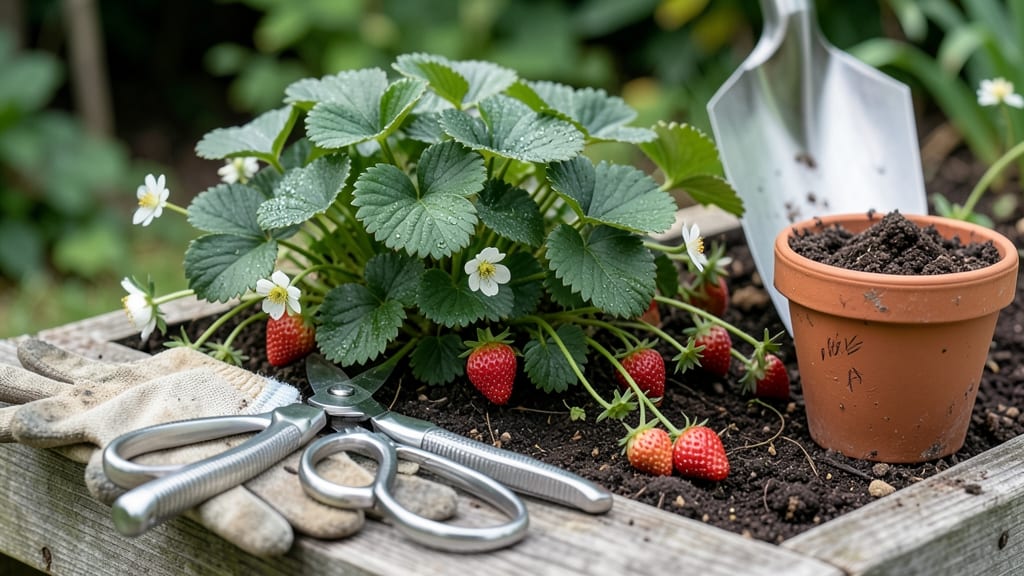
How to cut the runners off strawberry plants—those long, whippy strawberry runners are sapping your plants' energy—cutting them back now means bigger, sweeter berries next season. 🌱 I used to ignore them until I realized they were stealing nutrients from my fruit production. The right timing and technique make all the difference between a healthy mother plant and one fighting for survival.
You’ll need sharp pruning shears (dull blades crush stems), gloves for grip, and a clear morning to work when runners are still firm. The goal is clean cuts just above the leaf axil—never tear them, or you risk disease.
Pinching off new growth at the base also works for beginners, though it’s slower. Timing matters most: late summer through early fall is ideal, before the first frost.
What you’ll gain is a strawberry patch that focuses its energy on fruit, not spreading. Plants stay compact, roots strengthen, and next year’s harvest arrives earlier. Those cut runners? Toss them or pot them up for new plants—no waste here.
The key is consistency; I’ve seen plants go from scraggly to prolific in one season with this simple habit.
Fair warning: cutting runners too late in fall can stress plants before winter. And never prune during fruit production—wait until after your last harvest. For container growers, this method works too, just scale down your tools. Here’s how to do it without a single mistake.
📚 In This Guide
- What you need
- Instructions
- Tips and common mistakes
- Wrapping up and next steps
What you need
- ● Pruning shears or sharp scissors – Choose sterilized tools with bypass blades (avoid anvil-style shears to prevent crushing runners). A 5-inch to 7-inch blade length works best for precision.
- ○ Gloves (optional but recommended) – Wear gardening gloves to protect your hands from thorns and dirt (nitrile or leather are ideal).
- ● Disinfectant (rubbing alcohol or bleach solution) – 70% isopropyl alcohol or a 1:9 bleach-to-water ratio to sterilize tools before/after use.
- ○ Garden twine or plant ties (optional) – Useful for tying down runners if you’re not removing them immediately (3–4 ft lengths per plant).
- ● Compost bin or trash bag – For disposing of runners (avoid composting if your strawberries have disease).
- ● Watering can or hose (with gentle nozzle) – To hydrate plants post-pruning (1–2 gallons per plant).
- ● Hand pruners with ergonomic grips – Reduces hand fatigue for larger gardens.
- ● Knee pad or small stool – Makes crouching easier if you’re working with ground-level strawberries.
- ● Plant marker or labels – If you’re propagating runners elsewhere, label them with the parent plant’s variety.
- ● Mulch (straw or wood chips) – Helps suppress weeds and retain moisture after pruning.
Step-by-step instructions for pruning strawberry runners
Here's the method I use to keep my strawberry plants focused on fruit production instead of spreading.
✂️ Step 1: Identify and Locate Runners
Runners are those long, thin stems that grow outward from your strawberry plants, often with small leaves at the tips. They're the plant's way of creating new plants, but if you want bigger berries, you'll want to remove them. I like to do this in the morning when the plants are dry and the runners are easier to spot. Look for stems that are about 6-12 inches long—these are the ones ready for pruning.
Real talk: Some people wait until runners are 18 inches long before cutting, but I find that the longer they grow, the more energy they drain from your main plant. Plus, those tiny leaves at the tips can start producing their own runners, creating a never-ending cycle. The sooner you cut, the more energy stays in your mother plant for fruit production.
✂️ Step 2: Gather Your Tools
You don't need anything fancy—just a pair of clean, sharp pruning shears or even regular scissors in a pinch. I keep a small bottle of rubbing alcohol nearby to wipe down my shears between cuts. This prevents spreading any potential diseases from one plant to another. Avoid using your hands or dull tools—they can crush the stems and leave ragged edges that invite rot.
Here's the thing—if you're dealing with a large patch, consider wearing gloves. Strawberry runners can be sharp, and the sap might irritate some skin. Plus, gloves keep your hands clean for handling the berries later. I like to work in short sessions of about 20-30 minutes to avoid fatigue, especially when dealing with multiple plants.
✂️ Step 3: Make the Cut
Position your shears about ½ inch above the base of the runner, where it meets the main plant. This ensures you're cutting at the crown, which prevents any chance of regrowth. A clean cut is crucial—don't tear or crush the stem. If you're using scissors, angle the cut slightly downward to reduce the risk of water pooling on the wound.
I always cut runners as they appear, usually every 1-2 weeks during the growing season. This might seem like a lot of work, but it pays off when you see those big, juicy berries instead of a patch full of baby plants. Watch for new runners forming at the leaf axils—the spots where leaves meet the stem—and cut those early before they get established.
🌱 Step 4: Dispose of Runners Properly
Don't just toss runners into the compost pile—they can sprout and create new plants where you don't want them. Instead, I collect them in a small bucket and either add them to my green waste bin or use them to create new plants in a designated area of my garden. If you're not planning to propagate, bag them up and throw them away in the trash.
This is the moment that matters: After removing runners, give your strawberry plants a good drink of water. The roots will thank you for the extra moisture, especially if you've been cutting runners regularly. I also like to add a light layer of mulch around the base of the plants to help retain moisture and keep weeds down. Just keep it 2-3 inches thick so it doesn't smother the plants.
⏰ Step 5: Monitor and Maintain
Check your strawberry plants every 5-7 days during the growing season to catch any new runners early. Consistency is key—if you let runners go for too long, your plants will focus their energy on spreading instead of fruiting. You'll know you're doing it right when your plants are lush and green, with plenty of new leaves and flowers instead of long stems reaching outward.
I know it seems like a lot of work, but trust me, your strawberries will reward you. The first year I started pruning runners religiously, my berries were 30% larger than the year before. Plus, you'll have fewer plants to deal with come harvest time. If you're growing strawberries in containers, this method is even more important—they have limited space, so every bit of energy should go toward fruit production.
Tips & tricks for pruning strawberry runners effectively
Here's what I learned after years of trial and error with my strawberry patch—these tricks make all the difference between a few berries and a bountiful harvest.
Timing Secret: The morning hours are your best friend for pruning runners. Dew-free leaves make runners easier to spot, and the cooler temperatures reduce stress on the plants. I've found that starting at dawn gives me the best visibility and minimizes the risk of accidentally cutting leaves or flowers. If you absolutely must prune later in the day, do it in the early afternoon to avoid evening moisture that could invite fungal issues.
Tool Technique: Sharp shears aren't just about clean cuts—they're about efficiency. I've ruined more runners than I care to admit trying to cut them with dull scissors. A quick test: If your shears struggle to cut through a piece of paper cleanly, they're not sharp enough. For large patches, consider investing in a pair of bypass pruners—they cut cleaner and faster than anvil-style shears. And always wipe them down with rubbing alcohol between plants to prevent disease spread.
Regrowth Prevention: The key to stopping runners for good is cutting at the right spot. That ½-inch above the base isn't just a measurement—it's where the plant's energy pathway is severed. If you cut too close to the main stem, you risk damaging the plant. If you cut too far away, you leave a stub that can regrow. I like to make a slight downward angle with my cut to help water run off and prevent rot at the wound site.
Monitoring Strategy: Those 5-7 day checks between pruning sessions are your window to catch new growth early. I've developed a simple system: I mark my calendar with reminders every Friday morning. This consistency pays off—my plants stay focused on producing fruit rather than spreading. For container growers, check even more frequently since space is limited and runners can appear overnight.
Pro Tips for Cut Runners Off Strawberry Plants
- Here's what I learned after years of trial and error with my strawberry patch—these tricks make all the difference between a few berries and a bountiful harvest.
- Timing Secret: The morning hours are your best friend for pruning runners.
- Tool Technique: Sharp shears aren't just about clean cuts—they're about efficiency.
Frequently asked questions
about cutting runners off strawberry plants—because even the greenest thumbs have questions! Here are answers to the most common ones to keep your strawberry patch thriving.When is the best time to cut strawberry runners?
Remove runners before they root into the soil (usually 2–4 weeks after they appear). Early summer is ideal—cut them back in late spring or early summer to redirect the plant’s energy to fruit production. Avoid pruning in fall or winter, as the plant needs all its strength to survive cold weather.
Do I need special tools to cut runners?
Nope! Clean, sharp pruning shears or even scissors work great. Avoid dull tools—they can crush stems and invite disease. For large patches, hedge clippers can speed up the process. Just sanitize your tools with rubbing alcohol between cuts to prevent spreading pests.
What should I do with the cut runners?
You’ve got options! Toss them in compost (they’ll break down quickly), replant them in a separate bed for new strawberry patches, or use them as mulch. Just avoid leaving them near the parent plant—they’ll just regrow! Pro tip: If you’re short on space, try propagating runners in water first to monitor root growth.
Will cutting runners reduce my strawberry harvest?
Not if done right! Removing runners actually boosts fruit production by focusing the plant’s energy on existing berries. However, if you cut too aggressively (e.g., removing all runners in late summer), the plant may struggle to recover. Balance is key—aim to remove 70–80% of runners while leaving some for future plants.
My strawberry runners keep growing back—why?
Persistent runners often mean the plant is still putting energy into growth instead of fruiting. Try these fixes:
- Cut runners closer to the main plant (about ½ inch from the crown).
- Apply a balanced fertilizer (10-10-10) after pruning to encourage fruit production.
- Check for overcrowding—thin out older plants to reduce competition.
Wrapping up and next steps
Cutting runners off your strawberry plants is a simple yet powerful way to boost fruit production and keep your garden thriving!
By following these steps—using sharp shears, timing your cuts right, and composting the runners—you’ll encourage healthier plants and a more abundant harvest. You’ve got this! Now’s the perfect time to put your new skills to work—grab those shears and give your strawberries the care they deserve. 🌱✨