
How To
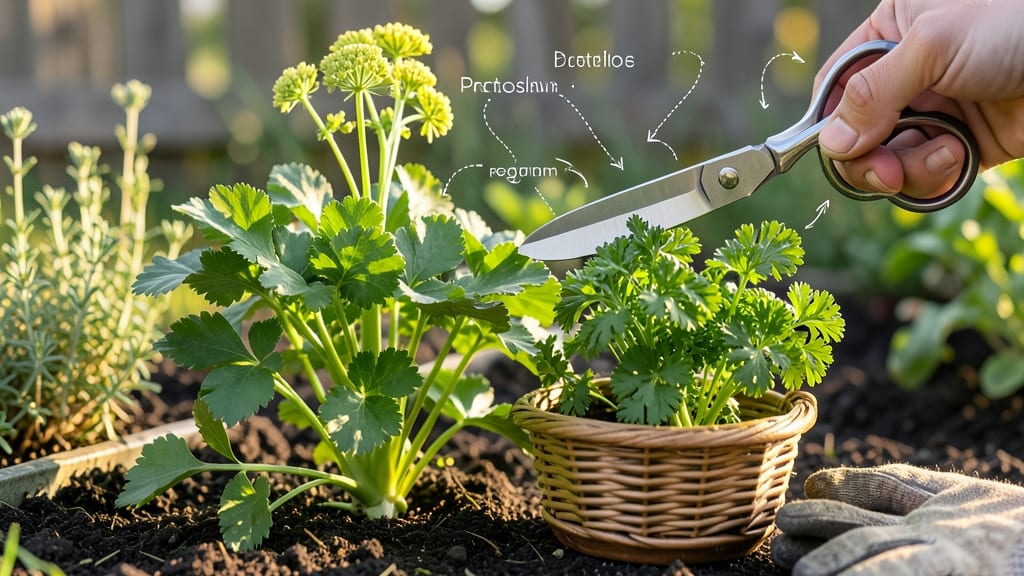
Harvesting parsley at the right time can transform your herb garden from a simple green addition to a flavor powerhouse—but timing is everything. Whether you're growing curly or flat-leaf 🌿, cutting too early means mild leaves, while waiting too long risks bitterness or even flowering.
The key lies in knowing when those leaves are at their peak, and how to snip them without sacrificing future growth.
Most gardeners assume parsley is ready when it looks "big enough," but the ideal harvest window actually starts when leaves reach 4-6 inches and stems feel firm. Morning harvests preserve flavor, and avoiding the heat of midday keeps your 🌿 thriving longer.
But here's the secret: cutting the right way encourages regrowth, meaning you could enjoy fresh parsley for months.
If you've ever wondered why your parsley bolts to seed or grows leggy, it's likely due to improper harvesting techniques. I'll show you exactly how to cut stems—never the roots—and which tools work best to keep your plant happy.
Plus, I'll share my go-to storage tips so you can use your harvest right away or save it for later without losing that bright, fresh taste.
Ready to turn your parsley patch into a year-round herb source? Let's dive into the step-by-step methods that'll keep your 🌿 producing flavorful leaves, no matter the season. Your kitchen—and taste buds—will thank you.


When to harvest parsley for maximum flavor and regrowth success
Timing your parsley harvest is everything—cut too early, and you’ll get bitter, underdeveloped leaves. Harvest too late, and you risk woody stems or flowering, which dulls flavor and signals the end of the season. The key is targeting mature leaves while leaving enough foliage to fuel regrowth.
For flat-leaf parsley, aim for leaves 4-6 inches long with bold, serrated edges. Curly parsley should have similarly sized fronds that are fully unfurled and vibrant green.
Season matters too. In USDA Zone 6a (like much of the Midwest), start harvesting in late spring once soil warms and plants hit 60-75 days of growth.
In warmer climates, you can harvest year-round, but avoid cutting after the first frost (October 30 in many regions) or when stems turn woody. Morning harvests are ideal—leaves are crispest and driest, reducing wilting.
Here’s the science: Parsley’s flavor peaks when leaves are fully expanded but not yet flowering. Once it bolts (sends up a flower stalk), the leaves turn bitter and tough. Flat-leaf varieties often tolerate slightly later harvests than curly types, which bolt faster.
To delay flowering, pinch off any flower buds you spot early in the season.
Frequency is critical. For continuous regrowth, never remove more than one-third of the plant at once. Instead, target the outer leaves first—this protects the center growth point.
I like to harvest every 2-3 weeks during peak season (June–September) to keep my parsley bushy and productive. Over-harvesting stresses the plant, leading to sparse, slow regrowth.
🌿
Pro tip: If your parsley is struggling to regrow after harvest, it might need a nutrient boost. A light feeding with 5-10-5 balanced fertilizer (1 tbsp per plant) every 4-6 weeks during the growing season keeps it lush.
Pair this with consistent morning watering—parsley hates soggy roots but thrives with moist, well-draining soil.
Seasonal adjustments are key. In summer’s heat, harvest more frequently to prevent bolting. In fall, reduce cuts as days shorten, and stop entirely before the first frost. With these timing tricks, you’ll enjoy flavorful parsley from early summer through late autumn—no bitter surprises!
📅
One last secret: Flat-leaf parsley often handles later harvests better than curly types. If you’re growing both, prioritize harvesting the curly variety first to preserve its delicate flavor. And always use clean, sharp scissors—dull blades crush stems, inviting disease. Now go snip those perfect leaves!
✂️
Step-by-step parsley harvesting techniques to avoid stunting growth
Harvesting parsley correctly ensures your plant stays lush and productive. Always use clean, sharp scissors or pruning shears to avoid crushing stems. Never pull leaves—this damages roots and stunts regrowth. Aim for outer leaves first to protect the plant's center.
Start harvesting when leaves reach 4-6 inches long and have a deep green color. Cut stems at a 45-degree angle just above a leaf node. This angle helps water flow better and encourages new growth. Avoid cutting into the woody base of the plant.
- ❌ Cutting too close to the base—leave at least 1-2 inches of stem.
- ❌ Harvesting in full sun—leaves wilt faster; do it in morning shade.
- ❌ Over-harvesting—never take more than 1/3 of the plant at once.
For flat-leaf parsley, you can harvest stems up to 8-10 inches tall without harming the plant. Curly parsley, however, is more delicate—stick to 4-6 inch stems to prevent woody stems. Always leave 3-4 inner leaves untouched to keep photosynthesis flowing.
After harvesting, rinse leaves under cool water and pat dry with a clean towel. Store in the fridge wrapped in a damp paper towel inside a plastic bag for up to 10 days. For long-term storage, freeze leaves in an ice cube tray with water or olive oil.
If your parsley starts looking leggy or sparse, it’s time for a hard prune. Cut back 1/3 of the plant to encourage bushier growth. This works best in early spring or after a heavy harvest season. Mulch around the base with compost to retain moisture and nutrients.
With the right techniques, your parsley plant can provide continuous harvests for years. The key is patience and precision—never rush the process, and your plant will reward you with vibrant, flavorful leaves all season long. 🌿✂️💧