
Blooming
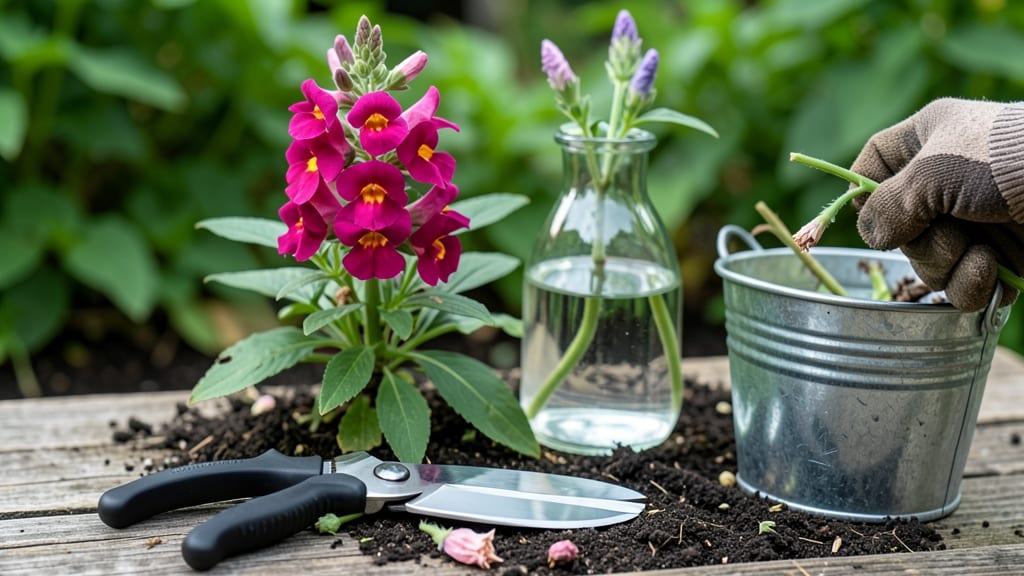
How to cut snapdragons for more blooms—that first snapdragon bloom signals the start of something magical if you know the secret cut. ✨ I’ve watched my snapdragons go from sporadic blooms to nonstop flowering just by making one simple cut at the right time, and it’s easier than you think. The key is timing and technique: pinch or cut just above the leaf pair where the bloom faded, never below. Use clean scissors (or your fingers for small stems) to avoid tearing. Most gardeners skip this step, but it’s what transforms a single flower into a bushy plant covered in blooms for weeks longer. You’ll notice new side shoots forming within 7-10 days, each one capable of producing its own flower. The plants stay compact, resist flopping, and keep producing until frost—double or triple the blooms of unpruned plants. Here’s the real game-changer: do this every time a bloom fades, and your snapdragons will reward you with colorful displays from early summer through fall. No fancy tools, no guesswork—just a little strategic cutting.
📚 In This Guide
- What you need
- Instructions
- Tips and common mistakes
- Wrapping up and next steps
What you need
- ● Sharp, clean pruning shears – Bypass pruners (4-6 inch blades) for precision cuts; sterilize with rubbing alcohol before and after use.
- ● Gloves – Garden or nitrile gloves (size medium/large) to protect hands from thorns and sap.
- ● Snapdragon plants – Mature plants (6+ inches tall) with at least 4-6 true leaves and no signs of disease.
- ● Watering can or hose – With a fine-mist nozzle for gentle post-pruning hydration.
- ● Balanced fertilizer – 10-10-10 or 20-20-20 NPK ratio (1 tbsp per gallon of water) to support regrowth.
- ● Plant markers – Label tags to track pruned stems and blooming stages.
- ● Compost or mulch – Organic matter to retain moisture and reduce stress after cutting.
- ● Disinfectant spray – Neem oil or hydrogen peroxide (3%) to prevent fungal/bacterial spread.
- ● Grow lights (indoor setups) – Full-spectrum LED (12-16 hours/day) if extending the season.
Step-by-step instructions for cutting snapdragons to encourage more blooms
Here's the method I've used for years to turn single-season snapdragons into blooming powerhouses.
🌿 Step 1: Identify the Right Time to Prune
Timing is everything with snapdragons. Wait until the plant has developed at least 4-6 inches of height and 4-6 pairs of true leaves—this ensures the plant has enough energy to support new growth after pruning. You'll notice the stems will be sturdy and the leaves will be vibrant green, not yellowing or wilted.
Look for the first flower bud forming at the top of the main stem. This is your cue to act. If you prune too early, the plant won't have enough foliage to support new blooms. If you wait too long, the plant will focus energy on that first flower instead of branching out. I like to prune just as the first bud begins to swell but hasn't yet opened.
✂️ Step 2: Make the Strategic Pinch Cut
Use clean, sharp pruning shears or your fingers to pinch off the top 1-2 inches of the main stem, just above a set of leaves where a side branch will emerge. This is where new growth will sprout. I always make the cut at a 45-degree angle to increase surface area for faster healing and to prevent water from pooling on the cut.
If the plant has multiple stems, repeat this process on each one. The goal is to encourage the plant to branch out and produce more stems, which in turn will produce more flowers. Don't worry if the plant looks a bit bare after pruning—it's normal and a sign that new growth is about to begin.
🌱 Step 3: Encourage New Growth with Proper Care
After pruning, give the plant a light fertilizer application with a balanced, water-soluble fertilizer (like 10-10-10) diluted to half strength. This provides the nutrients needed for the plant to recover and produce new growth. Water the plant deeply right after fertilizing to help the roots absorb the nutrients and prevent burn.
Place the snapdragons in a location where they receive full sun (6-8 hours daily) and keep the soil consistently moist but not soggy. You'll see new growth emerging from the leaf axils within 2-3 weeks. This new growth is critical—it's where your future blooms will develop. If the soil dries out completely, the plant may go into shock and stop producing new growth.
☀️ Step 4: Maintain and Deadhead for Continuous Blooms
Once new side shoots have grown to about 4-6 inches tall, they'll start to develop their own flower buds. This is when you'll see the real payoff of your pinching efforts. Continue to monitor the plants and remove any spent blooms by cutting the stem just above the next set of leaves. This practice, called deadheading, encourages the plant to produce more flowers instead of focusing energy on seed production.
Keep an eye out for any leggy or weak stems. If a stem grows too tall and spindly, pinch it back again to encourage bushier growth. Over time, your snapdragons will develop a full, bushy appearance with multiple stems producing flowers simultaneously. This is the hallmark of a well-pruned snapdragon plant.
⏰ Step 5: Repeat for a Second Flush of Blooms
After the first round of blooms has finished, give the plant another light fertilizer application and a deep watering. Once the plant has recovered and new growth appears, repeat the pinching process on the remaining stems. You'll often get a second flush of blooms, especially if you've been consistent with care and deadheading.
This second round may not be as abundant as the first, but it extends your snapdragon's blooming season significantly. With proper care, you can enjoy snapdragons in full bloom for 2-3 months instead of just a few weeks. The key is to stay vigilant and act quickly when you see new growth or buds forming.
Tips & tricks for perfect snapdragon pruning
These game-changing insights will help you transform your snapdragons into blooming powerhouses with minimal effort.
Timing is Everything: The moment you spot that first flower bud swelling at the top of the main stem is your golden window. I've learned the hard way that pruning too early means not enough foliage to support new growth, while waiting too long lets the plant focus all its energy on that single bloom. The key is that "just-swelling-but-not-yet-opened" stage—this is when the plant is primed to branch out. If your snapdragons are leggy, they might need a few extra days to develop that sturdy base before pinching.
The Pinch Technique: That 1-2 inch pinch isn't arbitrary—it's about targeting the growth hormones in the plant. Always cut just above a set of leaves where you want new branches to emerge. I like to use my thumb and forefinger for precision, especially on smaller stems. The 45-degree angle isn't just for looks; it creates more surface area for faster healing and prevents water from pooling, which could lead to rot. Pro tip: If your snapdragons have multiple stems, work your way down the plant, always cutting above leaf nodes to encourage branching.
Post-Pruning Care: The 2-3 week window for new growth is when your snapdragons are most vulnerable. After pinching, I immediately give them a diluted fertilizer (half-strength 10-10-10) followed by a deep watering. This nutrient boost helps the plant recover faster. Place them in full sun (6-8 hours daily) and keep the soil consistently moist—think of it like giving your plants a post-surgery recovery plan. If you notice the leaves wilting or turning yellow, it's a sign they're either overwatered or thirsty, and that new growth will stall.
Deadheading Strategy: This is where the magic happens for continuous blooms. When those new side shoots reach 4-6 inches and start forming buds, make it a habit to deadhead spent blooms by cutting just above the next set of leaves. I set a reminder every few days because it's easy to forget. The goal is to redirect the plant's energy from seed production back into creating more flowers. Think of deadheading as giving your snapdragons a constant nudge to "keep blooming!" rather than "it's time to make seeds."
Pro Tips for Cut Snapdragons For More Blooms
- These game-changing insights will help you transform your snapdragons into blooming powerhouses with minimal effort.
- Timing is Everything: The moment you spot that first flower bud swelling at the top of the main stem is your golden window.
- The Pinch Technique: That 1-2 inch pinch isn't arbitrary—it's about targeting the growth hormones in the plant.
Frequently asked questions
Got questions about cutting snapdragons for maximum blooms?
You’re not alone! Here are answers to the most common queries—so you can keep those flowers popping like confetti.
How often should I cut snapdragons for more blooms?
Cut snapdragons every 2–3 weeks during their blooming season (spring to fall). Once flowers fade, snip the spent bloom just above the next set of leaves or buds. This encourages new growth and prevents energy from going to seed production. Over-cutting can stress the plant, so balance is key!
What’s the best time of day to cut snapdragons?
Mornings are ideal! Cut flowers early in the day (before 10 AM) when stems are fully hydrated and blooms are fresh. This gives them the best chance to last longer in vases. Avoid cutting in the evening or after rain—stems may be too soft or prone to bacterial growth.
Should I cut snapdragons all the way to the ground?
No!
Never cut to the base—always leave at least 2–3 sets of healthy leaves below the bloom. These leaves photosynthesize, feeding the plant energy for new growth. Cutting too low weakens the plant and reduces future blooms. Think of it like trimming your hair—you’d never shave it all off!
What if my snapdragons stop blooming after cutting?
If blooms taper off, check for these issues:
- Over-pruning: You might be cutting too aggressively. Stick to 1–2 cuts per season per stem.
- Poor nutrition: Feed with a balanced fertilizer (10-10-10) every 4–6 weeks.
- Pests/disease: Inspect for aphids or fungal spots. Treat with neem oil if needed.
- Light/shade: Snapdragons need 6+ hours of sunlight daily. Move to a sunnier spot if blooms slow.
Can I cut snapdragons for bouquets AND keep them blooming?
Selective cutting works best: harvest only 1–2 stems per plant at a time, focusing on the tallest, healthiest blooms. Avoid cutting more than 30% of the plant’s flowers in a season. For bouquets, pick in the bud stage (not fully open) to extend vase life.
What if my snapdragons bloom but don’t rebloom?
Snapdragons are self-cleaning—they often stop blooming naturally as days shorten (fall/winter). To encourage a second flush:
If blooms still refuse, your variety might be an annual (one-season wonder). Try biennials like 'Black Knight' for repeat performances!
Wrapping up and next steps
Ready to transform your snapdragons into a blooming powerhouse? 🌸 The secret is simple: strategic pinching and smart cutting—just a few minutes of effort can unlock weeks of vibrant flowers! With the right timing, tools, and techniques, you’ll enjoy lush, continuous blooms all season long.
Now that you’re armed with the know-how, grab those shears and get pruning! 🌿 Start with your oldest stems, then watch your snapdragons reward you with nonstop color and charm. Happy gardening—your future blooms are waiting!