
Pests
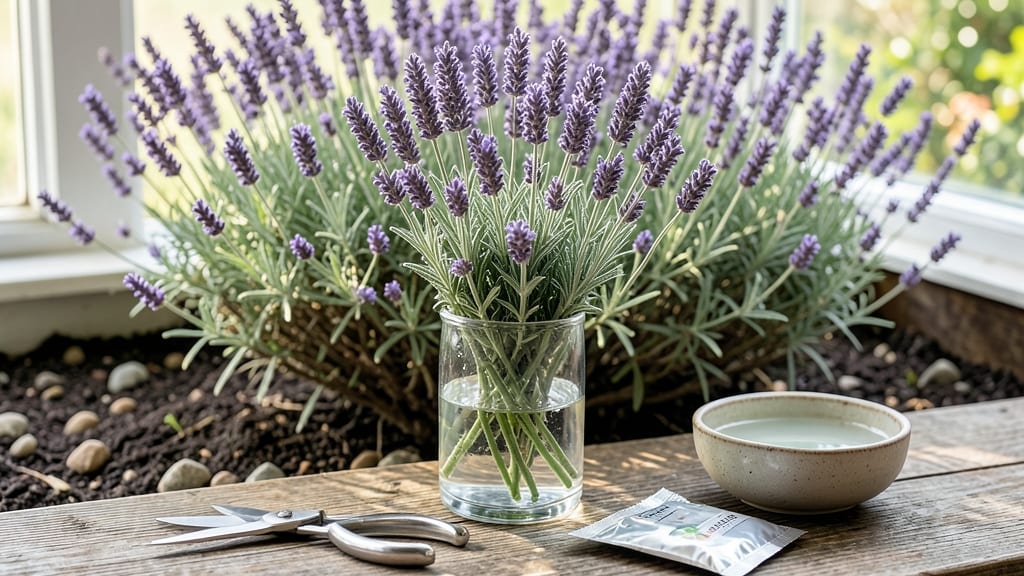
That first whiff of how to keep cut lavender fresh should last longer than a day. ✨ I’ve learned the hard way—drooping stems and lost fragrance happen when you skip these simple steps that keep lavender vibrant for weeks, not hours.
The secret isn’t complicated: recut stems underwater, remove leaves, and use a preservative like sugar or vinegar. Even a basic vase with fresh water and a splash of bleach (yes, really) extends life dramatically. Most people overlook the leaf removal—those suck up water and cause wilting fast.
By the end, you’ll have stems that stay sturdy for 10+ days, with fragrance strong enough to fill a room. The trick is treating lavender like the delicate beauty it is—gentle handling and the right environment make all the difference.
Works for bouquets, centerpieces, or even a simple vase on your nightstand. Let’s make that lavender last!
📚 In This Guide
- What you need
- Instructions
- Tips and common mistakes
- Wrapping up and next steps
What you need
- ● Fresh lavender stems: Harvest lavender when flowers are fully open but not yet wilting (about 70-80% bloomed). Aim for 1-2 bundles (10-15 stems per bundle) for small batches or 3-4 bundles for larger drying projects.
- ● Sharp pruning shears or scissors: Clean, disinfected tools to avoid crushing stems or spreading disease. A 10-inch pair works well for most bundles.
- ● Drying method of choice: Hanging method: Brown paper bags (1 per bundle) or muslin sacks (reusable, breathable fabric).
- ● Air-drying method: A cool, dark, well-ventilated space (e.g., closet, pantry, or drying rack with 1-2 inches of space between stems).
- ○ Oven or dehydrator (optional but faster): A low-heat oven (170°F/77°C) or dehydrator set to gentle drying settings.
- ● Twine or rubber bands: 100% natural twine (for hanging) or elastic bands (to secure bundles).
- ● Silica gel packets: For speed-drying (place stems in a sealed container with silica gel for 1-2 days).
- ● Glass jars or containers: Air-tight, amber or dark-colored jars (4-8 oz size) to store dried lavender long-term.
- ● Essential oil (lavender or citrus): A few drops to enhance fragrance when storing dried lavender.
- ● Humidity absorber: Baking soda or rice (place a small pouch in storage jars to prevent moisture buildup).
Step-by-step instructions for preserving cut lavender
Here's how I keep my lavender bundles fragrant for months—no fancy equipment needed.
🌿 Step 1: Harvest at Peak Freshness
Pick lavender stems when 70-80% of buds are open but before they fully bloom. This is the sweet spot for fragrance and drying success. I always harvest in the early morning when essential oils are most concentrated—just after dew dries but before the midday heat. Use clean, sharp scissors to cut stems at a 45-degree angle about 2 inches from the base. This prevents water from pooling and encourages better drying.
Gather stems into small bundles of 6-8 stems each, tying them loosely with twine or rubber bands at the bottom. Tight bundles slow airflow and trap moisture, while loose ones dry unevenly. I like to leave 2-3 inches of stem exposed at the top—this gives me something to hang them later without breaking the stems.
☀️ Step 2: Dry in a Warm, Airy Space
Find a spot with indirect sunlight and good airflow—think bright kitchen windowsill, covered porch, or basement with a fan. Direct sun fades the color and can scorch the buds, while damp areas invite mold. I hang my bundles upside down in a dark, breathable paper bag or mesh laundry bag to catch any falling buds. The bag also protects them from dust and pests while allowing airflow.
Drying takes 2-4 weeks, depending on humidity. You'll know it's ready when the stems snap easily (not bend) and the buds crumble between your fingers like fine sand. If buds still feel moist after 3 weeks, move to a warmer spot (like near a heater) but avoid direct heat—it destroys the fragrance.
⏰ Step 3: Store Properly for Long-Lasting Fragrance
Once completely dry, remove the twine and loosen the bundles so stems aren’t touching. Place them in a dark, airtight container—I use glass jars with tight lids or wooden boxes with fabric liners. The key is to keep them dry while allowing just enough airflow to preserve that signature lavender scent. If stored in a cool, dark place (like a pantry or closet), they’ll stay fragrant for 6-12 months.
For extra protection, add a silica gel packet to the container to absorb any lingering moisture. Avoid plastic containers—they trap odors and can make lavender smell stale. I like to label my jars with the harvest date so I can rotate them and use the oldest bundles first.
💧 Step 4: Refresh Wilted Bundles (Optional)
If your dried lavender loses its pop, don’t toss it! Place the bundle in a paper bag and squeeze gently to release the trapped oils. Leave it sealed for 1-2 hours, then fluff it up. The oils will re-infuse the stems, bringing back that fresh-from-the-field scent. This trick works best for bundles that have been stored for 3-6 months—not ideal for completely stale lavender.
For a quick scent boost, rub the buds between your palms before using in potpourri or sachets. The friction releases more essential oils, making your space smell like a Provence lavender field in seconds. I keep a small jar of these "revived" buds by my bed for a calming nighttime aroma.
Tips & tricks for perfectly preserved lavender
These little-known details make all the difference between lavender that fades in weeks and bundles that stay fragrant for a year.
Harvest Timing: The early morning window is non-negotiable for peak fragrance. I've learned the hard way that harvesting after 10 AM means weaker oils—those buds lose up to 30% of their aromatic compounds by noon. If you must harvest later, pick only the freshest stems from the center of the plant where morning dew hasn't evaporated yet.
Bundle Size Matters: Those 6-8 stems per bundle aren't arbitrary—they create perfect airflow while maintaining structural integrity. Tight bundles dry too slowly (risking mold), while loose ones can fall apart. I use rubber bands instead of twine because they're less likely to dig into the stems and cause bruising that weakens fragrance.
Drying Test: The "snap test" is your best friend during those 2-4 weeks. When stems snap cleanly (not bend), you're golden—but don't stop there. Crumble a bud between your fingers: if it feels like fine sand with no moisture, it's ready. If it's still slightly damp, give it another week rather than rushing with heat.
Storage Hack: That 6-12 month shelf life assumes proper storage. I've found adding a silica gel packet to my glass jars extends freshness by an extra 3-4 months. The key is creating a microclimate where moisture can't form but airflow isn't completely blocked—think of it like a lavender spa where the buds can "breathe" just enough to maintain their oils.
Pro Tips for Keep Cut Lavender Fresh
- These little-known details make all the difference between lavender that fades in weeks and bundles that stay fragrant for a year.
- Harvest Timing: The early morning window is non-negotiable for peak fragrance.
- Bundle Size Matters: Those 6-8 stems per bundle aren't arbitrary—they create perfect airflow while maintaining structural integrity.
Frequently asked questions
Got questions about keeping your cut lavender fresh and fragrant? You’re not alone! Here are some of the most common concerns—and their simple solutions.
How long does cut lavender stay fresh if stored properly?
With the right care, cut lavender can stay fresh for 1–2 weeks in a cool, dry place. For longer-lasting fragrance, dry it within 2–3 days of cutting. If you’re drying bundles, they’ll keep their scent for months to years when stored in an airtight container away from light.
Can I revive wilted cut lavender?
Unfortunately, once lavender wilts, it’s past saving for fresh use. However, you can still dry it for potpourri or sachets! Hang the stems upside down in a dark, dry spot for 1–2 weeks, then strip the buds and store them in a sealed jar. The scent will fade slowly but remain usable for months.
Should I trim the stems before drying lavender?
Yes! Trim stems to 3–4 inches long before drying to remove damaged or woody parts. This improves airflow, helping the buds dry evenly and faster. Plus, shorter stems are easier to work with when making bundles or sachets later.
Does sunlight help or hurt drying lavender?
Direct sunlight can bleach the color and speed up drying too quickly, reducing fragrance. Instead, choose a warm, shaded spot (like a closet or under a shelf) for gentle, even drying. If using a dehydrator, set it to 95°F (35°C) for best results.
What’s the best way to store dried lavender long-term?
Keep dried lavender in a dark, airtight glass jar (like a mason jar) in a cool, dry place. Add a silica gel packet to absorb moisture and prevent mold. Label the jar with the date—properly stored lavender can last up to 2 years while retaining its aroma!
Wrapping up and next steps
Keeping your cut lavender fresh is all about timing, technique, and a little patience—but the results are totally worth it! Whether you’re drying bundles, using a dehydrator, or air-drying, these methods ensure your lavender stays fragrant and beautiful for months.
Now that you’re equipped with the best tips, go ahead and experiment—your home (or craft projects!) will thank you.
Ready to elevate your space? Try making lavender sachets, potpourri, or even infused oils next! 🌿✨ Check out our guide for creative lavender projects to put your fresh-dried blooms to good use.