
Pruning
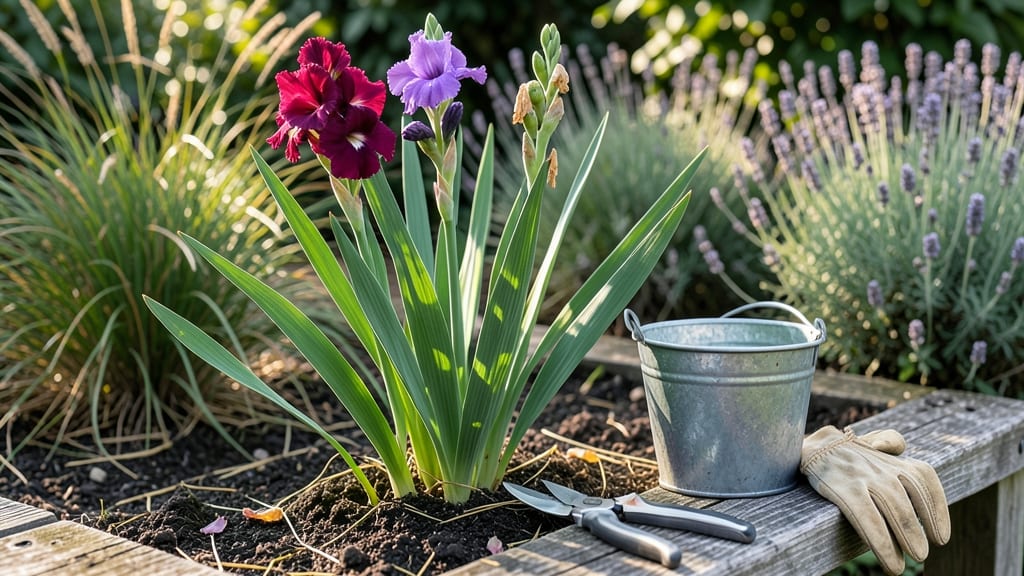
Deadheading gladioli isn’t just about tidy flowers—it’s the secret to weeks of extra blooms and stronger plants. ✂️ I’ve learned that skipping this step means fewer flowers and weaker stems next season. The process takes just minutes but pays off with vibrant, repeat blooms all summer long.
You’ll need sharp pruners (or clean scissors) and a clear day to work—gladioli’s spiky stems make cutting safer when dry. The key is timing: snip just above the first set of leaves below the spent bloom, never at the base.
This redirects energy to new growth while keeping foliage for photosynthesis.
After deadheading, your plants will reward you with new flower stalks in 2-3 weeks, often producing a second flush of blooms. The plants stay healthier, resist disease better, and store more energy underground for next year’s display.
Just avoid cutting into the bulb itself—thick stems hide sharp thorns, so wear gloves if you’re sensitive.
For maximum results, repeat the process every 2-3 weeks as blooms fade, and avoid overcrowding plants. In cooler climates, deadhead until frost; in warm zones, continue until growth slows. The effort turns a one-time summer show into a longer, more abundant display—worth every snip.
📚 In This Guide
- What you need
- Instructions
- Tips and common mistakes
- Wrapping up and next steps
What you need
- ● Pruning shears or sharp scissors: Clean, sharp tools prevent damage to stems and reduce disease risk. (1 pair)
- ○ Gloves: Optional but recommended to protect hands from thorns or dirt (gardening or work gloves, size fits you).
- ● Disinfectant (rubbing alcohol or bleach solution): 1:9 ratio of bleach to water to clean tools before and after use.
- ● Trash bag or bucket: For spent blooms and debris (1-2, depending on garden size).
- ○ Water spray bottle (optional): For a quick rinse if tools get dirty mid-task.
- ● Mature gladioli plants: With at least 1-2 open blooms (height: 3-5 feet, depending on variety).
- ● Sunny day or partial shade: Avoid deadheading in wet conditions to prevent soil-borne diseases.
- ● Patience: Take your time! Rushing can lead to missed blooms or stem damage.
Step-by-step instructions for deadheading gladioli
Here's the simple technique I use to keep my gladioli blooming for weeks.
✂️ Step 1: Identify the Right Time to Deadhead
Wait until a flower head opens fully but begins to show color fading or petals drooping slightly—that's your cue. I usually spot the first signs of wilting on the outer petals around mid-morning when the sun is brightest. You'll see the center spike starting to sag or the petals looking slightly limp.
Never deadhead when flowers are still tightly closed or fully vibrant. The plant hasn't finished using the energy stored in that bloom yet. This simple rule keeps your plants strong for the next wave of blooms. I always carry a small pair of clean pruners in my gardening apron so I can snip at the perfect moment.
✂️ Step 2: Use the Proper Cutting Technique
Make your cut just above the first set of healthy, green leaves below the spent bloom. This ensures you remove the dead flower but leave the plant's energy-producing foliage intact. I like to angle my cut slightly upward to prevent water from pooling on the stem—this reduces rot risk.
Use sharp, clean pruners or scissors to avoid crushing stems. A clean cut also looks better and encourages faster regrowth. If you're working with multiple stems, I recommend cutting them all at once to maintain plant balance. You'll notice new side buds forming within 7-10 days after proper deadheading.
✂️ Step 3: Remove Only the Spent Blooms
Focus solely on removing the individual flower heads that have faded. Never cut back the entire stem or remove more than one flower head at a time. Each bloom represents stored energy the plant has invested, and removing too much too soon weakens the plant.
I always check each stem from bottom to top, removing only the fully spent blooms while leaving the fresh ones intact. This selective approach encourages the plant to redirect its energy toward producing more flowers rather than replacing lost foliage. You'll see this in the form of new buds forming along the stem within about 2 weeks.
🌱 Step 4: Maintain Plant Health After Deadheading
After deadheading, give your gladioli plants a light watering to help them recover from the slight stress of pruning. Water at the base rather than overhead to prevent fungal spores from settling on the cut stems. I usually water in the early morning so the foliage has plenty of time to dry before evening.
Keep an eye out for new growth appearing within 7-14 days. Healthy plants will show fresh, vibrant leaves and new flower buds forming along the stem. If you notice any yellowing leaves or wilting, it might indicate over-pruning or underwatering. At this point, simply adjust your watering schedule and avoid any more deadheading until the plant shows clear signs of recovery.
⏰ Step 5: Repeat for Continuous Blooming
Continue this process throughout the blooming season, typically from mid-summer until early fall. Each time you remove a spent bloom, you're essentially telling the plant to "make more" rather than "rest." I usually deadhead my gladioli every 2-3 days during peak bloom time to keep the flowers coming.
You'll be amazed at how this simple technique can extend your gladioli's blooming period by several weeks. The key is consistency—don't let any bloom go completely unnoticed. With regular deadheading, you'll enjoy a nearly continuous display of fresh flowers from each plant. This method works particularly well in containers where you can easily rotate plants to access all stems.
Tips & tricks for perfect gladiolus deadheading
A few simple tricks that'll keep your gladioli blooming like clockwork all season.
Timing is Everything: The mid-morning light is your best friend for spotting wilting petals. That's when the sun's warmth makes fading most obvious—check your blooms around 10-11am daily. I've learned the hard way that waiting until afternoon means you might miss the perfect moment to snip, and those blooms can go from fresh to completely spent in just a few hours.
Tool Selection Matters: Don't underestimate the importance of sharp tools! I keep a small pair of clean pruners dedicated just for deadheading. Dull scissors can crush stems, which stresses the plant and slows down regrowth. For container gladioli, I even carry a tiny pair of nail clippers in my gardening tote—just enough to get the job done without overhandling delicate stems.
Visual Cues for Perfect Cuts: When making your cut in Step 2, look for the first set of healthy green leaves below the spent bloom. The cut should be about 1/4 inch above these leaves. I like to visualize a tiny "V" shape where the stem meets the leaves—this helps me make that upward-angled cut consistently. This small detail prevents water from pooling and keeps your plants looking their best.
Seasonal Deadheading Schedule: During peak bloom (typically July through early September), I deadhead every 2-3 days. In cooler weather or when blooms slow down, I extend this to every 4-5 days. The key is consistency—your plants will respond by producing new buds within the 7-14 day window mentioned in the instructions. I mark my calendar to remind myself, especially when I get busy with other gardening tasks.
Pro Tips for Deadhead Gladioli
- A few simple tricks that'll keep your gladioli blooming like clockwork all season.
- Timing is Everything: The mid-morning light is your best friend for spotting wilting petals.
- Tool Selection Matters: Don't underestimate the importance of sharp tools!
Frequently asked questions
Got questions about deadheading gladioli? You’re not alone! Here are answers to the most common queries to help you keep your garden thriving with stunning blooms.
When is the best time to deadhead gladioli?
Deadhead gladioli immediately after the blooms fade—ideally within 1-2 days. This prevents seed production, redirecting energy back to the plant for stronger stems and more flowers. Wait too long, and you’ll miss the window for maximum bloom extension.
How do I know if I’m deadheading correctly?
You’re on the right track if you snip just below the faded flower head (but above the next set of buds). Avoid cutting into the lower buds—this can stunt future blooms. A clean cut with sharp shears ensures a healthy look and prevents disease.
What if my gladioli stop blooming after deadheading?
If blooms taper off, check for over-pruning (cutting too aggressively) or nutrient deficiencies. Feed your plants with a balanced fertilizer after deadheading, and ensure they get 6+ hours of sunlight. Some varieties naturally slow down, but consistent care keeps them flowering!
Can I skip deadheading and still get flowers?
Yes, but expect fewer, shorter-lived blooms. Deadheading isn’t mandatory, but it doubles or triples your flower yield by encouraging reblooming. Without it, gladioli may focus energy on seed production instead of new stems. Worth the effort for a showstopper garden!
Why are my gladioli leaves turning yellow after deadheading?
Yellowing leaves often signal overwatering or root stress. Gladioli need well-draining soil—amend heavy clay with compost. If the issue persists, check for pests (like thrips) or fungal issues (like rust). Deadheading itself rarely causes yellowing unless combined with poor aftercare.
Wrapping up and next steps
Deadheading gladioli is a simple yet powerful way to keep your garden vibrant and extend their stunning blooms for weeks!
By removing spent flowers and focusing on proper timing, you’ll encourage stronger regrowth and healthier plants. Now that you’re equipped with the know-how, grab those shears and give your gladioli the care they deserve.
Ready to take it further? Try experimenting with fertilizing or mulching to boost next season’s growth—your future blooms will thank you! 🌸✂️