
Pruning
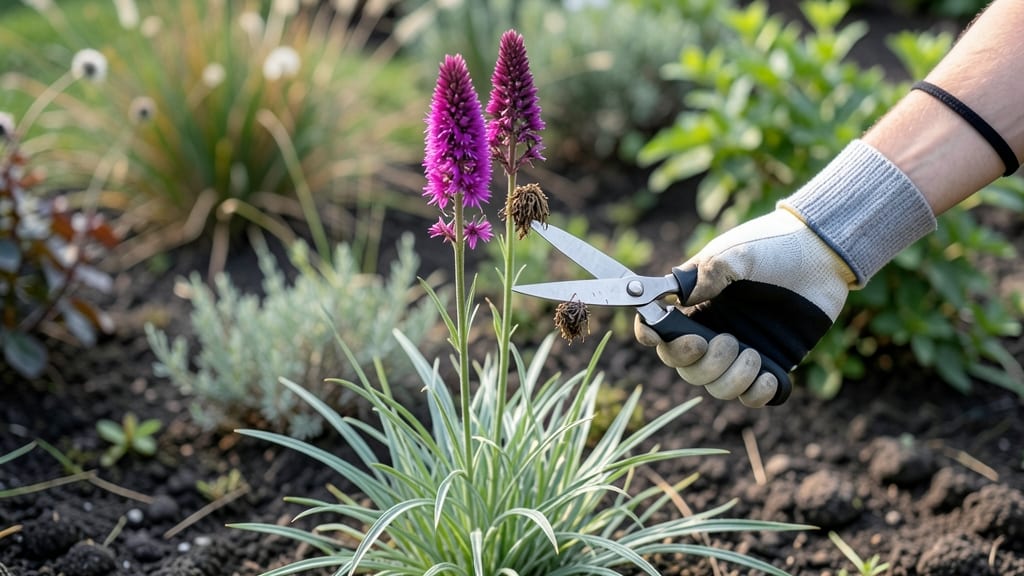
Deadheading liatris isn’t just about tidying up—it’s the secret to longer purple spikes all season. 🌿 I’ve learned that skipping this step means fewer blooms and leggy stems, but with the right technique, your plants will reward you with bold, healthy spikes that last weeks longer.
The key is timing and precision, not brute force.
You’ll need just two simple tools: sharp pruners (cleaned with rubbing alcohol) and a pair of gloves to protect your hands from the fine hairs.
Work on a dry morning when the stems are firm, and always cut just above the next set of leaves or buds—never at a joint. This encourages the plant to send energy downward for new growth.
Timing matters most: deadhead after the bottom 25% of blooms have faded but before the stems turn woody. A single session can extend flowering by 3-4 weeks, and repeat every 2-3 weeks as new blooms open. The result? A second flush of vibrant purple that draws pollinators like crazy.
Pro tip: If your liatris starts looking sparse, skip deadheading entirely that year—let it store energy for next season. And if you’re growing in hot, dry climates, water deeply after pruning to help the plant recover faster. Now grab those shears—your gayfeather deserves this extra care.
📚 In This Guide
- What you need
- Instructions
- Tips and common mistakes
- Wrapping up and next steps
What you need
- ● Pruning shears or sharp garden scissors – Choose bypass pruners (clean cuts) or anvil pruners (heavier stems). Ensure blades are sterilized (rubbing alcohol or bleach solution) to prevent disease.
- ○ Gloves – Garden or work gloves (optional but helpful for thorny varieties like Liatris spicata or L. pycnostachya).
- ● Bucket or trash bag – A 5-gallon bucket or heavy-duty trash bag for collecting spent blooms and debris.
- ● Garden kneeler or stool – If your Liatris is tall (2–4 feet), a foldable kneeler or lightweight stool saves your back.
- ● Water spray bottle – A 16-oz. spray bottle with water to rinse tools between cuts (prevents sap buildup).
- ● Hand lens or magnifying glass – For spotting pests (e.g., aphids) while inspecting stems.
- ● Pruning sealant – Tree wound pruning paste (for large cuts, though Liatris rarely needs it).
- ● Compost bin access – If you prefer reusing spent blooms as mulch.
- ● Notebook & pen – To track deadheading dates or note plant health changes.
Step-by-Step guide for deadheading liatris
Here's how to keep your liatris blooming all season with vibrant purple spikes.
✂️ Step 1: Identify the Right Time to Deadhead
Wait until 50-70% of the blooms on a spike have faded—typically mid-to-late summer. The purple spikes of liatris (Liatris spicata) produce flowers from the bottom up, so you'll see fresh blooms opening at the top while the lower flowers yellow and wilt. This staggered blooming pattern is why timing matters: cutting too early removes potential new buds, while waiting too long lets spent blooms rob energy from the plant.
Grab a pair of clean, sharp pruners or your fingers for a gentle pinch. I like to work on a clear morning after the dew has dried—this gives me the best view of which blooms are ready. Look for spikes where the lower flowers have turned from purple to a dull brownish-yellow. These are your visual cues that it's time to act.
✂️ Step 2: Remove Spent Blooms Correctly
Pinch or cut the entire spent flower spike just above the first set of healthy green leaves or the next healthy bud below the faded blooms. Never trim into the green portion of the stem—this removes growth points and weakens the plant. Liatris produces new flower buds from these lower nodes, so preserving them ensures next year's blooms.
Use a clean cut at a 45-degree angle if using pruners to prevent water from pooling on the stem. I find that my fingers work just as well for this delicate task—simply grasp the base of the faded spike and give a firm twist. The stem should snap cleanly at the right spot. Avoid tugging upward, which can damage the stem or pull out the entire plant.
⏰ Step 3: Maintain Plant Health Post-Deadheading
After deadheading, water the base of the plant deeply but sparingly—liatris prefers dry conditions and overwatering causes root rot. The goal is to moisten the soil 6-8 inches deep without creating soggy conditions. You'll know you've watered enough when water runs out the drainage holes of the pot or when the top inch of soil feels uniformly damp.
Add a balanced 10-10-10 fertilizer (if using) at half-strength to replenish nutrients lost during blooming. I apply this in early morning when the soil is dry to avoid burning the roots. Fertilizing after deadheading gives the plant a boost for any remaining blooms and encourages strong root development for next season.
🌱 Step 4: Encourage Future Blooms and Season-Long Care
Liatris thrives with full sun (6-8 hours daily) and well-draining soil. After deadheading, monitor the plant for new flower spikes emerging from the center. These will produce fresh blooms in 3-4 weeks, extending your display well into fall. If you notice leggy growth or sparse blooms, your plant may need more sunlight or less water.
Leave the lower leaves intact—they photosynthesize to fuel next year's growth. I like to remove only the dead foliage at the very base in late fall, after the first hard frost. This natural cleanup prevents disease and keeps the plant's energy focused on root development over winter.
Tips & tricks for perfect liatris deadheading
Here's what I've learned after years of keeping my liatris blooming beautifully—these little details make all the difference.
Timing Secret: The 50-70% bloom fade guideline in Step 1 is your golden rule, but here's the thing: if your liatris is in a particularly hot, dry climate, you might need to deadhead slightly earlier (around 40-50% fade) to prevent the plant from drying out completely. Watch for the lower buds starting to droop—they'll tell you when it's time. This staggered blooming pattern is why liatris is so special, but it also means you'll need to check your plants regularly rather than doing one big deadheading session.
Technique Tip: When you're ready to remove those spent spikes in Step 2, I've found that using your fingers for a firm twist works best for delicate stems. The key is to make sure you're pinching just above the first set of healthy green leaves—this is where next year's flower buds will form. If you're using pruners, that 45-degree angle isn't just for looks; it prevents water from pooling on the cut stem, which could lead to rot. I always carry a small pair of clean pruners in my gardening bag for moments like this.
Season-Long Care: After deadheading, keep an eye out for those new flower spikes that should emerge in 3-4 weeks (Step 4). This is your plant's way of telling you it's happy and ready for another round of blooms. I like to mark my calendar when I first deadhead—this helps me remember to check for new growth. Also, if you notice your liatris developing leggy growth, it's usually a sign it needs more sunlight. These plants thrive with their full 6-8 hours of daily sun, so don't be afraid to move them to a sunnier spot if needed.
Watering Wisdom: The "deeply but sparingly" advice in Step 3 is crucial, but here's what nobody tells you: liatris actually prefers to be on the drier side. After deadheading, I often wait 3-4 days before watering again, unless the soil feels completely dry. The top inch test is perfect, but I also check the soil 2-3 inches down—this gives me a better sense of the plant's true moisture needs. Overwatering is the #1 reason liatris plants fail, so resist the urge to give them extra love with water.
Pro Tips for Deadhead Liatris
- Here's what I've learned after years of keeping my liatris blooming beautifully—these little details make all the difference.
- Watch for the lower buds starting to droop—they'll tell you when it's time.
- Technique Tip: When you're ready to remove those spent spikes in Step 2, I've found that using your fingers for a firm twist works best for delicate stems.
Frequently asked questions
about deadheading Liatris—here’s what you need to know before you start!When is the best time to deadhead Liatris?
Deadhead Liatris after the blooms fade but before the seed heads form—typically mid-to-late summer. This encourages a second flush of flowers and keeps your garden looking tidy. Avoid cutting back too early (before blooms open) or too late (after seeds set), as this can reduce next year’s blooms.
Can I deadhead Liatris with scissors, or should I use pruners?
Both work! For smaller stems or single blooms, clean sharp scissors or even your fingers (if you’re gentle) are fine. For thicker stems or bulkier clusters, small pruners make the job easier and cleaner. Just sterilize your tools with rubbing alcohol to prevent disease.
What if my Liatris doesn’t rebloom after deadheading?
Don’t worry—Liatris is a perennial, and some varieties (like L. spicata) naturally focus energy on seed production. If blooms are sparse, check for overcrowding, poor soil, or lack of sunlight. Divide clumps every 3–4 years to rejuvenate growth, and fertilize lightly in spring with low-phosphorus fertilizer.
Should I deadhead Liatris before the first frost?
Nope! Wait until after frost to cut back all stems to 3–4 inches tall. This protects the crown (the base of the plant) from cold damage and lets it store energy for next year. If you cut too early, you risk exposing the roots to winter chill.
Can I leave the seed heads for winter interest or wildlife?
If you love textural winter gardens or want to attract birds and pollinators, leave some seed heads. However, if you’re prone to fungal issues or want a neater look, remove them in late fall. Just don’t compost diseased foliage—trash it instead to prevent spreading issues.
Wrapping up and next steps
Deadheading Liatris is a simple yet rewarding task that keeps your garden blooming beautifully all season!
By removing spent flowers, you encourage fresh growth, prolong those stunning purple spikes, and maintain a tidy, healthy plant. 🌸 With just a little effort, you’ll enjoy a vibrant garden that thrives—and maybe even inspire your neighbors to try it too!
Ready to take it further? Next, explore how to propagate your Liatris from divisions or check out other perennials that benefit from deadheading—your garden’s next masterpiece could be just a click away!