
Pruning
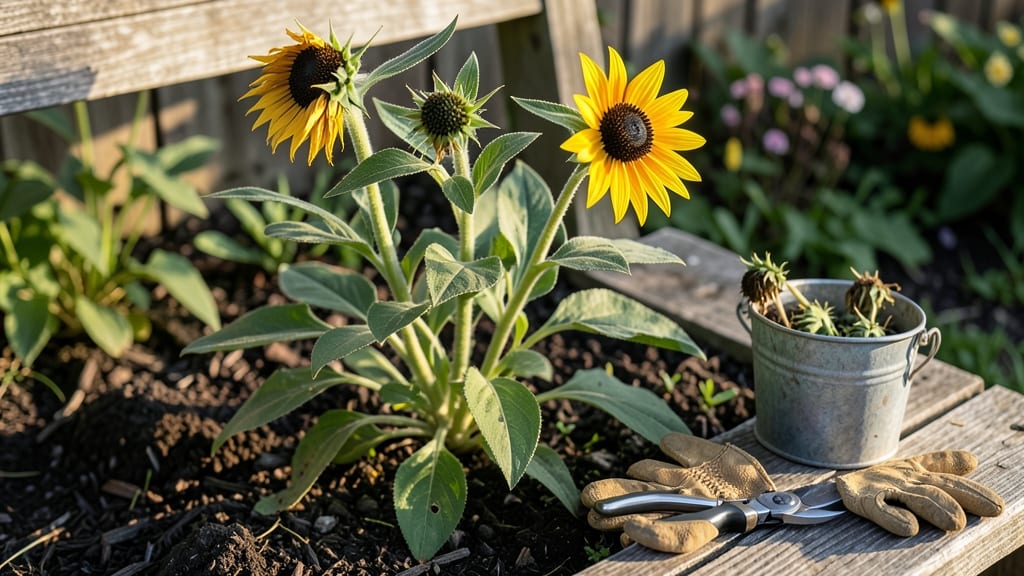
Your rudbeckia could bloom until frost—if you deadhead it right. ✂️ I’ve watched these cheerful yellow-and-brown flowers go from one-time bloomers to nonstop producers just by making this simple cut. The secret? Timing and technique matter more than you’d think.
You’ll need just three things: sharp pruners (or clean scissors), gloves (rudbeckia stems are tough!), and a sunny day after a bloom fades. The goal is to cut just above the next set of leaves—never too close to the base, or you’ll stunt regrowth.
Most gardeners mess this up by cutting too high or too low, which kills reblooming potential.
After a proper cut, new buds form in 7-10 days, and your plants will keep flowering until hard frost. I’ve seen rudbeckia in my garden go from one big bloom in July to a six-foot-tall, bushy display by September—all because of this one habit.
The best part? It takes less than 10 minutes per plant once you get the hang of it.
Pro tip: Deadhead every other day during peak bloom season to keep the flowers coming. And skip this step in fall—let the seed heads add winter interest! The key is balance: prune enough to encourage blooms, but not so much that you wear out your plants before winter.
📚 In This Guide
- What you need
- Instructions
- Tips and common mistakes
- Wrapping up and next steps
What you need
- ● Pruning shears or sharp scissors: Clean, sharp tools prevent damage and disease. Size: Small handheld shears (4–6 inches) work best for precision.
- ○ Gloves (optional but recommended): Protect your hands from thorns or rough stems. Type: Lightweight gardening gloves with good grip.
- ● Disinfectant (rubbing alcohol or bleach solution): Wipe tools before and after use to avoid spreading bacteria. Ratio: 1 part bleach to 9 parts water (or 70% isopropyl alcohol).
- ● Compost bin or bag: Collect spent blooms for nutrient-rich compost. Tip: Skip if blooms are diseased—toss those in the trash!
- ● Hand pruners with a bypass blade: For thicker stems (if your Rudbeckia is mature).
- ● Knee pad or stool: Save your back for low-growing varieties or large gardens.
- ● Sharpie or garden marker: Label stems if you’re experimenting with propagation!
- ● Spray bottle with water: Rinse tools mid-task to keep them clean and sharp.
Tips & tricks for perfect rudbeckia deadheading
These pro techniques will transform your rudbeckia from occasional blooms to a nonstop floral show—without overworking the plant.
Timing is Everything: The 50% petal drop rule in Step 1 is your golden window. I've found that waiting until the center cone fully emerges (not just browns) gives the plant maximum energy to redirect. If you cut too early, you're essentially telling the plant, "Hey, let's make seeds now!"—which means fewer blooms later. Think of it like giving your plant a second chance to push out new buds.
Pruning Precision: That ½-inch cut above the leaf node in Step 2 makes all the difference. I use my thumbnail to gently pinch stems—it's faster than pruners for slender stems and gives you better control. Pro tip: If you're working with multiple stems, hold them between your thumb and forefinger like a pencil, then pinch with your other hand. This keeps your fingers safe from accidental nicks and maintains clean cuts.
Seasonal Strategy: The June-September window in Step 4 is perfect, but here's what nobody tells you—late July is the sweet spot for maximum blooms. That's when rudbeckia naturally slows seed production, so your deadheading efforts get the biggest payoff. In August, I switch to every-other-week deadheading to let some flowers set seed, which actually boosts next year's growth. And when nights dip below 40°F, that's your cue to stop completely—rudbeckia's hardy, but it needs that dormancy period to recharge.
Cleanup Secrets: That hand broom in Step 3 isn't just for looks—it's your fungal disease prevention tool. I keep a small broom dedicated solely to garden cleanup (never for sweeping floors!) and dip it in a 10% bleach solution after each use. For stubborn debris, I use a pair of old gardening gloves to gently pull up old petals by the roots. This might seem extreme, but it prevents those pesky fungal spores from getting a foothold in your soil.
Pro Tips for Deadhead Rudbeckia
- These pro techniques will transform your rudbeckia from occasional blooms to a nonstop floral show—without overworkin...
- Timing is Everything: The 50% petal drop rule in Step 1 is your golden window. I've found that waiting until the cent...
- Pruning Precision: That ½-inch cut above the leaf node in Step 2 makes all the difference. I use my thumbnail to gent...
Frequently asked questions
Got questions about keeping your rudbeckia blooming like a pro? Here are some of the most common queries—and their answers—to help you deadhead with confidence!
When is the best time to deadhead rudbeckia?
Deadhead your rudbeckia as soon as the petals start wilting or turning brown (usually late summer to early fall). This encourages new blooms and keeps your plants looking fresh. For fall-blooming varieties, wait until after the first frost if you want to enjoy their late-season color!
Do I need special tools to deadhead rudbeckia?
Nope! While clean, sharp pruners make the job easier, you can also use your fingers or small scissors. Just avoid tearing the stems—aim for a clean cut just above a leaf node or pair of leaves. A small pair of bypass pruners is ideal for larger plants.
Will deadheading rudbeckia make it grow taller?
Not necessarily! Deadheading focuses on removing spent blooms to promote more flowers, not height. Rudbeckia naturally grows upright, but if you notice leggy stems, you can pinch back the tips of young plants in early summer to encourage bushier growth. Think of it as a bonus pruning hack!
What if I skip deadheading—will my rudbeckia still bloom?
Yes, but you’ll likely see fewer blooms and more seed heads. Deadheading redirects the plant’s energy toward producing new flowers instead of seeds. If you’re okay with a more "wild" look or saving seeds for next year, skipping deadheading is totally fine—just expect a slower turnover of blooms.
Can I deadhead rudbeckia in cold weather?
Hold off until temperatures rise above freezing (around 32°F/0°C). Deadheading in cold or wet conditions can stress the plant. If you’re in a mild climate, you can deadhead lightly in early spring to prep for the growing season—but avoid heavy pruning until warmer weather arrives.
Pro Tip:
If you’re saving seeds, let some spent blooms go to seed—just leave 1-2 per plant. The rest can be deadheaded to keep your garden looking its best!
Wrapping up and next steps
Deadheading rudbeckia is your secret weapon for a garden that bursts with vibrant blooms all season long!
With just a few simple steps—clean tools, timely pinching, and a little pruning know-how—you’ll keep those cheerful daisy-like flowers thriving. Don’t let deadheading feel overwhelming; it’s just a way to say “thank you” to your plants for their hard work!
Now that you’re ready to tackle it, grab your pruners and get outside—your rudbeckia will thank you with nonstop color until frost! Want to take it further? Try experimenting with cutting flowers for bouquets or explore other low-maintenance perennials to add to your garden. Happy pruning! 🌼✂️