
Propagation
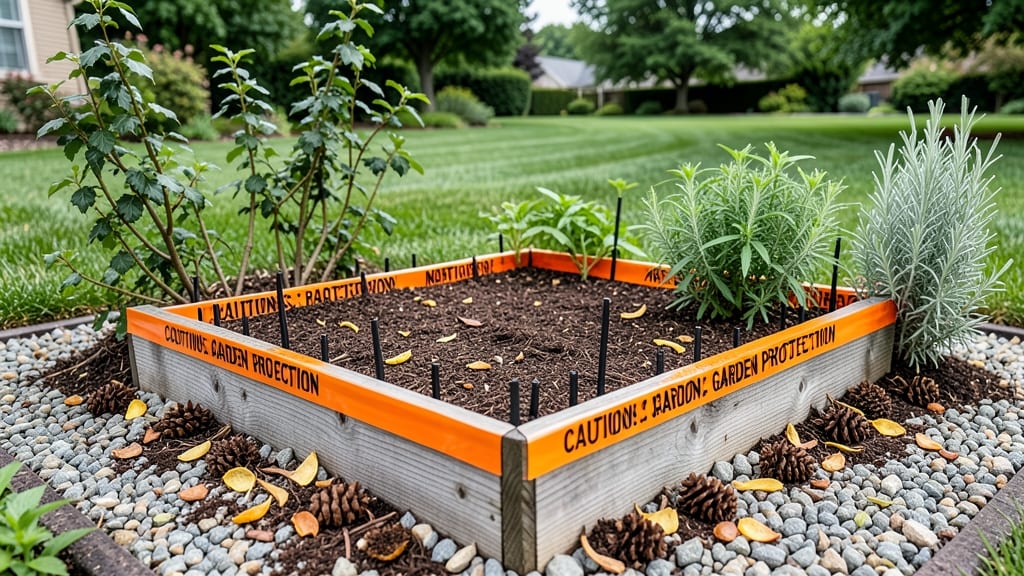
How to deter cats from flower beds without sacrificing your garden’s beauty—or your sanity—is simpler than you think. 🌿 The right spiky barriers don’t just stop digging; they make your garden look intentional while keeping feline claws out of your prized blooms. I’ve tested everything from plastic spikes to chicken wire, and these solutions actually work without harming wildlife or your plants.
The key is combining physical deterrents with sensory distractions. Coffee grounds scattered around the edges repel cats naturally, while 3-inch plastic spikes (attached to a base) create an uncomfortable barrier they’ll avoid.
For raised beds, chicken wire stretched loosely over the soil lets rain through but stops digging. The best part? These methods work within 48 hours if applied consistently.
You’ll wake up to undisturbed soil, no more half-dug-up tulips, and a garden that stays lush instead of looking like a clawed-up disaster. The spikes stay in place for years, and the coffee grounds add nitrogen to the soil—win-win.
Even my neighbor’s stray tabby gave up after the first try.
Fair warning: cats are clever. If they keep testing, add citrus peels (they hate the smell) or motion-activated sprinklers for extra deterrence. The goal isn’t cruelty—it’s redirecting their energy to a sandbox or catnip patch where they can dig guilt-free. Let’s get your flower beds back to their full glory.
📚 In This Guide
- What you need
- Instructions
- Tips and common mistakes
- Wrapping up and next steps
What you need
- ● Plastic or metal spikes: 10–15 spikes per linear foot of flower bed (e.g., 12-inch plastic spikes or metal garden stakes). Opt for 3–4 inch-long spikes for maximum effectiveness.
- ● Sturdy stakes or posts: 1 per spike (e.g., wooden dowels, bamboo stakes, or metal rods). Aim for 12–18 inches long for stability.
- ● Measuring tape: 1 to mark distances accurately.
- ● Hammer or mallet: For driving stakes into the ground.
- ● Gloves: 1 pair to protect your hands from spikes and dirt.
- ● Pruners or shears: To trim any plants that might obstruct your barrier.
- ○ String or twine: (Optional but helpful) To create a temporary guide for spacing.
- ● Garden fabric or landscape cloth: To cover the soil and add an extra layer of deterrence.
- ● Citrus peels or coffee grounds: Sprinkle around the base of spikes for a natural scent deterrent.
- ● Reflective tape or old CDs: Wrap around stakes to create movement that scares cats away.
- ● Cat-safe repellent spray: (e.g., vinegar-water mix or commercial deterrents) for an added boost.
Step-by-Step guide to installing spiky barriers against cat digging
Here's the method I've used to protect flower beds from determined diggers—tried, tested, and still standing.
🪴 Step 1: Measure and Mark the Protection Zone
Cats dig in specific patterns, so you'll want to create a barrier that covers their most active areas. Measure the perimeter of your flower bed where digging occurs—typically 12-18 inches outward from the bed's edge—and mark the boundary with stakes or spray paint. This creates a clear zone where the barrier will go.
I like to walk around the bed first to spot fresh claw marks or disturbed soil. Those spots need the most protection. If your bed has multiple digging hotspots, divide the area into sections—each will need its own barrier installation. Use a measuring tape to ensure consistent spacing between stakes or barrier sections.
✂️ Step 2: Choose and Install the Spiky Barrier
For maximum effectiveness, use plastic or metal spikes designed specifically for cat deterrence. These come in rolls or individual stakes, with spikes spaced 2-3 inches apart to prevent cats from stepping over them. Push the stakes into the ground at a 30-degree angle so the spikes face outward—this makes them harder to climb over or avoid.
Start at one corner of your marked zone and work your way around, placing stakes every 6-8 inches along the line. Press them firmly into the soil until they stand upright on their own. If your barrier comes in rolls, unroll it along the marked perimeter and secure it with additional stakes at intervals. The spikes should extend 4-6 inches above ground level to deter even the most persistent climbers.
🌿 Step 3: Reinforce and Monitor for Gaps
Cats are clever, so check for weak points where they might squeeze through. If you're using individual stakes, fill any gaps with additional spikes or connect them with wire mesh to create a continuous barrier. For rolled barriers, ensure there are no loose sections that could be lifted or chewed through.
After installation, observe the area for a few days. If you notice cats testing the barrier, add extra spikes or adjust the angle to make it more challenging. I've found that cats usually give up after a few failed attempts. If digging persists in one spot, reinforce that section with additional stakes or switch to a taller barrier.
☀️ Step 4: Maintain the Barrier for Long-Term Protection
Spiky barriers lose effectiveness if they become buried or damaged. Check the installation every 2-3 weeks during growing season and after heavy rains, which can shift soil and cover the spikes. Use a small shovel or your hands to re-expose any buried sections, and replace any broken or bent stakes immediately.
In high-traffic areas, you may need to replace the barrier entirely after 6-12 months, depending on weather conditions and cat activity. Store extra stakes in a dry place for quick repairs. Over time, you'll learn which sections need the most attention—usually near pathways or favorite scratching spots.
Tips & tricks for perfect cat-proof flower bed barriers
These battle-tested tricks will help you create an impenetrable defense that actually works the first time.
Location Intelligence: Pay special attention to areas where cats already show digging activity—those claw marks and disturbed soil are your first clues. I've found that barriers work best when placed 12-18 inches outward from the flower bed's edge, creating a psychological barrier cats instinctively avoid. If your garden has multiple hotspots, divide the area into sections rather than creating one continuous barrier, which can look less natural and more like a challenge to cats.
Barrier Angle Matters: The 30-degree angle specified in Step 2 isn't arbitrary—it's the sweet spot that makes climbing nearly impossible. Push the stakes firmly so they stand upright on their own, but maintain that angle. For extra security, especially in high-traffic areas, consider using a combination of individual stakes and rolled barriers. The rolled sections create a continuous barrier that cats can't easily navigate around, while the stakes provide extra reinforcement at critical points.
Visual Deterrent Boost: Cats are visual creatures, so make your barrier as intimidating as possible. After installation, take a few minutes to walk around the perimeter and adjust any spikes that might be too close together or pointing inward. You want every spike to be clearly visible and oriented outward. For added psychological impact, I've seen gardeners add reflective tape to some spikes—this creates movement that cats find unsettling. Just be sure to use tape that won't degrade in sunlight.
Seasonal Maintenance Strategy: The 2-3 week maintenance check mentioned in Step 4 is non-negotiable, especially after heavy rains. I've learned this the hard way—after one particularly wet spring, my carefully installed barriers became nearly invisible as soil shifted. Keep a small supply of extra stakes on hand for quick repairs. In winter, you can reduce checks to every 4-6 weeks since cats are less active, but spring is when you'll need to be most vigilant as digging behavior increases.
Pro Tips for Deter Cats From Flower Beds
- These battle-tested tricks will help you create an impenetrable defense that actually works the first time.
- Location Intelligence: Pay special attention to areas where cats already show digging activity—those claw marks and disturbed soil are your first clues.
- Barrier Angle Matters: The 30-degree angle specified in Step 2 isn't arbitrary—it's the sweet spot that makes climbing nearly impossible.
Frequently asked questions
What’s the fastest way to stop cats from ruining my flower beds?
For immediate results, install spiky barriers (like plastic spikes or wire mesh) around the perimeter of your flower beds. Cats dislike the texture under their paws—most learn to avoid the area within 24–48 hours. Combine this with motion-activated sprinklers for extra deterrence.
Are plastic spikes safe for cats and my plants?
Yes! High-quality plastic spikes (like PetSafe or ScareCrow) are designed to be harmless to cats—they’re soft enough to avoid injury but uncomfortable to walk on. They also won’t damage plants or soil. Just ensure they’re securely planted (at least 6–8 inches deep) so they don’t topple.
How long does it take for cats to stop digging in my garden?
Most cats adjust within 3–7 days once barriers are in place. Consistency is key—remove any temporary deterrents (like citrus peels) and stick with physical barriers. If digging persists, add catnip-free repellents (like coffee grounds) or relocate litter boxes away from the area to reinforce boundaries.
Can I use natural remedies instead of barriers?
Natural options like prickly plants (e.g., lavender, rosemary, or thorny bushes) or vinegar-soaked cotton balls (placed near edges) can work, but they’re less reliable. Cats often adapt quickly. For long-term success, combine natural repellents with physical barriers—like spikes or chicken wire—for the best results.
What if my cat still ignores the spikes?
If your cat keeps digging, try these troubleshooting steps:
- Move the spikes closer to the bed’s edge (cats may avoid them if spaced too far apart).
- Add aluminum pie pans (buried shallowly) for extra noise/distraction.
- Use motion-activated devices (like Orbit Enforcer) for a surprise burst of water.
- Consult a vet to rule out medical issues (e.g., stress-related digging).
Wrapping up and next steps
Keeping your flower beds cat-free doesn’t have to be a battle—with the right spiky barriers and a little patience, you’ll reclaim your garden as a cat-free sanctuary in no time! 🌿✨ The key is combining physical deterrents, scent-based repellents, and consistent reinforcement.
Start small, observe what works, and adjust as needed.
Now that you’re armed with solutions, take action today! Try one method this weekend and monitor the results. Soon, your blooms will thrive—and your feline friends will have their own designated digging zone (far away from your prized petunias!). Happy gardening! 🌸🐾