
Companion Plants
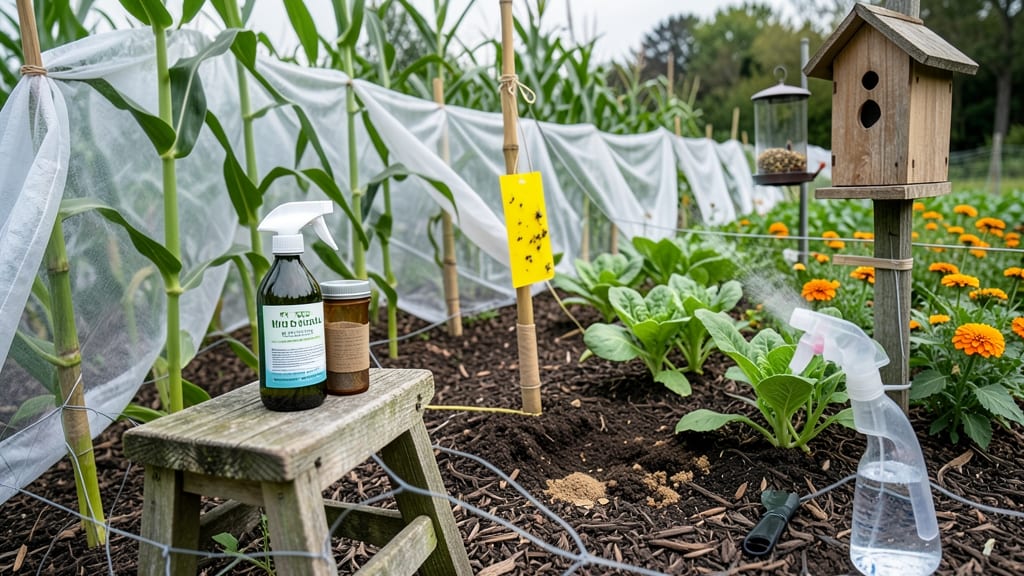
How to deter grasshoppers from plants without chemicals? They can turn your lush garden into a skeleton in days. 🌱 I’ve watched them strip corn stalks bare and chew through prized flowers—until I discovered these plant-based barriers that actually work. The trick is layered defense: tall plants like sunflowers disrupt their flight paths, while strong scents from garlic, mint, and catnip mask what they’re hunting. Even marigolds release compounds that repel them naturally. It’s not about spraying—it’s about rewriting the garden’s scent profile so they lose interest. By late summer, you’ll see fewer hops across your beds, and your tomatoes, beans, and lettuce will stay intact and thriving. The best part? These plants are easy to grow and double as edible or ornamental stars in your garden. Start with a border of tall, fragrant plants around high-risk areas, and watch the grasshoppers take the hint. No more desperate spraying—just smart plant pairings that outsmart pests.
The Hidden Triggers Inviting Grasshoppers
Grasshoppers don’t just randomly munch on your garden—they’re drawn by a mix of environmental cues, plant chemistry, and even your landscape’s layout. Understanding these triggers is the first step to outsmarting them. Here’s why they’re crashing your garden party and how to recognize the red flags.
Grasshoppers are generalist feeders, meaning they’ll eat almost any green plant—but they have a preference for young, soft growth. Why? Because tender leaves and stems require less energy to chew and digest. Here’s the science:
- Nutrient density: New shoots and seedlings are packed with nitrogen-rich proteins and simple sugars, which grasshoppers crave for rapid growth. Mature plants, with their tougher cell walls (thanks to lignin), are like kale to a grasshopper’s salad preference—nutritious but harder to digest.
- Water content: Succulent, water-rich plants (like basil, beans, or corn) are easier to process because grasshoppers don’t need to expend energy extracting moisture. Think of it like choosing a juicy watermelon slice over a dried apricot.
- Lack of defenses: Young plants haven’t had time to develop secondary metabolites (like alkaloids or tannins) that deter pests. Older plants often produce these chemical "shield" compounds as a natural pest-repellent.
Actionable insight: If your garden is a sea of uniform young plants (e.g., newly sprouted lettuce or seedling tomatoes), you’ve essentially set up a grasshopper smorgasbord. Stagger planting and mix in mature, tougher foliage to break their feast.
Grasshoppers aren’t great fliers—they’re hoppers, after all. But they leap with purpose, and your landscape might be guiding them straight to your prize plants. Here’s how:
| Landscape Feature | Why It Attracts Grasshoppers | Grasshopper Behavior Trigger |
|---|---|---|
| Open, sunny areas | Grasshoppers thrive in warm, dry conditions and avoid shaded or windy spots. | They aggregate in groups (called "hoppers") to conserve moisture and heat, then spread outward in search of food. |
| Grassy borders or lawns | Grass is a primary food source for nymphs (baby grasshoppers), which hatch in spring. | Adults use grassy areas as launchpads to hop to nearby crops or gardens. |
| Ditches or water sources | Moisture attracts egg-laying females in late summer/fall. | Eggs hatch near water, ensuring nymphs have immediate hydration. |
| Monoculture plantings | Large patches of one plant type (e.g., a cornfield or vegetable row) look like a non-stop buffet to grasshoppers. | They follow scent trails and cluster where food is abundant. |
Actionable insight: Grasshoppers use visual and scent cues to navigate. Break up large open spaces with diverse plantings, windbreaks, or rock barriers to disrupt their "highway." Even a single row of tall grass or wildflowers can act as a natural buffer.
Plants don’t just sit there—they chemically communicate with pests. Some compounds in your garden are like neon signs to grasshoppers, while others act as repellents. Here’s the breakdown:
- Volatile organic compounds (VOCs):
Certain plants release scented chemicals when damaged (e.g., crushed leaves). Grasshoppers detect these terpenes and aldehydes and investigate—only to find an easy meal. For example:
- Corn releases benzaldehyde when chewed, which can attract more grasshoppers.
- Alfalfa emits green leaf volatiles (GLVs), which signal “fresh, tender food” to hoppers.
- High-sugar exudates:
Some plants (like beans or squash) ooze sticky, sugary sap when damaged. Grasshoppers are drawn to this quick energy source, almost like a garden soda fountain.
- Lack of bitter alkaloids:
Plants like tomatoes or potatoes produce solanine or capsaicin-like compounds to deter pests. But if your plants are stressed, over-fertilized, or diseased, their chemical defenses weaken, making them more palatable.
Actionable insight: Stressed plants = grasshopper magnets. Ensure your garden has balanced nutrients, proper watering, and diverse plant chemistry to confuse their senses. For example, interplanting garlic or chives (which release sulfur compounds) can mask the “eat me” scents of vulnerable crops.
💡 Pro Tip: Grasshoppers are less active in cool, humid conditions and most aggressive in hot, dry weather. Monitor your garden’s microclimate—if it’s a sunbaked desert, hoppers will treat it like an all-you-can-eat salad bar.
Simple Solutions to Keep Grasshoppers Away
Grasshoppers may seem like harmless jumpers, but their appetite for your garden can turn your hard work into a buffet. The good news? You don’t need harsh chemicals to keep them at bay.
Below, we’ll match common causes of grasshopper invasions with practical, plant-based fixes—plus prevention tips to stop them before they start.
Grasshoppers target stressed, young, or overcrowded plants because they’re easier to munch. Solution: Strengthen your plants and make them less appealing.
🔥 Strengthen Plant Resilience
- Thin out seedlings 🌱 – Give plants enough space (2–3 inches apart) for airflow and sunlight. Crowded plants attract grasshoppers like a neon sign.
- Water deeply but less often 💧 – Grasshoppers love tender, thirsty plants.
Water at the base in the morning to encourage strong roots. - Fertilize wisely 🌿 – Use a balanced, organic fertilizer (like compost or fish emulsion) to boost plant health. Avoid over-fertilizing, which can make foliage softer and more tempting.
💡 Pro Tip:
Plant marigolds, basil, or thyme near vulnerable crops (like tomatoes or beans). Their strong scents mask the smell of your plants, confusing grasshoppers.
Grasshoppers hop—literally—but they can’t climb or navigate certain textures. Solution: Create physical and scent-based deterrents.
🍳 DIY Plant Collars (For Seedlings & Young Plants)
- Gather materials: Cardboard egg cartons, toilet paper rolls, or even aluminum foil strips.
- Cut to size: Wrap the collar around the base of the plant, leaving 1–2 inches above the soil.
- Secure tightly: Use tape or twist ties to prevent gaps. Grasshoppers can’t jump over this barrier!
👨🍳 Create a "No-Fly Zone" with Mulch
- Spread coarse mulch (like pine straw or wood chips) around plants. Grasshoppers dislike crawling over rough surfaces.
- Add a layer of diatomaceous earth (food-grade only!) around the base—it’s a natural insecticide that dehydrates them.
🌡️ Use Companion Plants as Guardians Some plants naturally repel grasshoppers.
Plant these near your veggies: - Garlic & onions 🧄 – Their pungent odor deters hoppers. - Nasturtiums 🌸 – Act as a "trap crop," luring grasshoppers away from your main plants. - Catnip or catmint 🐱 – Grasshoppers avoid the strong minty scent.
Grasshoppers thrive in dry, weedy areas. Solution: Make your garden less inviting and encourage their natural enemies.
⏰ Keep Grass Short & Weeds Trimmed
- Mow lawns regularly (grasshoppers lay eggs in tall grass).
- Remove broadleaf weeds (like lamb’s quarters)—they’re a grasshopper buffet.
🐝 Invite Beneficial Bugs
- Ladybugs, lacewings, and parasitic wasps eat grasshopper eggs and nymphs. Plant dill, fennel, or yarrow to attract them.
- Install a small water source (like a shallow dish with pebbles) to keep these predators around.
To keep grasshoppers from returning, follow this monthly maintenance routine: ✅ Early spring: Till the soil to destroy overwintering eggs. ✅ Summer: Inspect plants weekly for early signs of damage (chewed leaves, frass). ✅ Fall: Remove plant debris and mulch thoroughly—grasshoppers lay eggs in dead plant material.
Final Thought: Grasshoppers are a nuisance, but with these plant-powered strategies, you can outsmart them without chemicals. Start with one or two methods, observe what works best in your garden, and adjust as needed. Happy gardening! 🌿🐞🚫
Frequently asked questions
What are the best plants to repel grasshoppers naturally?
Strong-scented plants like garlic, onions, catnip, and mint are top choices because their volatile oils confuse grasshoppers' senses. Try planting marigolds or nasturtiums near vulnerable crops—their bright flowers act as decoys while releasing repellent compounds. Even basil or thyme near tomatoes can mask the scent of your prized plants.
Will diatomaceous earth really work against grasshoppers?
Yes, but only if applied correctly! Food-grade diatomaceous earth dehydrates grasshoppers when they crawl through it. Sprinkle a thin layer (1-2 tablespoons per square foot) around plant bases, avoiding direct contact with leaves. Reapply after rain or watering, as it loses effectiveness when wet. Best used as part of a layered defense system.
How do I know if grasshoppers are damaging my plants or if it's another pest?
Look for these telltale signs: irregular jagged holes (not clean cuts like deer make) and frass (chewed plant bits) scattered around. Grasshoppers leave behind uneven damage since they don't eat entire leaves. Compare with slug damage (silver trails) or aphids (sticky residue). Early morning inspections reveal active hoppers.
Can I use essential oils to deter grasshoppers?
Certain essential oils like peppermint, cedarwood, or citrus can help when mixed with water (10-15 drops per quart). Spray on plant leaves, but avoid direct sun exposure which can burn foliage. For best results, reapply every 3-5 days or after rain. Combine with physical barriers like mulch for maximum protection—oils alone won't provide complete defense.
Why do grasshoppers seem worse in some years than others?
Grasshopper populations explode during dry, hot summers when their natural predators (birds, spiders) struggle to find food. Previous year's egg survival depends on soil moisture—wet springs mean more nymphs. Watch for swarms after drought periods, as they'll migrate to find food. Rotate your deterrent methods yearly to prevent resistance.