
Flowers
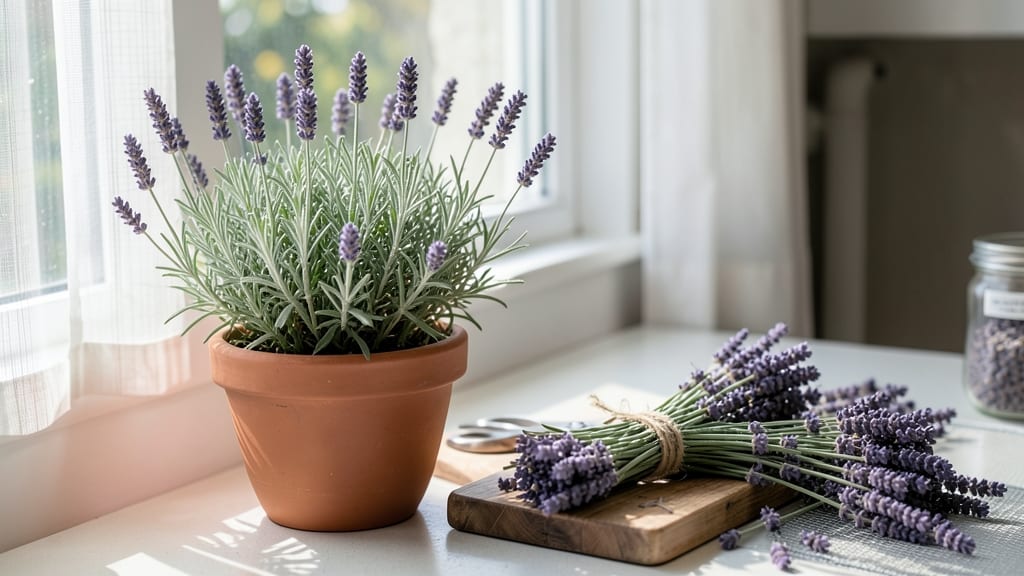
How to dry French lavender transforms summer’s sweetest scent into a fragrant treasure chest. ✨ The secret to preserving that signature purple hue and intoxicating aroma lies in timing, airflow, and patience—none of the fancy equipment you might fear. I’ve dried lavender for sachets, wreaths, and even homemade potpourri, and the difference between a good dry and a great one comes down to these simple steps.
You’ll need just three things: freshly harvested lavender stems, a dry, dark space with good airflow, and about 2-3 weeks of patience. Skip the microwave or oven—those methods kill the fragrance and bleach the color.
Instead, bundle stems loosely and hang them upside down in a cool, dry spot. The goal is to let the moisture evaporate slowly while keeping those oils intact.
By the end, you’ll have lavender that smells like summer, not like a dusty attic. The dried stems stay vibrant for months, perfect for filling drawers, crafting wreaths, or even steeping in oil for homemade lavender products.
The best part? No special skills required—just attention to detail and a little time.
Common mistakes like overcrowding bundles or rushing the process turn lavender into brittle, faded scraps. But with the right approach, your dried lavender will outshine store-bought bundles, keeping its color and scent for 1-2 years if stored properly. Let’s get started!
📚 In This Guide
- What you need
- Instructions
- Tips and common mistakes
- Wrapping up and next steps
What you need
- ● Fresh French lavender – Harvest stems with at least 6-8 inches of length (avoid overwatered or wilted flowers). Aim for 1-2 bunches (about 20-30 stems) per drying session.
- ● Sharp pruning shears or scissors – For clean cuts, preventing damage to the stems.
- ● Newspaper or brown paper bags – 1-2 large sheets or 2-3 sturdy bags to protect surfaces and contain debris.
- ● Drying method of choice: Bundle drying: 1-2 rubber bands or twine per bunch.
- ● Hanging method: 1-2 sturdy strings or twines (at least 12 inches long) and a dry, dark, well-ventilated space (e.g., closet, pantry, or garage).
- ● Oven or microwave method: 1-2 microwave-safe plates or 1 baking sheet with parchment paper.
- ● Glass jars or airtight containers – 1-2 jars (4-8 oz size) with wide mouths for easy storage (e.g., mason jars).
- ● Drying rack or screen – For elevated airflow if using the hanging method.
- ● Silica gel packets – To speed up drying (especially for quick preservation).
- ● Food dehydrator – For a controlled, low-heat drying environment.
- ● Labeling tags – To mark jars with the drying date and lavender variety.
- ● Essential oil diffuser (later use!) – To enjoy the dried lavender’s fragrance year-round.
Step-by-step instructions for drying French lavender
Here's how to transform your fragrant lavender into long-lasting bundles that keep their color and scent all year.
🌿 Step 1: Harvest at Peak Freshness
Pick your French lavender on a dry, sunny morning when the flowers are fully open but before they start to fade. Use clean, sharp scissors or pruners to cut 3-4 inch stems—long enough to bundle later. Avoid harvesting after rain, as damp stems develop mold during drying.
I like to harvest just before the flowers fully bloom, around mid-morning. This ensures the buds hold their shape and fragrance best. Gently shake off any insects or debris before bundling. The fresher the stems, the better they'll dry—waiting too long means losing both color and scent.
🪴 Step 2: Bundle Stems for Even Drying
Take 3-5 stems and tie them together at the base with twine, rubber bands, or even floral wire. Space the stems evenly so air circulates all around—this prevents mold and ensures even drying. I bundle mine in small groups of 4-5 stems for quick, uniform drying.
Hang the bundles upside down in a dry, dark, well-ventilated spot. A pantry, closet, or garage works perfectly. Avoid direct sunlight—it fades the purple hue and weakens the fragrance. If you notice any stems wilting too quickly, they were cut too late in the day.
☀️ Step 3: Dry for 2-4 Weeks
Let the lavender dry completely—this takes 2-4 weeks, depending on humidity. The stems are ready when they snap crisply when bent (not just bendy) and the flowers crumble easily between your fingers. Check weekly to ensure no mold forms.
If your home is humid, drying may take longer. A dehumidifier nearby speeds things up. Once fully dry, the buds should release their scent when gently crushed. Store the bundles in a paper bag or airtight container to preserve fragrance—plastic traps moisture and dulls the aroma.
✂️ Step 4: Store and Use Your Dried Lavender
Once completely dry, trim the stems to 1-2 inches above the bundle ties. Store in a cool, dark place—a glass jar with a tight lid works well. Label with the date to track freshness. Properly dried lavender keeps its scent for 6-12 months.
Use your dried lavender in sachets, potpourri, or even as a natural insect repellent. For sachets, place a small bundle inside muslin bags to diffuse fragrance slowly. Avoid crushing dried lavender—it releases oils too quickly and loses potency faster.
Tips & tricks for perfect French lavender drying
Here's what nobody tells you about keeping your lavender vibrant and fragrant through the drying process.
The Harvest Timing Secret: Mid-morning is your golden window—harvest when dew has evaporated but before the sun peaks. The buds should be fully open but still firm to the touch. I've ruined batches by harvesting too late in the day when stems start wilting; the flowers lose their vibrant purple hue and scent when dehydrated in this state. If you must harvest later, choose the freshest stems and expect slightly longer drying times.
Bundle Size Matters: Stick to the 3-5 stem bundles as specified—this balance ensures even airflow while preventing stems from touching each other. I once tried larger bundles (8 stems) and ended up with moldy centers from trapped moisture. For quick drying, use smaller bundles of 3 stems, but these may lose their structural integrity faster. The key is maintaining that perfect air circulation while keeping stems stable enough to hang.
Humidity Control: Your drying environment makes all the difference. If you notice condensation forming on your bundles during the 2-4 week process, you're dealing with humidity. A small dehumidifier near your drying area (like a pantry or closet) can cut drying time by 30-50%. I keep mine in a linen closet with a running dehumidifier—my lavender dries in about 2 weeks instead of the full 4. Just avoid creating a draft that could dry stems too quickly and make them brittle.
Storage Wisdom: Once dry, the way you store your lavender determines how long it keeps its scent. I've learned the hard way that plastic containers trap moisture and turn my beautiful purple lavender into a sad, musty mess within months. Instead, use glass jars with tight lids or even paper bags. The paper breathes slightly, helping maintain that fresh lavender aroma for the full 6-12 months. Label your jars with the date—trust me, you'll forget when you stash them away!
Pro Tips for Dry French Lavender
- Here's what nobody tells you about keeping your lavender vibrant and fragrant through the drying process.
- The Harvest Timing Secret: Mid-morning is your golden window—harvest when dew has evaporated but before the sun peaks.
- Bundle Size Matters: Stick to the 3-5 stem bundles as specified—this balance ensures even airflow while preventing stems from touching each other.
Frequently asked questions
Got questions about drying French lavender?
Here are answers to the most common ones—so you can preserve those fragrant stems with confidence!
How long does it take to dry French lavender?
French lavender typically takes 1–3 weeks to dry completely, depending on your climate. In warm, dry conditions (60–70°F), it may dry in 10–14 days. Check by gently rubbing a stem—if it crumbles easily, it’s ready!
Can I speed up the drying process?
Yes! Bundle stems in small bunches and hang them in a well-ventilated, dark, dry spot (like a closet or garage). Avoid direct sunlight or heat sources, which can bleach the color. A dehydrator (set to 95°F) can also cut drying time to 2–3 days.
What if my lavender isn’t drying properly?
If lavender stays damp or develops mold, it’s likely due to high humidity. Try these fixes:
While sunlight helps initially, direct sun can fade the purple hue and dry stems too quickly, reducing fragrance. Opt for indirect light (like a shaded porch) for the first few days, then move to a dark spot to finish drying. Keep dried lavender in an airtight container (like a glass jar) in a cool, dark place (e.g., pantry or fridge). It’ll stay fresh for 1–2 years! For potpourri, crush stems lightly to release oils before storing. If you’re short on time, freeze fresh lavender for 24 hours first—it speeds up drying and preserves color! Just thaw before hanging.
Can I dry French lavender in the sun?
How do I store dried French lavender long-term?
Bonus Tip:
Wrapping up and next steps
Drying French lavender is a simple yet rewarding process that lets you enjoy its soothing fragrance and stunning purple hues long after the blooms have faded.
By following these steps—harvesting at peak freshness, choosing the right drying method, and storing properly—you’ll preserve its beauty and aroma for sachets, potpourri, or even homemade crafts. Your patience will pay off with a fragrant, year-round reminder of summer’s charm!
Ready to put your dried lavender to good use? Try making lavender sachets, infused oils, or even a calming herbal tea—the possibilities are endless! 🌸✨