
Trees
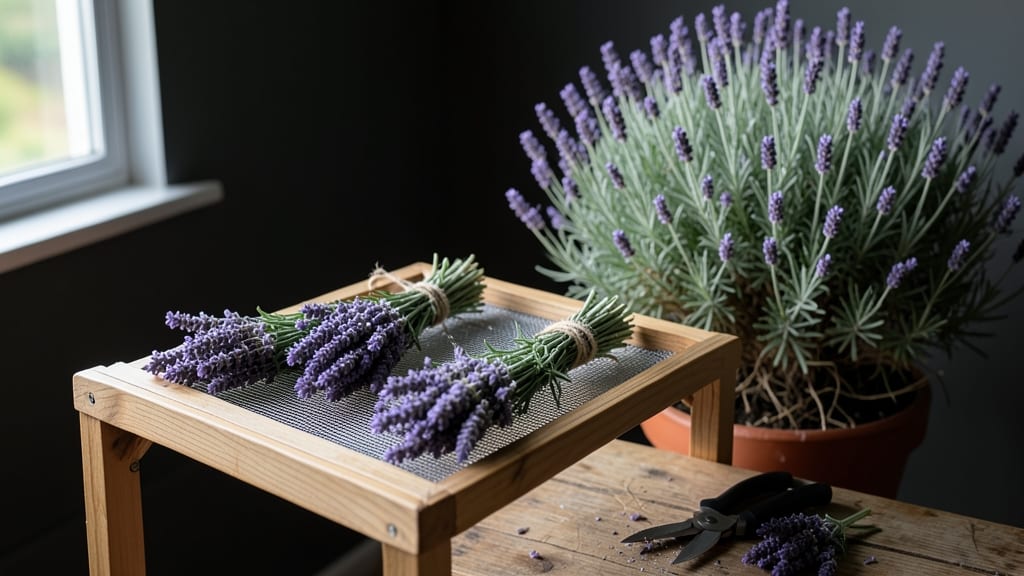
How to dry lavender fast—two hours of sunshine turns fresh lavender into fragrant bundles that smell like summer. ✨ The secret isn’t patience—it’s timing, airflow, and avoiding the mistakes that turn purple stems gray. I’ve dried lavender in every way possible, and sun-drying still wins for speed, scent preservation, and zero equipment fuss.
You’ll need just three things: fresh lavender sprigs (cut just before flowering), a sunny spot with good airflow, and a way to bundle them—twine, rubber bands, or even a clean old sock.
Humidity over 50% is the enemy, so check the forecast first. The right conditions mean lavender that stays vibrant, not bleached-out and brittle.
By the end of those two hours, you’ll have bundles that release their signature scent at the slightest touch. No wilting, no mold, and no waiting weeks for perfect results. The key is harvesting at peak bloom—when those purple buds are just about to open—and working quickly once they’re cut.
This method works for small batches or full garden harvests, and the dried lavender keeps its color and fragrance for months. Just avoid damp mornings, and you’ll skip the most common drying disasters. Ready to turn fresh lavender into long-lasting treasures?
📚 In This Guide
- What you need
- Instructions
- Tips and common mistakes
- Wrapping up and next steps
What you need
- ● Pro tip: Harvest lavender early in the morning when dew is present—this helps preserve oils and speeds up drying! 🌡️
Step-by-step instructions for drying lavender fast
Here's how to preserve your lavender's vibrant color and fragrance in record time—no patience required.
🌿 Step 1: Harvest at Peak Freshness
Pick lavender stems on a dry morning after the dew has evaporated. Look for buds that are just starting to open—they’ll hold their color best. Cut 6-8 inch stems with sharp scissors or pruning shears, leaving 2-3 inches of growth on the plant to encourage bushier regrowth.
Strip off the lower leaves immediately. These leaves contain more moisture and will slow drying. Bundle 4-5 stems together at the base and secure with a rubber band or twist tie. This keeps the stems upright and allows air to circulate evenly around the buds.
☀️ Step 2: Bundle and Hang in Direct Sunlight
Find a spot with full sun exposure—a bright windowsill, balcony railing, or shaded patio works well. Hang bundles upside down using twine, clothespins, or a hook. The stems should dangle freely to allow air to flow around all sides of the flowers.
Check after 1 hour—the buds should feel dry to the touch and slightly crisp. If they still feel damp, leave them another 30 minutes. The goal is to dry them in 2 hours total, but don’t rush; over-drying can make the buds brittle. You’ll know it’s perfect when the stems snap easily and the buds release their fragrance when crushed.
⏰ Step 3: Test for Complete Dryness
After 2 hours, gently rub a bud between your fingers. If it crumbles into fine, dry particles with no moisture, it’s ready. If it still feels slightly soft or sticky, return it to the sun for another 30 minutes. Over-drying turns lavender dull and powdery, but under-drying leaves it vulnerable to mold.
Once fully dry, remove the rubber bands and gently brush off any remaining leaves or debris. Store the dried lavender in an airtight glass jar away from direct sunlight. If you notice any buds that didn’t dry evenly, toss them—they’ll spoil the whole batch.
🌱 Step 4: Store for Long-Lasting Fragrance
Keep your dried lavender in a cool, dark place like a pantry or closet. A glass jar with a tight-fitting lid preserves the scent best. If you notice the fragrance fading after 6-12 months, it’s time to refresh your stash—lavender doesn’t last forever, but when done right, it’ll stay vibrant for months.
For extra longevity, add a bay leaf or a few drops of essential oil to the jar before sealing. This boosts the natural aroma and keeps pests away. If you see any signs of moisture or mold, discard the batch immediately—damp lavender won’t dry out again and will ruin your efforts.
Tips & tricks for perfect sun-dried lavender
Here's what I learned after drying lavender the hard way—these tricks ensure vibrant color and maximum fragrance every time.
Harvesting Timing: The dry morning rule is non-negotiable. Dew on the buds slows drying and can cause mold later. I've ruined batches by harvesting after rain—always wait until the sun has fully evaporated morning moisture. For best results, pick when the buds are just starting to open; fully open flowers lose their color fastest.
Bundle Size Matters: Stick to the 4-5 stems per bundle as specified. Too few stems won't allow proper air circulation, while too many create a dense center that stays damp. I learned this after one batch developed mold in the middle. Use rubber bands loosely—they should hold stems together but not constrict them.
Sunlight Strategy: While full sun is ideal, direct afternoon sunlight can overheat lavender and make it brittle. Morning sun through midday works best. If you must use afternoon sun, place bundles in partial shade after 2 hours. The goal is to dry, not cook, the lavender. A gentle breeze helps too—hang near an open window or fan if possible.
Storage Wisdom: That airtight glass jar is your best friend, but don't overfill it. Pack dried lavender loosely so air can circulate. I've seen jars develop condensation when packed too tightly, which ruins the whole batch. For long-term storage, add a small packet of silica gel to absorb any moisture that might develop over time.
Pro Tips for Dry Lavender Fast
- Here's what I learned after drying lavender the hard way—these tricks ensure vibrant color and maximum fragrance every time.
- Harvesting Timing: The dry morning rule is non-negotiable.
- Bundle Size Matters: Stick to the 4-5 stems per bundle as specified.
Frequently asked questions
Got questions about speed-drying lavender?
You’re not alone! Here are the most common queries—and quick, practical answers to save you time and frustration.
How long does it really take to dry lavender in the sun?
With the right conditions (bright, dry sun and proper airflow), lavender can dry in just 2–4 hours. Humidity or cloud cover? That’s when drying stretches to 6–12 hours. Always check stems for crispness—if they snap easily, it’s ready!
Can I speed up drying lavender indoors?
Use a dehumidifier or fan to circulate air, and place bundles in a warm, dry spot (like near a heater or in a sunny window). Avoid direct heat—lavender burns easily! Aim for 12–24 hours indoors.
What if it rains before my lavender dries?
No panic! Move bundles to a covered porch, garage, or indoor space immediately. If they’re already damp, lay them flat on a paper towel-lined tray and use a fan to dry them out. Pro tip: Never skip the drying process—moldy lavender loses potency and scent.
Is there a faster method than sun-drying?
Yes! For emergency drying, try:
- Oven method: 170°F (77°C) for 1–2 hours (check often!).
- Microwave: 30-second bursts on low power (monitor closely!).
- Dehydrator: 95°F (35°C) for 2–3 hours (best for large batches).
Why does my dried lavender smell weak or musty?
Weak scent usually means incomplete drying or moisture exposure. Store bundles in a dark, airtight container (like a glass jar) with a silica gel packet to preserve fragrance. For musty smells, redry the lavender in the sun or oven before storing.
Wrapping up and next steps
Drying lavender quickly doesn’t have to be complicated—just follow the right steps! Whether you’re using sunlight, a dehydrator, or even your oven, you can achieve sun-dried perfection in just two hours or less.
The key is patience, proper airflow, and a little creativity to speed up the process.
Now that you’re armed with these tips, why not try drying a small batch today? Once your lavender is perfectly dried, you can turn it into scented sachets, soothing teas, or even homemade potpourri. Happy drying—your future lavender projects are about to smell amazing! 🌿✨