
How To
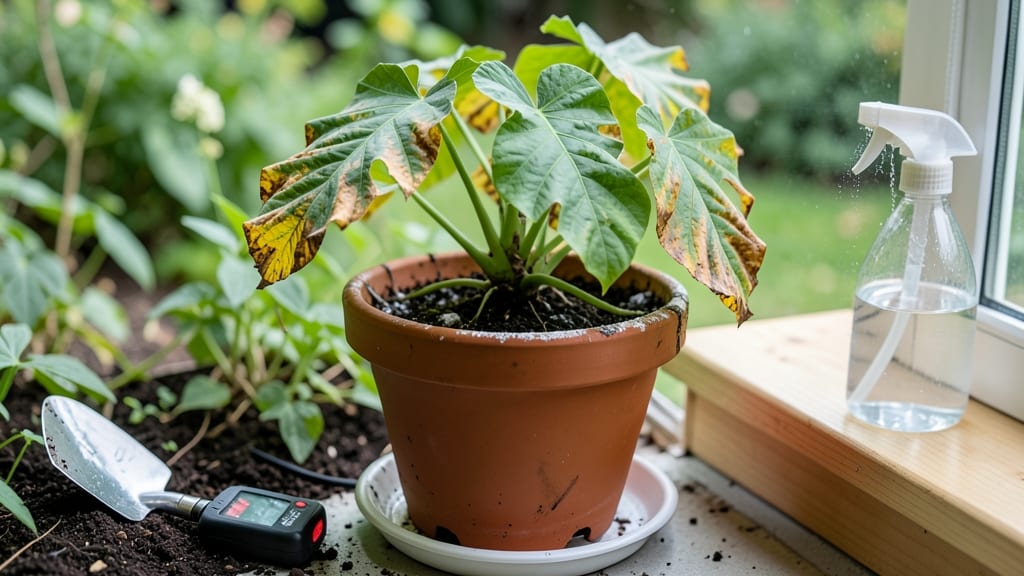
Your plant's sad, droopy leaves don’t mean it’s too late—here’s how to dry out a plant that has been overwatered. 🌱 After years of watching overwatered plants spiral, I've perfected a 3-step air-dry trick that brings them back to life—even when roots look mushy.
The key? Stopping water immediately and giving roots space to breathe.
Start by removing the plant from its pot and gently loosening compacted soil around the roots. Place it in a well-ventilated spot with bright, indirect light—no direct sun yet.
This prevents further stress while roots dry out. For severe cases, trim any blackened roots with clean scissors (yes, it hurts, but it helps).
Within 3-5 days, you'll see leaves perk up as roots recover. The plant will start absorbing water normally again, and new growth will signal success. This method works for everything from ferns to succulents, though tropical plants bounce back faster than drought-adapted ones.
Prevention is easier: stick your finger in the soil before watering—if it's still damp, wait. Use pots with drainage holes and a soil mix designed for your plant type. Trust me, your future self will thank you when you skip the soggy soil routine.
📚 In This Guide
- What you need
- Instructions
- Tips and common mistakes
- Wrapping up and next steps
What you need
- ● Overwatered plant: The plant in distress (root-bound or soggy soil is ideal for this method).
- ● Clean hands or gloves: To protect your skin from dirt and potential bacteria (latex or nitrile gloves work best).
- ● Sharp pruning shears or clean scissors: Sterilized tools to trim damaged roots or foliage (avoid dull blades to prevent tearing).
- ● Well-ventilated area: A bright, indirect-light spot with good airflow (e.g., a windowsill, greenhouse, or shaded patio).
- ● Paper towels or a clean cloth: For gently blotting excess moisture from leaves and soil.
- ● New, well-draining potting mix: A blend with perlite, vermiculite, or orchid bark (avoid peat-heavy mixes for air-drying). Quantity: Enough to refill the pot (typically 1–2 cups per 6-inch pot).
- ○ Spray bottle with room-temperature water: For light misting (optional, but helpful for humidity-sensitive plants).
- ○ Small fan (optional but helpful): To increase airflow around the plant (a USB desk fan works great).
- ● Rooting hormone: To encourage faster regrowth if you’re replanting (gel or powder form).
- ● Clear plastic bag: For creating a mini greenhouse effect (use sparingly to avoid fungal issues).
- ● Hygrometer: To monitor humidity levels (ideal range: 40–60% for most plants).
- ● Disinfectant (e.g., hydrogen peroxide or rubbing alcohol): To clean tools and pots before use.
Step-by-Step instructions for reviving overwatered plants
Here's how I rescue plants with soggy roots—it works for houseplants, container veggies, and even stressed garden beds.
🌱 Step 1: Remove From Wet Conditions Immediately
Pull the plant from its pot or garden bed the moment you notice yellowing leaves, mushy stems, or soil that smells sour. I always check the roots first—healthy roots should be firm and white, while overwatered roots turn black, mushy, and smell like rot. If the roots are salvageable (just soft but not completely mushy), you can still save the plant.
Shake off excess soil to expose the root ball. Don’t rinse the roots yet—this step is about air exposure, not water removal. Place the plant on a clean towel or paper towels to catch any dripping water. If you’re working with a large plant, trim away any black, mushy roots with sterilized scissors. You’ll see the difference immediately—the healthier roots will still have some white or light tan color.
💧 Step 2: Air-Dry Roots for 24-48 Hours
Let the roots dry out completely in a well-ventilated area. I place the plant on a wire rack or elevated surface to ensure air circulates around the roots. This prevents fungal growth and helps the roots recover. Avoid placing it in direct sunlight—gentle, indirect light is best during this recovery phase. You’ll know the roots are dry when they feel firm to the touch and no longer slippery.
If the plant is very large, you can use a fan on low setting to speed up the drying process, but keep it at least 12 inches away to avoid damaging delicate leaves. Check the roots every 12 hours—if they’re still damp after 48 hours, give them another 12-24 hours. Patience here is key. Overwatered roots won’t recover if rushed.
☀️ Step 3: Repot With Fresh, Dry Soil and Adjust Watering
Once the roots are fully dry, repot the plant using fresh, well-draining potting mix. I always choose a pot with drainage holes—this is non-negotiable for recovery. Fill the bottom of the pot with a layer of perlite or coarse sand to improve drainage. Add just enough fresh soil to support the plant without compacting the roots.
Water the plant lightly only after repotting—just enough to moisten the soil, not soak it. For the next 7-10 days, wait until the top inch of soil feels completely dry before watering again. You’ll notice new growth within 2-3 weeks if the roots have recovered. If the plant still looks weak after this time, it may need a stronger recovery period or a different growing environment.
Tips & tricks for reviving overwatered plants
Real talk: I’ve lost count of how many plants I’ve saved using this method—it’s my secret weapon against soggy roots.
Root Inspection Tip: In Step 1, when you’re checking the roots, look for a clear distinction between healthy and damaged sections. Healthy roots should snap when bent, while mushy roots will squish between your fingers. If more than half the roots are black and mushy, the plant may not recover—better to start fresh with cuttings or seeds. This quick check saves time and disappointment later.
Airflow Strategy: For Step 2, position your plant near an open window or under a small oscillating fan (on low) to create gentle airflow. The goal is to dry the roots without stressing the plant—think of it like a spa day for your roots. I’ve found that plants with broad leaves (like monstera or fiddle-leaf fig) dry faster with airflow, while delicate ferns benefit more from still air. Just avoid direct drafts that could cause leaf burn.
Recovery Timeline: The 24-48 hour drying period in Step 2 is non-negotiable, but here’s what to watch for: After 12 hours, the roots should feel noticeably firmer. If they’re still slippery at 48 hours, extend by 12-24 hours—this is especially true for thick-rooted plants like snake plants or yuccas. I’ve seen plants that needed up to 72 hours total to fully dry, but this is rare. Patience here prevents fungal infections that could undo all your work.
Post-Repotting Care: When you repot in Step 3, resist the urge to water immediately. Instead, place the plant in bright, indirect light and monitor the soil. The first watering should be just enough to moisten the top inch—think of it as a sip of water, not a shower. I’ve had success using a spray bottle for the initial watering to give me better control over moisture levels.
Pro Tips for Dry Out A Plant That Has Been Overwatered
- Real talk: I’ve lost count of how many plants I’ve saved using this method—it’s my secret weapon against soggy roots.
- Root Inspection Tip: In Step 1, when you’re checking the roots, look for a clear distinction between healthy and damaged sections.
- Airflow Strategy: For Step 2, position your plant near an open window or under a small oscillating fan (on low) to create gentle airflow.
Frequently asked questions
Got questions about saving your soggy plants? You’re not alone—overwatering is a common (and frustrating!) mistake. Here’s what you need to know to bring your greenery back from the brink.
How long does it take for an overwatered plant to recover?
Recovery time varies by plant type, but most show signs of improvement within 3–7 days if roots aren’t severely rotted. Monitor soil moisture daily—once it’s dry 1–2 inches deep, resume a watering schedule tailored to your plant’s needs. Patience is key!
Can I speed up the drying process?
Yes! Place your plant in a well-ventilated spot (like near a fan or open window) and avoid humidity traps (e.g., plastic bags). For severe cases, gently loosen compacted soil with a chopstick to help air circulate. Just avoid direct sun—it can stress already weak plants.
What if my plant’s leaves are mushy or falling off?
Mushy leaves or drooping stems signal root rot, which may require more drastic action. Trim affected leaves and check roots: Healthy roots are firm and white, while rotten ones are brown/slimy. If roots are beyond saving, propagate cuttings or repot with fresh, dry soil.
Should I water my plant again after drying it out?
Absolutely—but only when the soil is bone-dry. Stick your finger 1–2 inches deep; if it feels arid, water slowly and thoroughly until it drains from the bottom. Then, adjust your routine: most plants prefer the “soak-and-dry” method over frequent light watering.
Will this method work for all plants?
While the air-dry trick helps many plants (like succulents, herbs, or houseplants), water-loving varieties (e.g., ferns, calatheas) may need a gentler approach. For them, reduce watering frequency instead of full drying. Always research your plant’s specific needs—some can’t handle soggy soil at all!
Wrapping up and next steps
Reviving an overwatered plant isn’t as tricky as it seems—with patience and the right steps, you can bring it back to life! 🌱 Remember, the key is air-drying the soil, adjusting your watering routine, and giving your plant time to recover.
Don’t rush the process; your green friend will thank you with fresh, vibrant growth.
Now that you’re equipped with the know-how, take action today! Check your plant’s soil moisture, trim any damaged roots, and start the air-dry method. Soon, you’ll be back to enjoying a thriving, happy plant—and maybe even impressing your plant-loving pals. 😊