
How To
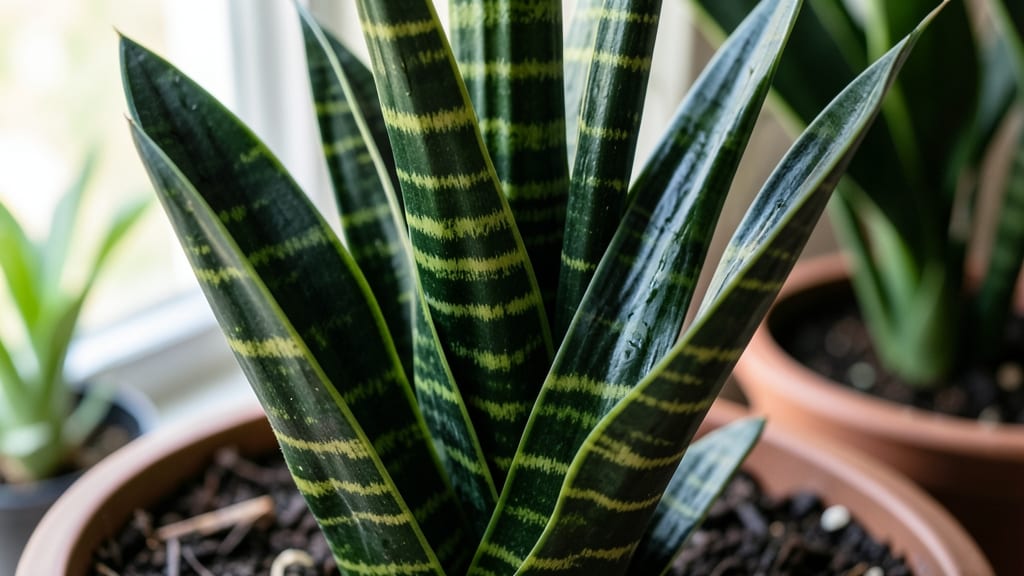
Tall snake plants reach for the sky like architectural greenery. 🌿 I’ve watched mine grow from 12-inch pups to towering 3-foot specimens in just two years—and the secret isn’t complicated. It’s all about light, patience, and letting those roots stretch deep before forcing vertical growth.
Skip the frequent watering hype: snake plants thrive on neglect. Give them bright, indirect light (or tolerates low light), let the soil dry completely between waterings, and repot only when roots peek through drainage holes.
The key to height? Avoid overcrowding—snake plants grow taller when they have space to stretch their leaves upward.
📚 In This Guide
- What you need
- Instructions
- Tips and common mistakes
- Wrapping up and next steps
What you need
- ● Healthy snake plant: A mature Sansevieria (variety like 'Laurentii,' 'Hahnii,' or 'Futura Superba' for height)
- ● OR a single leaf cutting (3–6 inches long, with at least 1–2 nodes)
- ● Propagation tools: Sharp, clean pruning shears or a knife (sterilized with rubbing alcohol)
- ● Small pots (3–4 inches in diameter) with drainage holes (2–4 pots, depending on cuttings)
- ● Well-draining soil mix: 50% cactus/succulent mix
- ● 30% perlite or coarse sand (for aeration)
- ○ 20% orchid bark or coco coir (optional, for moisture control)
- ○ Growth aids (optional but helpful): Rooting hormone (gel or powder) (speeds up propagation)
- ● Clear plastic wrap or a humidity dome (to retain moisture during rooting)
- ● Spray bottle (for misting soil lightly)
- ● Light: Bright, indirect sunlight (east or north-facing window; avoid harsh midday sun)
- ● Temperature: 65–85°F (18–29°C) (ideal for growth)
- ● Humidity: Low to moderate (snake plants thrive in dry conditions)
- ● Water: Minimal! Water only when soil is completely dry (every 2–4 weeks)
Step-by-Step instructions for growing towering snake plants
Here’s how to coax your snake plant into that dramatic, floor-filling height—no magic, just smart care.
🌱 Step 1: Choose the Right Plant and Pot
Start with a healthy mature snake plant (Sansevieria) that’s at least 12 inches tall—taller varieties like ‘Futura Superba’ or ‘Laurentii’ grow best vertically. Pick a 6-8 inch wide pot with drainage holes (snake plants hate soggy roots). I use terracotta because it breathes and helps prevent overwatering.
Fill the pot with well-draining cactus/succulent mix—regular potting soil compacts and suffocates roots. Mix in 10-20% perlite or pumice for extra aeration. Press the soil down just enough to hold the plant steady, but don’t pack it tight. Snake plants thrive when their roots can spread freely.
☀️ Step 2: Position for Maximum Light
Place your snake plant near a bright, indirect light source—think east or north-facing windows. Direct sun can scorch the leaves, but low light slows growth and makes plants stretch leggy. You’ll know it’s getting enough light when the leaves stay upright and deep green with no yellowing.
If your space is dim, supplement with a grow light (LED or fluorescent) for 12-14 hours daily. Keep the light 6-12 inches above the plant—too close burns leaves, too far makes it stretch. Rotate the pot quarter-turn weekly so it grows evenly straight, not leaning toward the light.
💧 Step 3: Master the Watering Routine
Water your snake plant only when the top 3-4 inches of soil are completely dry—stick your finger in to check. Overwatering is the #1 killer of snake plants, so less is always better. When you water, soak the soil until water runs out the drainage holes, then empty the saucer to prevent root rot.
In winter, cut back to every 3-4 weeks—growth slows, and the plant stores water in its thick leaves. Yellowing leaves usually mean overwatering, but brown tips often signal low humidity or fluoride in tap water. If you notice crispy edges, switch to filtered or distilled water and mist the air around the plant occasionally.
✂️ Step 4: Prune and Encourage Vertical Growth
Snake plants grow from the base, so never trim the bottom leaves—they’re the plant’s energy source. Instead, remove only the top 2-3 inches of a leaf if it’s damaged or brown. Use sterile scissors to cut at a 45-degree angle just above a node (the little bump where leaves grow out).
Place the cutting in sphagnum moss or water to root—it’ll sprout new pups in 4-6 weeks. For taller growth, avoid repotting unless the roots are crowded and spilling out the bottom. When you do repot, choose a pot only 2 inches wider than the current one—bigger pots encourage root rot more than growth.
🪴 Step 5: Fertilize and Maintain for Height
Feed your snake plant once every 2-3 months in spring and summer with a balanced, diluted fertilizer (half-strength). I use a 20-20-20 liquid fertilizer because snake plants don’t need heavy feeding. Skip fertilizer in fall and winter—they’re dormant and don’t need extra nutrients.
Dust the leaves monthly with a damp cloth to help them absorb light. If your plant starts dropping leaves, it’s usually root-bound or underwatered. Gently remove it from the pot and check the roots—if they’re circling, it’s time to repot into a slightly larger container with fresh soil.
Tips & tricks for growing towering snake plants
Real talk: The difference between a snake plant that stays compact and one that grows sky-high often comes down to these small but mighty details.
Light is Everything: That bright, indirect light recommendation in Step 2 isn't just about survival—it's about growth direction. Snake plants grow toward light, so if you notice your plant leaning, it's telling you it needs to be rotated quarter-turn weekly (as mentioned) to grow straight. I've seen plants double in height in just 6 months when given consistent light from all angles—just don't let them bake in direct sun, which causes those ugly brown patches.
Root Space Matters: When you repot (and only when roots are visibly escaping the bottom), choose that 2-inch wider pot carefully. I've made the mistake of going too big—snake plants hate wet roots, and a huge pot just sits there collecting moisture. The goal is to give roots room to spread, not to create a swamp. Pro tip: Press the soil firmly around the edges to eliminate air pockets that could rot the base of the stem.
Watering Wisdom: The "top 3-4 inches dry" rule is your best friend, but here's what nobody tells you: Tap water can be a silent killer. That fluoride and chlorine? It builds up in the soil and causes those dreaded brown tips. I've switched to rainwater or distilled water completely, and my plants have never looked healthier. And yes, that means collecting rainwater or buying distilled—your snake plant deserves the best.
Pruning Payoff: Those leaf cuttings you take in Step 4? Don't just toss them in water and forget about them. For faster rooting, dip the cut end in rooting hormone powder first—it cuts that 4-6 week wait in half. I've had cuttings root in as little as 3 weeks when using this trick. Just keep the container in bright, indirect light and change the water every 5 days to prevent bacterial growth.
Pro Tips for Grow Tall Snake Plant
- Real talk: The difference between a snake plant that stays compact and one that grows sky-high often comes down to these small but mighty details.
- Light is Everything: That bright, indirect light recommendation in Step 2 isn't just about survival—it's about growth direction.
- Root Space Matters: When you repot (and only when roots are visibly escaping the bottom), choose that 2-inch wider pot carefully.
Frequently asked questions
Got questions about growing tall, lush snake plants? You’re not alone!
Here are answers to the most common queries—from propagation puzzles to care conundrums—so you can cultivate those towering, architectural leaves with confidence.
How long does it take for a snake plant pup to grow into a tall plant?
A snake plant pup typically takes 1–3 years to mature into a full-sized, tall plant, depending on light, soil, and care. Patience is key—these slow growers reward consistency! For faster growth, place it in bright, indirect light and avoid overwatering.
Why is my snake plant growing short and stubby instead of tall?
Short, stubby growth usually means too much water or low light. Snake plants stretch toward light—if they’re leggy or compact, move them to a brighter spot (but avoid harsh sun). Let soil dry completely between waterings to encourage upward growth.
Can I grow a tall snake plant from a single leaf cutting?
Nope! Snake plants can’t regrow from a single leaf cutting—they propagate via pups (baby plants) or rhizome division. Save those leaf cuttings for crafts (they’re great for dried arrangements!) and focus on separating pups for new tall plants.
How often should I water a snake plant to keep it tall and healthy?
Water only when the soil is bone-dry—usually every 2–4 weeks, depending on humidity and light. Overwatering stunts growth and causes rot. Stick your finger 2 inches into the soil: if it’s dry, it’s time to water! Pro tip: Use a pot with drainage holes.
Will a snake plant grow taller in cool or warm temperatures?
Snake plants thrive in room-temperature (60–85°F) environments. They tolerate cooler spots (down to 50°F) but grow slower. Avoid drafts or extreme heat—consistent temps help them reach their full, majestic height. Keep them away from AC vents or radiators!
Can I prune a snake plant to encourage taller growth?
Pruning isn’t necessary for height, but you can trim yellow or damaged leaves to redirect energy. Cut at the base with clean scissors, and repot the pup if it’s ready. Avoid heavy pruning—snake plants grow best when left undisturbed (except for propagation!).
Are there any alternatives to snake plants for tall, low-maintenance foliage?
If you love snake plants’ height but want variety, try:
- Dracaena marginata ("Dragon Tree") – Tall, architectural, and drought-tolerant.
- Yucca – Spiky, upright, and thrives in bright light.
- Haworthia – A low-growing succulent with striking patterns (great for contrast!).
Wrapping up and next steps
Growing a tall, thriving snake plant is all about patience, the right conditions, and a little green thumb love! 🌱 With well-draining soil, bright (but indirect) light, and minimal watering, you’ll soon have a statement plant reaching for the sky.
Remember, propagation is easy—whether through division or leaf cuttings—so don’t hesitate to share the love with fellow plant parents.
Now that you’re armed with the secrets, go ahead and give it a try! Snap a photo of your snake plant’s progress and tag us—we’d love to see your towering success. Happy growing! 🌿✨