
How To
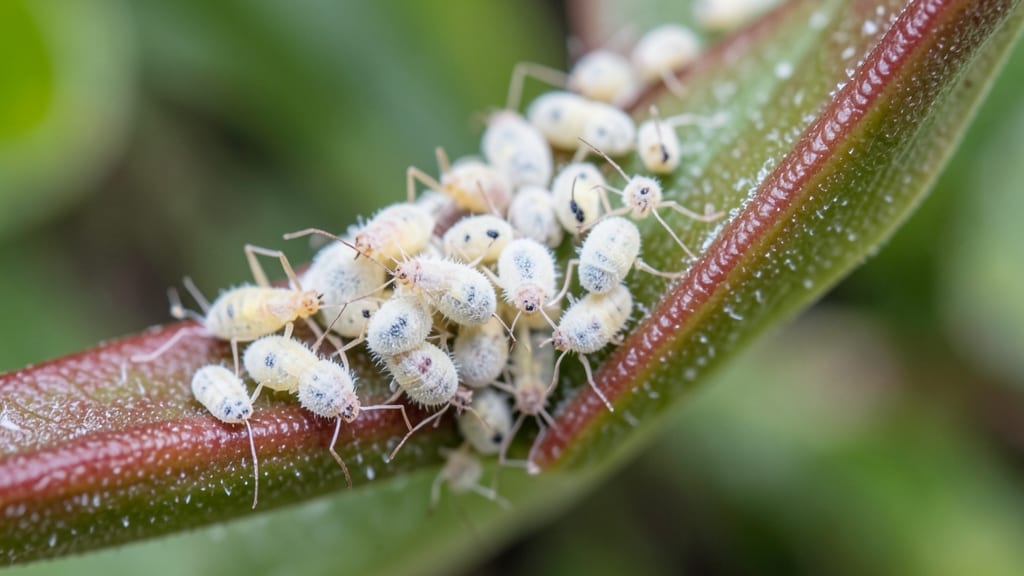
How to eliminate mealybugs on Portulacaria afra indoor plants turns its glossy leaves into sticky, white messes. 🌱 I’ve battled these pests on my own Elephant Bush, and the boiling water dip method works faster than anything else—no harsh chemicals, just instant results. The key is acting quickly before they spread to other plants.
First, isolate the plant to prevent cross-contamination. Then, mix 1 part rubbing alcohol with 1 part water in a spray bottle—this disrupts their waxy coating. For stubborn infestations, the boiling water dip (dipping leaves in 212°F water for 10 seconds) shocks them off instantly.
Repeat every 3-5 days until no signs remain.
Prevention is simple: maintain moderate humidity (mealybugs love dry air) and inspect new plants before bringing them indoors. A neem oil spray applied monthly keeps them away without harming your Elephant Bush. The goal? A clean, thriving plant with no sticky residue.
If reinfestation happens, check for hidden pests on stems and soil. Quarantine affected plants immediately—this isn’t just about saving one bush, but protecting your entire collection. Patience and consistency are the real game-changers here.
Root Causes Of Mealybug Infestations
Mealybugs may seem like random pests, but they thrive on specific conditions—especially when your Portulacaria afra (elephant bush) is under stress or neglected. Understanding the why behind these tiny white invaders is the first step to stopping them in their tracks.
Let’s break down the science-backed reasons they target your plant.
Mealybugs are sap-sucking insects that love environments with high humidity and moderate warmth (70–85°F / 21–29°C). Your indoor Portulacaria afra creates the perfect hideout when:
- Poor airflow traps moisture near the plant, mimicking their natural tropical habitats.
- Grouped plants (like in a terrarium or crowded shelf) increase humidity levels, signaling mealybugs to multiply.
- Overwatering or trapped water (e.g., saucers without drainage) creates damp soil and foliage—ideal for their cottony egg sacs.
Why it matters: Mealybugs can’t survive in dry conditions, so they seek out moisture-rich zones where they can feed undisturbed.
A healthy Portulacaria afra produces resins and sticky sap that deter pests—but when your plant is stressed, it becomes an all-you-can-eat buffet. Common stress triggers include:
- Nutrient deficiencies (especially phosphorus or potassium), weakening the plant’s natural pest resistance.
- Root-bound conditions (crowded roots) reduce nutrient uptake, making the plant more vulnerable.
- Sudden temperature shifts (e.g., drafts from AC/heaters) shock the plant, lowering its immune response.
Why it matters: Mealybugs detect stressed plants by sensing changes in sap composition. A struggling Portulacaria afra is like a neon sign for them.
Mealybugs don’t just appear out of nowhere—they spread via human activity or infested plants.
Common entry points: - New plants (even if they look clean) can carry mealybugs in their soil, leaves, or pots. - Contaminated tools (pruners, pots, or gloves) transfer pests from one plant to another. - Outdoor exposure (if you bring in cuttings or plants from gardens/balconies).
Why it matters: Mealybugs reproduce exponentially—a single female can lay hundreds of eggs, and they move quickly when given the chance.
Portulacaria afra produces sweet, sugary sap (a byproduct of photosynthesis), which is a magnet for mealybugs.
Here’s how it works: - Mealybugs pierce the plant with their mouthparts and suck out sap. - They excrete honeydew (a sticky waste product), which attracts sooty mold (a black fungal growth). - The cycle repeats: More mealybugs come for the easy meal, and the plant weakens faster.
Why it matters: The stickier the sap, the more appealing your plant becomes to these pests.
Mealybugs hide in crevices and feed on organic matter, including:
- Dead leaves or fallen debris near the plant’s base.
- Dusty pots or saucers that trap moisture and pests.
- Unwashed tools or pots harboring eggs or nymphs.
Why it matters: A dirty growing environment gives mealybugs shelter and food sources, allowing infestations to spread unchecked.
Mealybugs don’t act alone—they bring friends (ant colonies, scale insects, and fungal growth). Breaking the cycle starts with identifying the root cause (humidity, stress, hitchhiking, etc.) and addressing it before treatment.
Next step? Once you know why they’re there, you can target the fix—like adjusting humidity, boosting plant health, or using the boiling water dip method to shock them off your Portulacaria afra. 🚀
Quick Fixes That Actually Work
Mealybugs on your Portulacaria afra (elephant bush) can feel like a stubborn houseguest refusing to leave—but don’t worry, you’ve got options! The key is to act fast and combine methods for the best results.
Below, we’ll break down cause-specific solutions, from natural remedies to tougher tactics, so you can reclaim your plant’s health without losing your sanity.
Mealybugs thrive where plants are weak, often because of poor airflow or overcrowding. Fix it now: - 🔪 Trim the damage: Snip off heavily infested stems or leaves with clean scissors.
Dispose of them in a sealed bag (not your compost!). - 🌿 Quarantine the plant: Move it away from other houseplants to prevent cross-contamination. A bathroom or spare room works well. - 💨 Boost airflow: If your plant is in a cramped spot, relocate it to a brighter, airier area.
Mealybugs hate dry conditions!
💡 Pro Tip: After pruning, wipe down the leaves with a 70% isopropyl alcohol-soaked cotton swab to kill any lingering eggs.
For small outbreaks, skip the harsh chemicals and go for plant-safe solutions that disrupt mealybugs’ life cycle.
| Method | How to Use | Frequency |
|---|---|---|
| Neem Oil Spray | Mix 1 tsp neem oil + 1 tsp mild soap + 1 quart water. Spray undersides of leaves. | Every 5–7 days for 2 weeks |
| Insecticidal Soap | Spray a diluted solution (follow label) directly on bugs. | Repeat in 3–5 days |
| Rubbing Alcohol Dip | Dip a cotton ball in 90%+ alcohol and dab infested areas (avoid overuse). | 1–2 times per week |
⚠️ Warning: Test sprays on a small leaf first—some plants (like Portulacaria) are sensitive to soap residues. Rinse off after 24 hours if needed.
If mealybugs have taken over, boiling water or horticultural oil are your best bets for instant eradication.
🍳 Boiling Water Dip Method (Your Secret Weapon)
- 🔥 Boil water in a kettle or pot (no additives).
- 🌡️ Let it cool for 1–2 minutes (just warm to the touch).
- 🌿 Submerge infested stems/leaves for 10–15 seconds. Mealybugs can’t survive the heat!
- 🧼 Dry thoroughly with a paper towel to prevent fungal growth.
✨ Bonus: This method kills eggs too, unlike some sprays.
🛡️ Horticultural Oil Barrier
- Mix 1 part horticultural oil with 1 part water + a drop of dish soap.
- Spray heavily on all surfaces (including soil) to suffocate bugs.
- Reapply every 3–4 days until no new bugs appear.
Once you’ve won the battle, lock in those defenses with these habits:
- 🌿 Inspect new plants before bringing them home. Quarantine for 2 weeks. - 🚿 Wipe leaves monthly with a damp cloth to remove sticky residue (honeydew) that attracts ants. - 🌡️ Maintain ideal conditions: Portulacaria afra loves bright, indirect light and well-draining soil.
Overwatering = mealybug magnet. - 🕷️ Introduce predator bugs like ladybugs or lacewings if reinfestation happens (they love mealybugs).
💡 Final Reminder: Consistency is key! Mealybugs reproduce fast, so stick to your treatment plan for at least 3–4 weeks to ensure 100% eradication. Your Portulacaria afra will thank you with lush, pest-free growth!
Frequently asked questions
Why do mealybugs keep coming back even after treatment?
Mealybugs reproduce quickly, and eggs often hide in protected areas like leaf crevices or soil. After treatment, check undersides of leaves and stem joints for survivors. Repeat treatments every 3-5 days for at least 2 weeks to break their life cycle.
Is neem oil safe for Portulacaria afra?
Yes, but use it carefully. Dilute 1 teaspoon neem oil with 1 teaspoon mild soap and 1 quart water. Spray leaves thoroughly, but avoid over-saturating soil. Test on a small area first—some plants can develop sensitivity to oils over time.
How do I know if my Portulacaria afra is stressed enough to attract mealybugs?
Watch for these signs: yellowing leaves, slow growth, or sticky residue (honeydew) on leaves. Stressed plants produce more sap, which mealybugs love. Fix issues like overwatering, low light, or nutrient deficiencies first—healthy plants naturally repel pests.
Can I use the boiling water method on small leaves?
For delicate leaves, use a cotton swab dipped in warm (not boiling) water instead. Gently wipe infested areas—this kills bugs without damaging tender foliage. For tougher infestations, the boiling water dip works best on thicker stems.
Will mealybugs spread to other houseplants?
Mealybugs hitchhike easily via tools, hands, or air currents. Immediately quarantine infested plants and clean tools with rubbing alcohol after use. Check nearby plants weekly for early signs like white cottony patches.