
Watering
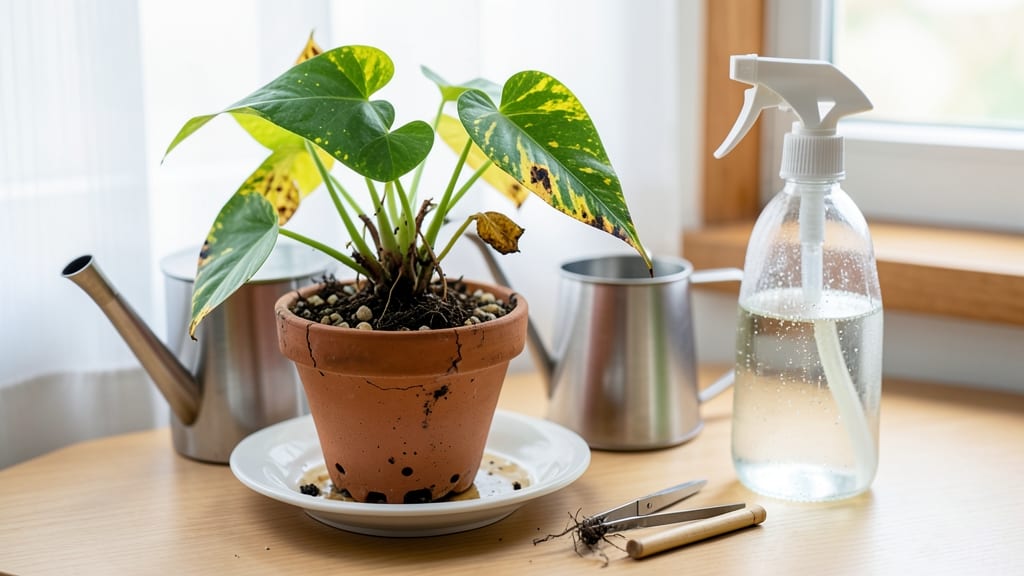
How to fix an overwatered indoor plant isn’t as hard as it seems—those drooping leaves are just signaling distress, not doom. 🌱 Overwatering smothers roots faster than you'd think, but with the right rescue steps, you can bring them back to life. I've nursed dozens of "dead" plants back to health using this exact air-drying method, and the results are always shocking.
The first move? Stop watering immediately and let the soil dry out completely. You'll need a clean, sharp knife to trim any mushy roots—yes, it's gross but necessary. Most plants bounce back within 2-4 weeks of proper air circulation, especially if you repot into fresh, well-draining soil.
The key is patience; roots heal faster than you'd expect.
What you'll end up with is a plant that's not just alive, but stronger. New growth appears within 3-6 weeks as roots establish in the drier environment, and the leaves regain their vibrant color.
The air-drying method works for everything from ferns to succulents—though succulents need even more drying time between waterings.
Here's the game-changer: adjust your watering schedule based on soil type and pot size. I now check moisture with my finger before watering, and my plants stay thriving year-round. The secret? Less watering than you think—most indoor plants need it only when the top inch of soil feels dry.
Root Issues Behind Overwatering
Overwatering isn’t just about pouring too much water—it’s a cascade of problems that start in the soil and spread to your plant’s roots. Understanding the why behind the soggy mess helps you avoid repeating the same mistakes.
Let’s break down the science of why your indoor plant might be drowning in its own pot.
Plants need aeration—a balance of air and water in the soil. When drainage is lacking, excess water pools around the roots instead of escaping. This creates anaerobic conditions (no oxygen), forcing roots to suffocate.
- Clogged pots: Small drainage holes or compacted soil (like from reused pots without cleaning) block water flow.
- Heavy soil mixes: Clay or dense potting soils retain moisture for days, suffocating roots faster than lightweight blends.
- No gravel/cactus mix: Some plants (like succulents) need gritty soil to prevent waterlogging—without it, they’re doomed.
Pro Tip 💡: Test drainage by filling a spare pot with water. If it takes more than 10 minutes to drain completely, your soil or pot is the culprit.
Even with good drainage, watering on a strict schedule (like every 3 days) can drown plants. Indoor environments vary wildly—humidity, temperature, and light levels all affect evaporation rates.
- Ignoring the "soak-and-dry" rule: Most plants thrive when the top 1–2 inches of soil dry out between waterings. Stick your finger in—if it’s damp, wait. - Mistaking thirst for wilting: Droopy leaves often signal underwatering, not overwatering.
Wait 24 hours to see if they perk up naturally. - Automatic watering gone rogue: Self-watering pots or timers can deliver too much, too often, especially in low-light spots where evaporation slows.
Science Alert 🧪: Roots stop absorbing water when soil is waterlogged, but they keep respiring (using oxygen). Without O₂, they switch to fermentation, producing ethanol—a toxic byproduct that burns roots.
Your plant’s environment plays a huge role in how fast water evaporates. High humidity or cool temps slow drying, trapping moisture in the soil.
- Humid climates or bathrooms: Air already saturated with moisture means soil stays damp longer. Solution: Use a dehumidifier near the plant or choose humidity-loving species (like ferns) in these spaces. - Cold drafts or AC: Low temps reduce root activity, making plants less efficient at using water.
Overwatering in these conditions = root rot express. - Seasonal shifts: Winter air is drier indoors (thanks, furnaces!), but spring/summer humidity spikes can trick you into thinking your plant needs less water.
Quick Fix ✨: Move struggling plants near open windows (indirect light) or use a small fan to increase airflow around the pot.
Waterlogged soil is a buffet for pathogens. Fungi like Phytophthora and bacteria like Erwinia thrive in soggy conditions, attacking roots and cutting off nutrient flow.
- Yellowing leaves with black spots: Classic fungal root rot signs.
The fungus clogs root cells, preventing water uptake. - Mushy, foul-smelling soil: Bacteria break down roots, releasing ammonia or sulfur smells (like rotten eggs). - Slow growth despite watering: Roots can’t absorb nutrients when infected, even if the soil looks fine.
Prevention Tip 🛡️: Sterilize tools (pruners, pots) with 70% isopropyl alcohol before repotting. Avoid "bottom-watering" (soaking the pot) if your plant is prone to rot.
Not all plants have the same tolerance for moisture. Placing a succulent in a tropical fern’s pot (or vice versa) is a recipe for disaster.
- Succulents/sansevierias: Need fast-draining soil and infrequent watering. In regular potting mix? Root rot in 3 days. - Tropical plants (monstera, pothos): Love consistent moisture but hate waterlogged roots.
A pot without drainage = slow death. - Bulbs (amaryllis, lilies): Store water in their scaly leaves—overwatering causes them to rot from the inside out.
Matchmaking Tip 🎯: Check your plant’s native habitat. Desert plants = sandy, gritty soil. Jungle plants = loamy, well-aerated mix. Adjust accordingly!
Soil doesn’t stay fluffy forever. Repotting shock, root growth, or even tap water minerals (like calcium) can compact soil, reducing airflow.
- Hardened soil crust: After years of watering, the top layer becomes impermeable, trapping water like a plastic wrap.
- Mineral buildup: Over time, lime or salt deposits from tap water create a water-repellent layer, pushing moisture deeper where roots can’t access it.
- No repotting: Roots outgrow their pot, strangling drainage and forcing water to pool at the bottom.
Reset Hack ⚡: Fluff the soil gently with a chopstick or top-dress with perlite to restore aeration. For severe compaction, repot into fresh mix with 20% perlite/pumice.
Revive Your Plant Now
Overwatering can feel like a death sentence for your green buddy, but don’t toss that wilting leaf just yet! With the right steps, you can nurse your plant back to health—sometimes even saving it from the brink.
Below, we’ll match common overwatering symptoms to practical fixes, plus tips to keep your plant thriving long-term. Let’s dig in!
Cause: Too much water, not enough drying time Fix: Hit pause on the watering can. Let the soil dry out completely before watering again—this is the fastest way to prevent root rot from spreading. If your plant is severely soggy, skip watering for at least 3–5 days (longer for heavy pots).
Pro Tip: 💡 Check soil moisture with your finger. Stick your index finger 1–2 inches deep into the soil. If it’s damp, wait. If it’s bone-dry, it’s a good sign—but don’t overdo it on the next watering!
Cause: Poor drainage or waterlogged roots Fix:
- Repot if needed: If your plant’s container has no drainage holes, transfer it to a pot with holes immediately. Use a saucer underneath to catch runoff.
- Bottom-watering trick: Place the pot in a tray of 1–2 inches of water for 10–15 minutes, then drain. This lets roots absorb what they need without drowning.
- For severe cases: If the soil is a swamp, rinse the roots gently under lukewarm water to wash away excess salts or fertilizer buildup.
Pro Tip: ✨ Use a moisture meter to track soil dryness. These $10 tools take the guesswork out of watering!
Cause: Inconsistent watering habits Fix: Overwatering often happens when we water on a schedule instead of by need. Switch to this 3-step method:
- Check the soil (as above).
- Water only when the top 1–2 inches are dry (adjust for your plant type—succulents need less, ferns more).
- Water deeply but less often. A slow drink is better than a quick splash.
Plant-Specific Guide:
Plant Type
Watering Frequency
Signs of Overwatering
Succulents/Cacti
Every 2–4 weeks
Mushy stems, yellow leaves
Tropical Plants (Monstera, Pothos)
Every 1–2 weeks
Yellowing leaves, root rot smell
Herbs (Basil, Mint)
Every 5–7 days
Drooping, blackened stems
Pro Tip: 🎯 Group plants by water needs. Keep succulents together and tropicals together to streamline care!
Cause: Rot spreading to leaves or roots Fix:
- Prune yellow/brown leaves: Use sterilized scissors to snip off dead foliage at the base. This helps the plant focus energy on recovery.
- Inspect roots (for severe cases): Gently remove the plant from its pot and rinse the roots. Trim black, mushy roots with clean scissors. Healthy roots are firm and white.
- Repot in fresh soil: Use a well-draining mix (add perlite or orchid bark for aeration) and a clean pot.
Pro Tip: 💪 Don’t panic if you lose a few leaves! Many plants bounce back stronger after a trim.
Cause: Stress from poor environment Fix: Overwatered plants need extra TLC to recover. Adjust these factors:
- Light: Move to bright, indirect light (no harsh sun yet). Avoid dark corners.
- Humidity: Mist leaves lightly or place a tray of water nearby (great for tropical plants).
- Temperature: Keep away from drafts or heaters—aim for 65–75°F.
- Fertilizer: Wait 4–6 weeks before fertilizing. Overwatered plants can’t handle nutrients yet!
Pro Tip: 🌡️ A humidifier near your plants speeds up recovery—especially for leafy varieties like ferns or calatheas.
Once your plant is back on track, lock in these habits to avoid future overwatering:
- Upgrade your pots: Use terracotta or pots with drainage holes—they dry faster than plastic.
- Use the finger test: Always check soil moisture before watering.
- Water in the morning: Gives plants time to dry out during the day.
- Consider self-watering systems: If you travel often, try smart pots or wicking beds for consistency.
Final Reminder: 🌱 Overwatering is fixable—but prevention is the real superpower! With these steps, your plant will be thriving in no time. Now go give it some love!
Frequently asked questions
How long should I wait before watering again after fixing overwatering?
Wait until the top 1–2 inches of soil feel completely dry to the touch. For severely waterlogged plants, skip watering for 3–5 days to let roots recover. Succulents may need 2 weeks or more between waterings after rescue.
Can I save a plant with black, mushy roots?
Yes! Trim all black/mushy roots with clean scissors, then repot in fresh, well-draining soil. Keep the plant in bright, indirect light and avoid watering for 5–7 days to prevent further rot. Many plants bounce back surprisingly fast with proper care!
What’s the best soil mix to prevent future overwatering?
Use a blend with 30–50% perlite or orchid bark to improve drainage. For succulents, try a cactus mix (60% mineral grit). Always choose pots with drainage holes—terracotta dries faster than plastic.
Will my plant recover if the leaves are completely yellow?
Yellow leaves often mean root damage, but new growth can emerge within 3–6 weeks if roots are healthy. Trim all yellow leaves at the base to redirect energy. Focus on improving drainage and light conditions—many plants regrow from their base!
How can I tell if my plant is truly overwatered vs. underwatered?
Overwatered plants have yellowing leaves, mushy stems, and foul-smelling soil. Underwatered plants show crispy brown edges and dry soil pulling away from pot edges. The key difference? Overwatered plants stay droopy even after watering.