
Vegetables
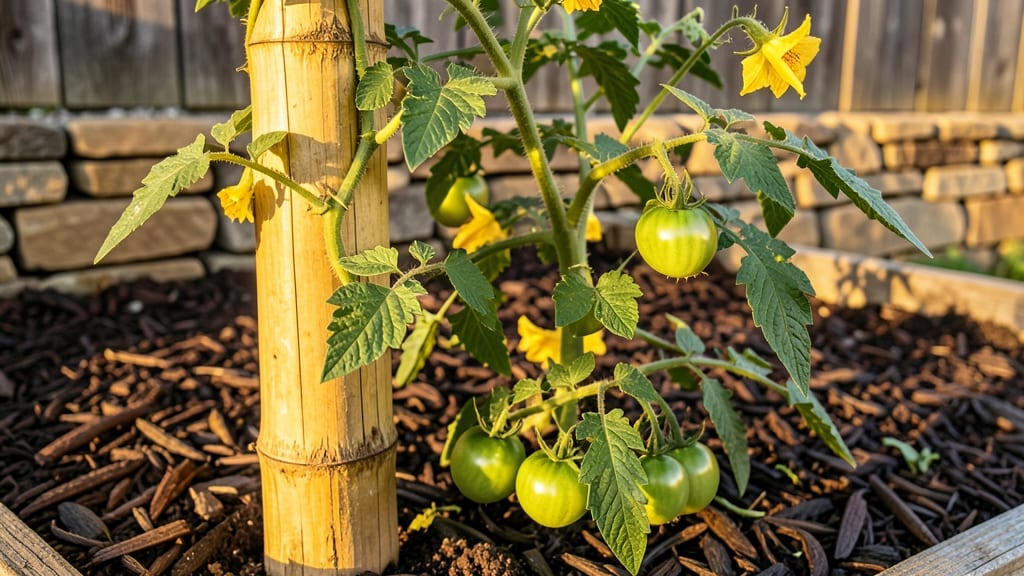
Encouraging tomato growth starts with sunlight, water, and soil secrets that actually work. 🌞 I’ve watched my tomato plants go from struggling seedlings to producing bushels of fruit by mastering just a few key factors—none of them complicated.
The difference between a decent harvest and a jaw-dropping one often comes down to how you set them up from the start.
Tomatoes crave at least 6-8 hours of direct sunlight daily, but most people underestimate how much they need. A well-draining soil mix with compost or aged manure gives them the nutrients they crave, while consistent watering—1-2 inches per week—keeps roots happy without drowning them.
Pruning sucker growth early on ensures energy goes to fruit, not leaves, and trellising prevents disease while keeping plants upright.
By mid-summer, you’ll see the payoff: vibrant green foliage, heavy clusters of blossoms, and tomatoes that ripen faster than you can pick them. The secret isn’t fancy equipment—it’s paying attention to what tomatoes actually need, not what you think they need.
Skip the guesswork, and you’ll end up with a garden that makes your neighbors jealous.
This works for determinate and indeterminate varieties, container gardens, or in-ground beds. Whether you’re a first-timer or a seasoned grower, these tweaks will transform your harvest—no green thumbs required. Let’s get those plants growing like they’re in a competition.
📚 In This Guide
- What you need
- Instructions
- Tips and common mistakes
- Wrapping up and next steps
What you need
- ● Tomato seeds or seedlings: Choose disease-resistant varieties like Celebrity or Sungold (6–12 plants, depending on space).
- ● Containers or garden bed: For containers: 5-gallon pots or larger (1 plant per container).
- ● For in-ground: Full sun (6–8+ hours/day) and well-draining soil.
- ● High-quality potting mix or garden soil: 5–10 bags (sterilized, rich in organic matter).
- ● Compost or fertilizer: Balanced fertilizer (10-10-10 or 5-10-10, 1 lb per 10 sq ft).
- ● Slow-release organic fertilizer (e.g., worm castings or bone meal).
- ● Mulch: Straw, grass clippings, or shredded leaves (2–3 inches thick).
- ● Watering can or hose with a gentle nozzle: 2–3 gallons capacity (or drip irrigation system).
- ● Support structures: Cages (5–6 ft tall, 1 per plant).
- ● Trellis or stakes (6 ft long, 1–2 per plant).
- ● Pruning shears: Sharp, clean pair for trimming suckers and dead leaves.
- ● Soil pH test kit: Aim for 6.0–6.8 (tomatoes love slightly acidic soil!).
- ● Epsom salt: 1 tbsp per plant (monthly) for magnesium boosts.
- ● Fish emulsion or seaweed extract: Liquid fertilizer for a nutrient kick.
- ● Row covers or shade cloth: For early-season protection from pests or heat.
- ● Garden gloves: To keep hands clean while handling soil and plants.
Step-by-step instructions for maximizing tomato growth
Here's how I transform average tomato plants into high-yielding powerhouses—no fancy equipment needed.
☀️ Step 1: Optimize Sunlight Exposure for Maximum Energy
Tomatoes demand 6-8 hours of direct sunlight daily, but most home gardens can't provide that consistently. I position my plants where they receive morning sun and afternoon shade in hot climates—this prevents leaf scorch while still delivering peak energy. If your space is limited, rotate plants quarter-turn weekly so all sides grow evenly toward the light.
Watch for yellowing leaves or stems stretching excessively—these are clear signs your plants need more light. If you're growing indoors, supplement with a full-spectrum LED grow light kept 6 inches above the plants for 14-16 hours daily. The key is consistency; tomatoes won't tolerate erratic light patterns.
💧 Step 2: Master the Watering Routine for Strong Roots
Deep, infrequent watering builds the strong root systems tomatoes need. I water once every 2-3 days until the top 6 inches of soil feel completely moist—not just damp on the surface. Use a soaker hose or drip irrigation to deliver water directly to the base, avoiding wet foliage which invites disease. Early morning is ideal because it gives leaves time to dry before evening humidity sets in.
Here's the thing—tomatoes hate moisture stress. You'll know your routine is working when the soil between waterings feels dry to the touch 2-3 inches down but never bone-dry at the surface. Mulch with 2-3 inches of straw or wood chips to lock in moisture and keep roots cool during heatwaves.
🌱 Step 3: Feed with Precision for Continuous Growth
Tomatoes are heavy feeders, but timing matters more than quantity. I start with a balanced 10-10-10 fertilizer at planting, then switch to low-nitrogen, high-phosphorus (5-10-10) formula when flowers appear. The secret is side-dressing: sprinkle fertilizer 2 inches away from the stem and water it in every 3-4 weeks during the growing season.
Watch for dark green leaves with purple stems—this is nitrogen deficiency. Conversely, excessive leafy growth with no fruit means too much nitrogen. I also add a handful of compost or worm castings around the base monthly to improve soil structure and microbial activity, which tomatoes love.
✂️ Step 4: Prune Strategically for Better Airflow and Fruit Production
Pruning might seem counterintuitive, but it's how I double my yield. Remove suckers (the small shoots growing between main stems and branches) when they're 1-2 inches long. These compete with fruit for energy. For indeterminate varieties, prune leaves below the first flower cluster to improve airflow and reduce disease risk. I also pinch off the first few flowers if the plant looks stressed—it's better to build a strong framework first.
You'll see the difference immediately: pruned plants develop thicker stems, larger leaves, and more fruit per cluster. Never remove more than 25% of foliage at once, or you'll shock the plant. I prune on dry mornings with clean, sharp shears to prevent disease entry points.
🪴 Step 5: Support and Protect for Long-Term Success
Sturdy support isn't optional—it's how I prevent broken stems from wind or heavy fruit loads. I use 5-6 foot bamboo stakes or cages installed at planting. For heavy varieties like beefsteaks, I tie stems to the stake with soft plant ties every 12 inches as they grow. This prevents stem damage while allowing natural movement.
Protect young plants from pests with floating row covers until they're established. I also monitor for hornworms (they can defoliate a plant overnight) and handpick them daily. The moment I see first signs of blossom end rot (black spots on fruit), I add crushed eggshells to the soil and maintain consistent moisture—calcium deficiency is usually the culprit.
Tips & tricks for perfect tomato growth
Common pitfalls—and how to sidestep every one when nurturing your tomato plants.
The Light Factor: Those 6-8 hours of sunlight aren't just about quantity—they're about quality. I've seen plants in full sun all day but still struggle because of heat stress. If your area gets intense afternoon sun, consider using a 50% shade cloth during peak hours (usually 11 AM to 3 PM). You'll notice the leaves stay a vibrant green rather than turning yellow or crispy at the edges. This simple adjustment can double your fruit production during hot summers.
Watering Wisdom: The 1-2 inches per week guideline works best when your soil drains well. I test soil moisture by lifting a plant gently—if the soil clings to the roots, it's too wet. For container-grown tomatoes, you might need to water every 2 days instead of 3, especially in hot weather. The key is consistency: better to water deeply every 2-3 days than give a little water daily. This encourages deep root growth, which translates to stronger plants that support heavier fruit loads.
Fertilizer Timing: That switch from 10-10-10 to 5-10-10 when flowers appear isn't arbitrary—it's about redirecting energy. I've seen gardeners continue with high-nitrogen fertilizers and end up with lush foliage but no tomatoes. The phosphorus boost (that middle number) is what triggers flowering and fruit set. Apply your first 5-10-10 dose when you see the first flower buds, and you'll start seeing fruit within 2-3 weeks. Remember to water thoroughly after fertilizing to prevent root burn.
Pruning Precision: When removing suckers in Step 4, don't just grab and pull—pinch them off with your fingers at the base. This prevents tears that can invite disease. For indeterminate varieties, I leave just 1-2 main stems to concentrate energy. You'll know you're doing it right when you see fruit clusters growing larger and more abundant on the remaining stems. And always prune in the morning when plants are turgid—this reduces stress and speeds up healing.
Pro Tips for Encourage Tomato Growth
- Common pitfalls—and how to sidestep every one when nurturing your tomato plants.
- The Light Factor: Those 6-8 hours of sunlight aren't just about quantity—they're about quality. I've seen plants in f...
- Watering Wisdom: The 1-2 inches per week guideline works best when your soil drains well. I test soil moisture by lif...
Frequently asked questions
Got questions about growing juicy, homegrown tomatoes?
You’re not alone! Here are answers to the most common queries from gardeners—whether you're a beginner or a seasoned pro looking for a boost.
How often should I water my tomato plants?
Water deeply 1-2 times per week, ensuring the soil stays consistently moist (but not soggy). Early morning is best to reduce disease risk. Pro tip: Mulch around plants to retain moisture and prevent soil splashing.
When is the best time to plant tomatoes?
Plant after the last frost when soil temps reach at least 60°F (15°C). For warm climates, start in early spring; cooler areas may need to wait until late spring or early summer. Seedlings thrive in warm soil!
Why aren’t my tomatoes ripening on the vine?
Lack of sunlight, cool temps (<60°F/15°C), or overcrowding can stall ripening. Move plants to full sun (6+ hours/day), use black plastic mulch to warm soil, or pick green tomatoes and ripen indoors with a banana nearby (ethylene gas speeds it up!).
Can I grow tomatoes in containers?
Use pots at least 5 gallons with drainage holes, and choose compact varieties like ‘Tiny Tim’ or ‘Patio Princess.’ Ensure they get plenty of sunlight and fertilize regularly. Containers dry out faster—check soil moisture daily!
What’s the fastest way to fix tomato pests like aphids or hornworms?
Handpick large pests (like hornworms) or spray with neem oil or soapy water for aphids. Introduce beneficial insects (ladybugs, lacewings) or use row covers early in the season. Act fast—pests multiply quickly!
Should I prune my tomato plants?
Pruning determinate varieties (bush tomatoes) isn’t necessary, but indeterminate types (vining) benefit from pruning suckers (shoots between stems) to improve airflow and fruit size. Stop pruning 2 weeks before harvest to avoid stress.
Wrapping up and next steps
Growing thriving tomato plants is all about patience, consistency, and a little know-how! 🌱 With the right balance of sunlight, water, soil, and care, you’ll be well on your way to a garden bursting with juicy, flavorful tomatoes.
Remember, every gardener faces challenges—but each harvest is a victory worth celebrating.
Ready to take the next step? Start small—plant a few seeds or seedlings this week, and watch your confidence (and tomatoes!) grow. Happy gardening! 🌞🍅