
Lawn
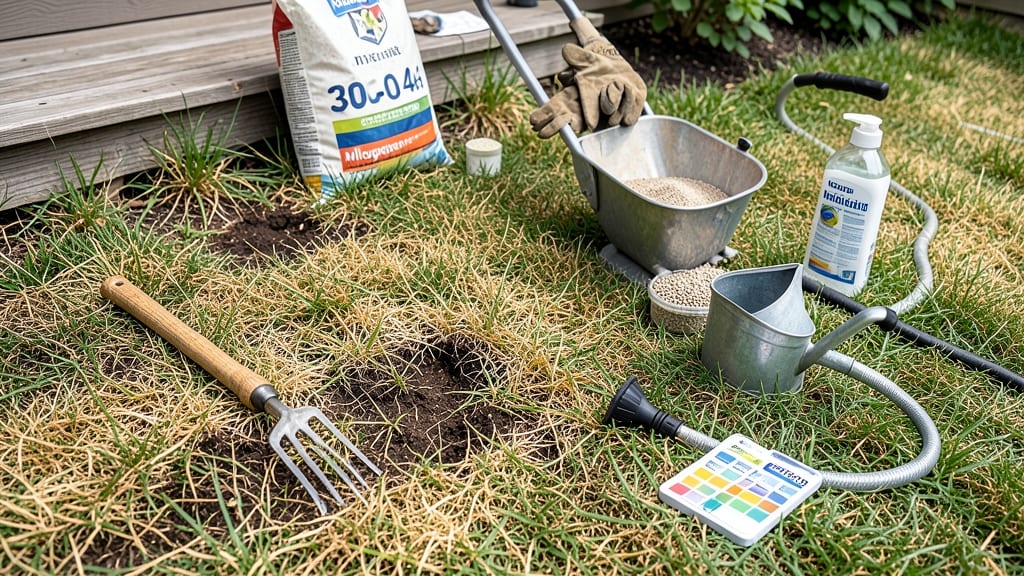
How to fix the lawn killed by dog urine—before those yellow patches become permanent. 🌱 The good news? You can bring it back with a two-step rescue plan that works even on stubborn dead spots. I’ve nursed back lawns that looked like they’d been hit by a chemical spill, and the secret isn’t expensive treatments—it’s diluting the damage and giving grass a fighting chance to regrow.
The problem isn’t just the urine itself—it’s the concentrated nitrogen that burns grass roots. But by flushing the area with water immediately after your pup goes, you dilute the damage before it sets in. Then, overseeding with pet-friendly grasses like tall fescue or Kentucky bluegrass gives you a fresh start.
Add a layer of compost or lime to balance the soil, and you’ll see new growth within 2-3 weeks if you stay consistent.
What you’ll end up with is a lawn that looks like it was never touched—no more bare patches, no more yellowing. The key is patience and prevention: water after each potty break, test your soil annually, and consider a pet-safe fertilizer to keep the grass resilient.
Once you see those first green shoots push through, you’ll forget the damage ever happened.
This works for any yard size, from small backyards to large properties. The only real requirement? A little extra attention after walks. Let’s get your lawn back to lush.
The Hidden Culprits Behind Dead Grass
If your lawn looks like it’s been through a war zone—brown patches, crispy grass, and spots that refuse to bounce back—blame your furry friend’s bathroom habits. Dog urine is a silent lawn assassin, but why?
The damage isn’t just about the liquid itself; it’s a toxic cocktail of chemistry and biology. Let’s break down the science behind the destruction so you can outsmart it.
Dog urine is packed with ammonia (NH₃), a byproduct of nitrogen metabolism in your pup’s diet. When concentrated, ammonia acts like a chemical burn, stripping away the protective outer layer of grass blades and disrupting cellular function.
But here’s the kicker: it’s not the urine itself that’s the worst—it’s how it’s applied.
- Why it matters: Ammonia is highly alkaline (pH 8.0–9.0), while grass thrives in slightly acidic soil (pH 6.0–7.0). This extreme shift locks out essential nutrients like phosphorus and iron, starving the roots.
- Actionable insight: Frequent, small urinations (like a nervous pup) create low-volume, high-concentration spots—think of it like a slow-motion acid drip. Big gulps of water after peeing? That dilutes the damage, but not if your dog squats in the same spot repeatedly.
- Pro tip: 💡 If your lawn has ring-shaped dead patches, you’re dealing with chronic ammonia exposure. These spots often recover slowly because the soil’s microbial life (which breaks down ammonia) gets overwhelmed.
Dogs eat protein-heavy diets, and their urine is nitrogen-rich (up to 20x more concentrated than human urine). While nitrogen is a grass fertilizer staple, too much at once is like feeding your lawn a double espresso—it gets jittery and burns out.
| What Happens in the Soil | Grass Reaction |
|---|---|
| Excess nitrogen converts to nitrites (NO₂⁻), which are toxic to plant cells. | Grass blades yellow or brown within 24–48 hours. |
| Soil microbes struggle to process the spike, leading to anaerobic zones (low oxygen). | Roots suffocate, making recovery nearly impossible without intervention. |
| pH spikes above 7.5, locking out micronutrients like zinc and manganese. | Grass becomes weak and prone to disease. |
Key takeaway: Even if you fertilize your lawn regularly, dog urine overrides your efforts by creating localized hotspots of nutrient imbalance. It’s like adding salt to a garden—too much in one place, and nothing grows.
Healthy lawns rely on beneficial soil microbes (like Azotobacter and mycorrhizal fungi) to break down ammonia and recycle nutrients. But dog urine disrupts this ecosystem in two ways:
- Ammonia shock: Sudden pH swings kill off helpful bacteria, leaving harmful microbes (like Pseudomonas) to thrive. These compete for nutrients your grass needs.
- Salt buildup: Dog urine contains sodium and chloride, which inhibit microbial activity. Think of it like adding bleach to a compost pile—nothing survives.
Result? Your lawn’s natural defense system gets shut down, leaving grass vulnerable to drought, disease, and compaction. Over time, this creates bare, crunchy patches that won’t green up without help.
🔥 Fun fact: Studies show that lawns recovering from dog urine damage often take 3–6 months to restore microbial balance—even with proper care.
Not all dog urine is equally destructive. Heat and repetition turn a minor annoyance into a major problem:
- Hot weather = faster evaporation: In temperatures above 75°F (24°C), ammonia doesn’t dilute—it concentrates as the urine dries. This is why summer lawns suffer more.
- Repeat offenders: Dogs that mark the same spot (territorial urination) create permanent dead zones because the soil never recovers.
- Grass type matters: Fine fescue and Bermuda grass are more resilient than Kentucky bluegrass, which is highly sensitive to ammonia burns.
Actionable fix: If your dog has a favorite spot, train them to pee elsewhere (use commands like “go potty” in a designated area) or water the spot immediately to dilute the damage.
Revive Your Lawn Step by Step
If your lawn is looking patchy, yellow, or bare after years of dog urine damage, don’t panic—there’s hope! The key is to address the problem based on its root cause while giving your grass a fighting chance to recover.
Below, we break down practical solutions tailored to the most common issues, from soil imbalance to grass weakness, plus prevention tips to keep your lawn thriving long-term.
Dog urine is highly acidic, and over time, it throws off your lawn’s pH balance, making it hard for grass to absorb essential nutrients. Here’s how to restore balance:
- 🔥 Test Your Soil First Grab a soil test kit (available at garden centers) to check pH and nutrient levels. Aim for a pH between 6.0 and 7.0—ideal for most grasses. If it’s too low (acidic), lime is your best friend.
- 🍳 Apply Lime to Neutralize Acid Sprinkle garden lime (calcium carbonate) evenly over the affected areas. Use 20–30 lbs per 1,000 sq ft for moderate acidity. Water it in thoroughly. Pro tip: Do this in early fall or spring when grass is actively growing.
- 👨🍳 Feed with the Right Fertilizer Once the pH is stable, use a slow-release, balanced fertilizer (like 10-10-10 or 16-4-8) to replenish nutrients. Focus on nitrogen to encourage green growth, but avoid high-phosphorus fertilizers—too much can worsen urine damage.
- 🥘 Overseed with Urine-Resistant Grass If your lawn is sparse, overseed with a mix of tall fescue or Kentucky bluegrass—these varieties tolerate urine better than others. Spread seed in early fall when conditions are ideal for germination.
Compacted soil from frequent dog traffic suffocates grass roots, while urine burns can leave permanent bare spots. Here’s how to breathe new life into these areas:
- 💡 Loosen the Soil Use a garden rake or aerator to break up compacted soil in the damaged patches. This helps roots penetrate deeper and improves water absorption.
- 🎯 Top-Dress with Compost Mix 1–2 inches of compost into the soil to improve drainage, add organic matter, and encourage microbial activity. This creates a healthier environment for new grass to grow.
- ✨ Plant New Grass Seed Choose a fast-growing, dog-friendly seed blend and spread it evenly over the bare spots. Lightly rake to ensure seed-to-soil contact, then water gently but frequently (keep soil moist for 2–3 weeks).
- 🔥 Use a Starter Fertilizer Apply a starter fertilizer (high in phosphorus) to boost root development. Follow up with a light layer of straw mulch to retain moisture and protect seeds from birds.
The best way to fix a urine-damaged lawn is to stop the cycle before it starts. Here’s how to protect your grass moving forward:
- 💡 Train Your Dog to Pee in One Spot Designate a gravel or mulch area as your dog’s potty zone. Use artificial turf or pea gravel—these materials drain well and won’t suffer from urine damage.
- 🌡️ Dilute Urine Immediately If your dog can’t be trained overnight, dilute fresh urine by having them pee on a gravel path or concrete slab first, then on the lawn. This reduces concentration.
- 🎯 Water After Potty Breaks After your dog urinates on the lawn, lightly water the spot to dilute the urine. A hose or sprinkler for 30 seconds does the trick.
- 🔥 Choose Urine-Resistant Grass Types If you’re reseeding, opt for tall fescue, perennial ryegrass, or buffalo grass—these handle urine better than delicate varieties like Bermuda or St. Augustine.
- 🌱 Mow High & Keep Grass Healthy Taller grass (3–4 inches) is more resilient to urine damage. Avoid cutting more than 1/3 of the blade at once, and sharpen your mower blades to prevent stress.
Need a snapshot? Here’s a cheat sheet for each problem:
| Problem | Solution | When to Do It |
|---|---|---|
| Yellow/brown patches | Lime + balanced fertilizer | Early fall or spring |
| Bare spots | Aerate + compost + overseed | Early fall (best) or spring |
| Compacted soil | Rake + top-dress with compost | Any time soil is dry |
| Prevention | Train dog + dilute urine + water | Daily maintenance |
With patience and the right approach, your lawn can bounce back—even after years of dog urine abuse. Start with the fixes that match your lawn’s biggest issues, then keep up with preventive care. Soon, you’ll have a lush, green space that both you and your pup can enjoy! 🐾
Frequently asked questions
How quickly can I see results after fixing urine-damaged grass?
With proper care, you’ll notice new green shoots in 2-3 weeks after overseeding. For deeper soil issues (like pH imbalance), expect full recovery in 6-8 weeks. The fastest results come from combining compost, lime, and frequent watering—this gives grass seeds the nutrients they need to sprout quickly.
Can I use vinegar to neutralize dog urine on my lawn?
No, vinegar is a bad idea! While it’s acidic, dog urine is already highly alkaline, and vinegar would make the soil even more hostile to grass. Instead, use lime (calcium carbonate) to balance pH—it’s safe and specifically designed to counteract urine damage. Water the area well after applying lime.
What’s the best grass type if I have multiple dogs?
For high-traffic yards with multiple dogs, choose tall fescue or perennial ryegrass—both tolerate urine better than most varieties. These grasses recover faster from compaction and ammonia burns. Avoid delicate types like Bermuda grass, which brown easily from concentrated urine.
Will my dog’s urine ever stop damaging my lawn completely?
No, but you can minimize damage dramatically. Train your dog to use a designated gravel or mulch area, and always water urine spots immediately after potty breaks. Even with these steps, some grass will still suffer—so overseeding with resilient varieties is key. Think of it as damage control, not perfection.
Can I use lawn fertilizer right after fixing urine damage?
Wait 4-6 weeks after overseeding before applying fertilizer. New grass needs time to establish roots, and too much nitrogen too soon can burn tender seedlings. Start with a low-nitrogen, high-phosphorus starter fertilizer instead—this helps roots grow without overwhelming the soil.