
Aphids
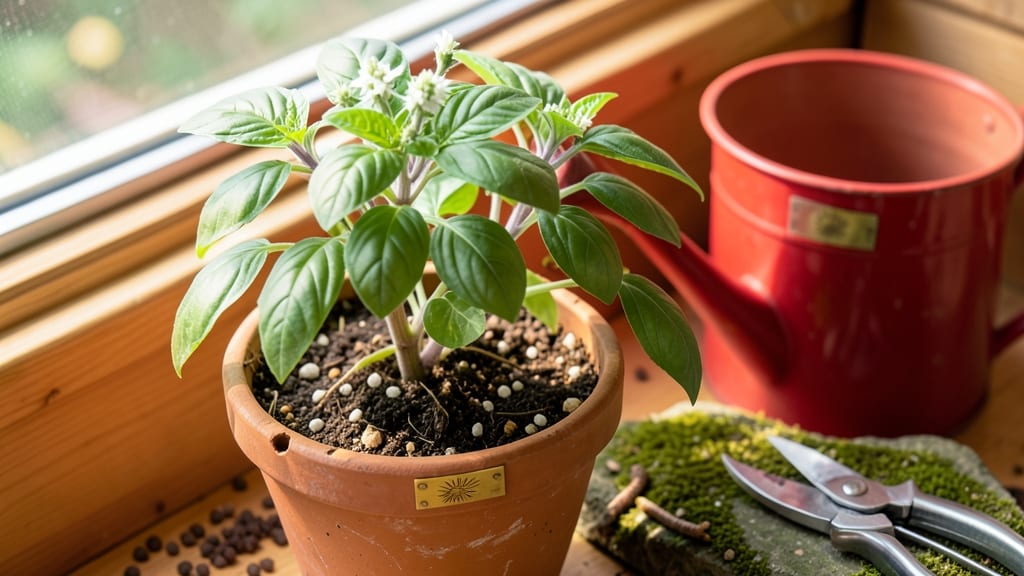
Encouraging basil growth starts with sunlight—6+ hours daily makes all the difference. 🌿 I’ve grown basil in everything from windowsill pots to raised beds, and the plants that get full sun are the ones that stay lush, fragrant, and productive all season.
The secret isn’t just more light—it’s the right kind of light, paired with the right care. Basil thrives when you mimic its Mediterranean roots: well-draining soil, consistent moisture (but never soggy), and regular pruning to encourage bushier growth. Most gardeners overwater or under-prune, which leads to leggy, sparse plants.
I’ve found that pinching back the top sets just above a leaf pair forces the plant to branch out, doubling your harvest potential. By mid-summer, your basil should be bursting with glossy leaves and a pungent, sweet aroma that makes pesto-making a dream.
The key is staying consistent—adjust watering when the soil feels dry an inch down, and move pots to sunnier spots if growth slows. Even a small container on a sunny balcony can yield enough for weeks of cooking.
For those in shadier climates, supplement with a grow light for 4-6 hours daily. The payoff? Basil that grows taller, bushier, and more flavorful than anything from the store. Trust the process, and you’ll never buy basil again.
📚 In This Guide
- What you need
- Instructions
- Tips and common mistakes
- Wrapping up and next steps
What you need
- ● Basil seeds or seedlings: Choose Genovese, Thai, or Sweet basil varieties for best results. If starting from seeds, plan for a 7–14 day germination period.
- ○ Containers: Use pots with drainage holes (minimum 6-inch diameter for one plant, or 12-inch diameter for multiple plants). Self-watering pots are optional but helpful!
- ● High-quality potting mix: A well-draining mix with 50% peat or coconut coir, 30% perlite or vermiculite, and 20% compost. Avoid garden soil—it compacts too easily!
- ● Watering can or spray bottle: A gentle spray (for seedlings) or a watering can with a fine rose (for mature plants).
- ● Fertilizer: A balanced liquid fertilizer (like 10-10-10) or an orgainc option (fish emulsion or compost tea). Dilute to half-strength to avoid burning roots.
- ● Pruning shears or clean scissors: Sharp, sterilized tools to snip stems at a 45-degree angle.
- ● Sunlight: 6–8 hours of direct sunlight daily. A south-facing window or grow lights (12–16 hours/day) work for indoor setups.
- ● Temperature: Ideal range: 70–80°F (21–27°C). Basil hates cold drafts or temps below 50°F (10°C).
- ● Humidity: 40–60%. Use a humidity tray or pebble tray if your air is dry.
- ● Grow lights: LED full-spectrum bulbs (6,500K) for indoor setups.
- ● Mulch: A thin layer of straw or shredded leaves to retain moisture.
- ● Support stakes or cages: For tall varieties like Genovese to prevent flopping.
- ● Aphid spray: Neem oil or insecticidal soap (preventative measure for pesky aphids!).
Step-by-step instructions for encouraging basil growth
Here's how to transform your basil from sparse stems into a bushy, aromatic powerhouse—no fancy tools needed.
☀️ Step 1: Position for Maximum Sunlight
Basil thrives in 6-8 hours of direct sunlight daily, so place your plants where they'll get morning sun and afternoon light. A south-facing window is ideal, but if your space only offers partial sun, rotate the pot quarter-turn daily to keep growth even. You'll see leggy stems if light is insufficient—those are plants stretching desperately toward any available rays.
If you're growing outdoors, avoid placing basil in harsh afternoon sun during summer—it can scorch leaves. Instead, position it where it gets gentle morning warmth and dappled afternoon shade. Watch for leaves that turn pale or crispy at the edges; that's your cue to adjust the location immediately.
💧 Step 2: Water Consistently Without Overdoing It
Keep the soil evenly moist but never soggy—basil roots need oxygen, and too much water suffocates them. Stick your finger 1 inch into the soil; if it feels dry, water thoroughly until it drains from the bottom. Let the top inch dry out between waterings, but never allow the pot to become bone-dry.
Here's the thing—basil hates wet feet. If you notice yellowing lower leaves or stems that feel mushy when touched, you're overwatering. Reduce frequency immediately and ensure the pot has drainage holes. A saucer under the pot helps catch excess, but empty it after 10 minutes to prevent the plant from sitting in standing water.
✂️ Step 3: Prune Regularly for Bushier Growth
Pinch off the top set of leaves when the plant reaches 6 inches tall—this encourages branching instead of letting it grow tall and leggy. Use clean scissors or your fingers to snip just above a leaf node (the bump where leaves grow). You'll see new side shoots emerge within 7-10 days.
Don't skip this step (I learned the hard way). A basil plant left unpruned grows tall and spindly, with all its energy going into one main stem. After the initial pinch, continue trimming the tips of new branches to maintain shape. Harvest leaves regularly too—this stimulates even more growth. Just avoid cutting more than ⅓ of the plant at once.
🌿 Step 4: Feed Lightly for Stronger Leaves
Use a balanced liquid fertilizer (10-10-10) diluted to half-strength every 4-6 weeks during the growing season. Basil doesn't need much—too much fertilizer leads to weak, flavorless leaves. Water the plant first, then apply fertilizer to avoid burning roots. You'll notice richer green color and more vigorous growth within a week.
Organic options like compost tea work too, but avoid heavy-handed applications. Over-fertilizing causes rapid, soft growth that's prone to disease. If your basil starts growing too fast with large, pale leaves, cut back on feeding immediately. The goal is steady, healthy growth—not a fertilizer-induced growth spurt.
🪴 Step 5: Protect from Pests and Temperature Swings
Basil attracts aphids and spider mites, so inspect leaves weekly for tiny webs or sticky residue. Spray affected areas with neem oil solution (1 tsp neem oil + 1 quart water) or rinse with water. Act fast—these pests multiply quickly and weaken plants. You'll see them most often on the undersides of leaves, where they hide from sunlight.
Keep basil in temperatures between 60-80°F. It bolts (goes to seed) when stressed by cold or heat extremes. If nights dip below 55°F, move pots indoors or cover with frost cloth. In hot climates, provide afternoon shade to prevent leaf scorch. A happy basil plant stays lush, fragrant, and productive all season.
Tips & tricks for perfect basil growth
Here's what nobody tells you about growing basil that actually works—no guesswork, just proven results.
Light Strategy: Those 6-8 hours of sunlight are non-negotiable, but here's the secret: if your windows aren't ideal, a simple LED grow light (like a 12-inch model) placed 6-12 inches above the plant for 12 hours a day works just as well. I've seen basil grow just as vigorously under lights as in direct sun—just make sure it's on a timer so you don't forget. The key is consistency, not intensity.
Pruning Technique: When you pinch off those top leaves at 6 inches, don't just grab any leaves—aim for the pair of leaves just below the first set of flowers or buds. This is where new growth emerges most vigorously. I've found that if you wait until flowers appear, you've missed your chance for bushier growth. Think of it like training a vine—you're directing where the plant puts its energy.
Watering Wisdom: The top inch test is perfect, but here's what I do differently: I water until water runs out the drainage holes at the bottom. This ensures the entire root system gets hydrated, not just the top layer. Just make sure your pot has drainage holes—if not, you're setting yourself up for root rot. And never let it sit in saucers of water longer than 10 minutes after watering.
Temperature Rescue: That 50°F threshold is critical, but here's how to handle it: if you can't move your basil indoors, place it near a sunny window with a space heater (set to low) during cold nights. Just keep it 2-3 feet away from the heat source. I've saved many a basil plant this way during late spring cold snaps. The goal is to keep the roots warm while the leaves stay cool—this prevents the blackening you mentioned.
Pro Tips for Encourage Basil Growth
- Here's what nobody tells you about growing basil that actually works—no guesswork, just proven results.
- I've seen basil grow just as vigorously under lights as in direct sun—just make sure it's on a timer so you don't forget.
- Pruning Technique: When you pinch off those top leaves at 6 inches, don't just grab any leaves—aim for the pair of leaves just below the first set of flowers or buds.
Frequently asked questions
How often should I water my basil plants?
Water your basil consistently—about 1 to 1.5 inches per week, depending on your climate. Keep the soil moist but not soggy; overwatering can lead to root rot. Check the top inch of soil daily: if it’s dry, it’s time to water. Morning watering is ideal to prevent fungal issues.
Why is my basil growing slowly or not at all?
Slow growth often stems from inadequate sunlight (basil craves 6+ hours of direct light daily) or poor soil drainage. Ensure it’s in a well-draining pot with nutrient-rich soil. Yellow leaves? You might be overwatering. Pinch back leggy stems to encourage bushier, faster growth.
Can I grow basil indoors without sunlight?
Yes, but you’ll need a grow light (LED or fluorescent) for 12–16 hours daily. Place the basil 6–12 inches from the light. South-facing windows offer the best natural light, but supplement with artificial light if needed. Rotate the pot weekly for even growth.
What should I do if my basil has pests like aphids?
Start with a gentle spray of water to dislodge aphids, then apply neem oil or insecticidal soap (follow label instructions). For severe infestations, introduce ladybugs or use a homemade soap solution (1 tbsp mild soap + 1 quart water). Isolate affected plants to prevent spread.
Is basil sensitive to temperature changes?
Basil thrives in warmth (70–85°F) and struggles below 50°F. Avoid cold drafts or frost, which can kill the plant. If temperatures drop, move potted basil indoors near a sunny window. Heatwaves? Provide shade to prevent wilting—basil prefers consistent warmth over extreme heat.
Wrapping up and next steps
Growing lush, fragrant basil is easier than you think—just follow the sunlight secrets and care tips we’ve shared! With the right balance of light, water, and soil, your basil will thrive, rewarding you with vibrant leaves perfect for cooking or pest control. 🌿
Ready to see your garden flourish? Start by monitoring your plants weekly and adjusting their care as needed. Whether you’re battling aphids or just aiming for that perfect basil harvest, every small step brings you closer to success. Happy growing! 🌞