
How To
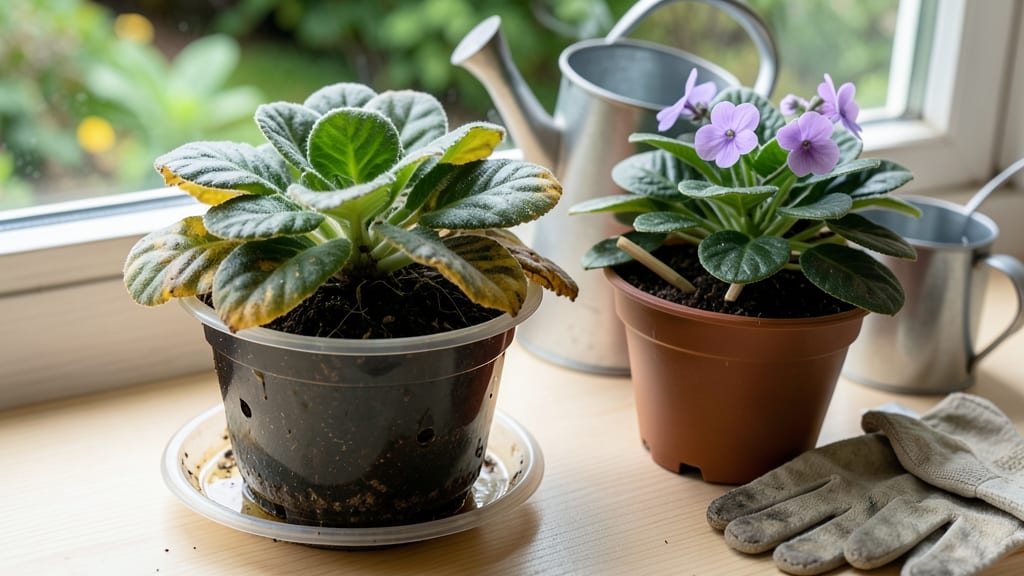
How to fix an overwatered African violet—your plant’s drooping leaves and mushy stems aren’t a death sentence, just a cry for help. 💚 I’ve nursed back more than a dozen of these plants from the brink, and the secret lies in three simple steps that stop the rot and restore health. The key? Acting fast to save the roots before they turn to mush.
First, check the soil: it should feel lightly damp, not soggy. If it’s heavy or smells funky, your plant’s roots are suffocating. Gently remove it from its pot and inspect the roots—black, mushy ones need trimming, while firm white roots can recover.
This is where most gardeners panic, but with the right care, your violet can bounce back in just a few weeks.
After trimming, repot in fresh, well-draining soil and a pot with drainage holes—no excuses. African violets hate wet feet, so water only when the top inch of soil feels dry. Within days, you’ll see new growth pushing through, and those droopy leaves will perk up like they’ve never been overwatered.
This method works for any African violet, whether it’s a thriving houseplant or a struggling gift shop purchase. The trick is consistency: stick to the routine, and you’ll have lush, blooming violets year-round. Trust me, your plant will thank you.
Root Causes of Overwatering
African violets (Saintpaulia) are delicate beauties that thrive in balanced care—but when watering goes wrong, their roots and leaves pay the price. Overwatering isn’t just about too much water; it’s a cascade of environmental and human factors that disrupt their natural hydration needs.
Let’s break down the real culprits behind soggy soil and wilting leaves, so you can spot the warning signs before they strike.
African violets despise "wet feet"—a condition where roots sit in stagnant water, cutting off oxygen and inviting root rot (Phytophthora or Pythium fungi). Here’s why drainage fails:
- Clay or Compacted Soil: Heavy soils (like garden loam) trap water like a sponge, suffocating roots. African violets need airy, fast-draining mixes (e.g., 50% peat moss, 30% perlite, 20% vermiculite). - No Drainage Holes: Pots without holes act like bathtubs, pooling water at the bottom.
Even "self-watering" pots can backfire if excess water isn’t escaping. - Overpotting: Large containers hold moisture longer than the roots can absorb it. Stick to 4–6-inch pots for mature plants.
Pro Tip: 🔍 Test your soil’s drainage by filling a pot, watering it, then timing how long it takes to drain. If it’s still damp after 2 hours, your mix is too dense.
African violets store water in their succulent-like leaves, but their roots are shallow and sensitive. Common watering mistakes include:
- Watering on a Schedule: These plants thrive on soil moisture cues, not calendars.
Stick your finger 1 inch deep—if it’s dry, water; if damp, wait. - Top-Heavy Watering: Pouring directly onto leaves or soil surface causes water to pool, while the roots stay dry. Bottom-watering (placing the pot in a tray of water for 10–15 minutes) ensures even hydration. - Ignoring Seasonal Needs: In winter, growth slows, so water 50% less than in spring/summer.
Overwatering in cold months accelerates rot.
Science Alert: 🧬 African violet roots need oxygen (O₂) to respire. Waterlogged soil displaces O₂, triggering anaerobic conditions—where harmful bacteria and fungi thrive.
Your home’s climate can turn a "light watering" into a death sentence. Key triggers:
- Cold Drafts or AC Blasts: Cool air slows evaporation, keeping soil damp longer.
Keep violets away from windows in winter (where cold meets moisture) and avoid placing them near vents. - High Humidity (60%+): While African violets love humidity (40–50% ideal), excess moisture in the air + waterlogged soil = perfect rot conditions.
Use a hygrometer to monitor levels. - Poor Air Circulation: Stagnant air traps humidity around leaves, promoting fungal diseases like gray mold (Botrytis). A gentle fan (on low) or occasional pot rotation improves airflow.
Fun Fact: 🌡️ African violets native to Tanzania’s highlands evolved to handle warm days (70–80°F) and cooler nights (60°F)—mimic this with a heat mat in winter to regulate soil warmth.
Light isn’t just about brightness—it dictates how fast soil dries. Common light-related overwatering traps:
- Too Much Indirect Light: Bright windowsills cause soil to dry unevenly (top layer dries, bottom stays soggy).
Rotate pots weekly for even exposure. - Low Light + Overwatering: In dim corners, plants drink less, but roots still rot. Supplement with grow lights (12–14 hours/day) to balance hydration needs. - South/West Windows: Intense afternoon sun heats soil, increasing evaporation—but if you’re overcompensating with extra water, the roots drown.
Light Check: 💡 Hold a piece of white paper near the plant for 1 hour. If it’s too dark to read comfortably, your violet is in "low light" territory.
Not all pots are created equal. Material and size play a huge role:
- Glazed or Plastic Pots: These retain moisture longer than terracotta. If you love them, water less frequently (terracotta dries out faster). - No Saucer or Drip Trays: Water pooling under pots creates a moisture blanket that encourages root rot.
Always empty saucers after watering. - Decorative "Cache Pots": The outer pot hides the inner one, trapping excess water. Use only the inner pot for watering and ensure it has holes.
Material Matters: 🏺 Terracotta wicks moisture away, but it also dries out faster—great for forgetful waterers but risky in humid climates.
Sometimes, overwatering is a symptom, not the cause.
Check for: - Scale or Mealybugs: These pests exude honeydew, creating a sticky film that traps moisture against leaves, leading to rot. - Bacterial or Fungal Infections: Dark, mushy stems or yellowing leaves with black spots? Root rot or leaf spot thrive in soggy conditions.
First Aid: 🩹 Isolate the plant, trim affected roots/leaves with sterile scissors, and repot in fresh, sterile soil.
Not sure which cause applies? Run this quick check:
- Smell the soil: Foul, sour, or musty? → Bacterial rot or anaerobic conditions.
- Check the roots: Pull the plant gently.
Black, mushy roots? → Overwatering + poor drainage. 3. Inspect leaves: Yellowing with crisp edges? → Overwatering + low light. Brown, wilted leaves? → Fungal infection.
Remember: African violets are resilient—but they’re also forgiving. Act fast, and you can revive even the most waterlogged plant! (We’ll show you how in the next steps.)
How to Revive Your Drowning Violets
African violets are tough little survivors—but even they can’t handle too much love (especially when it comes to water). If your plant’s leaves are yellowing, the soil smells funky, or the stems feel mushy, it’s time to act.
The good news? With the right steps, you can nurse your violet back to health. Below are targeted fixes based on the root cause of overwatering, plus prevention tips to keep your plant thriving long-term.
If your violet is severely overwatered (think: black, mushy stems or a soggy pot), follow this emergency protocol to save it:
- 🚰 Remove the Plant from the Pot Gently tip the pot and slide the violet out, keeping the root ball intact. If it’s stuck, loosen the soil with your fingers or a fork.
- 🧼 Rinse the Roots (Gently!) Hold the plant under lukewarm running water for 10–15 seconds to wash away excess salts and grime. Avoid scrubbing—just let the water rinse through the roots.
- ✂️ Trim the Rotten Bits Use sterilized scissors (wipe with rubbing alcohol) to snip off:
- Any black, mushy roots (healthy roots are firm and white).
- Yellow or brown leaves at the base (they’re past saving).
- Soft, squishy stems (these won’t recover).
- 🌱 Repot in Fresh, Dry Mix - Choose a well-draining African violet mix (or amend regular potting soil with perlite/pumice for aeration). - Select a terracotta or ceramic pot with drainage holes (plastic traps moisture). - Let the new soil dry out completely before replanting.
Tap the root ball into the pot and fill gaps with dry mix.
- 🌿 Skip Watering for 3–5 Days Let the roots adjust and dry before giving even a sip of water. Resume with the soak-and-dry method (see Fix 3).
💡 Pro Tip: If your violet is too far gone (no healthy roots left), propagate it! Snip off a healthy leaf, let the stem dry for a day, and place it in moist soil. New babies may sprout in 4–6 weeks.
Overwatering often boils down to poor technique. Swap these common mistakes for a violet-approved routine:
| Mistake | Fix It Like This |
|---|---|
| Watering on a schedule | Check soil first! Stick your finger 1 inch into the soil—water only if it’s dry. |
| Top-watering only | Bottom-watering is key: Place the pot in a saucer of water for 10 mins, then drain. |
| Using tap water | Use filtered or distilled water (chlorine/salts harm roots). Let tap water sit 24 hrs if needed. |
| Leaving saucers full | Empty saucers immediately after watering to prevent root rot. |
| Overcrowded pots | Repot every 6–12 months in a pot just 1–2 inches larger than the root ball. |
⏰ Watering Schedule Cheat Sheet:
- Spring/Fall: Every 5–7 days (adjust for humidity).
- Summer: Every 3–5 days (more evaporation).
- Winter: Every 10–14 days (growth slows).
- After repotting: Wait 5–7 days before watering.
African violets hate soggy conditions—but they also need good airflow and light. Tweak these factors to speed up recovery:
- 🌞 Light: Bright, Indirect Only
- Problem: Too little light = leggy, weak stems (prone to rot).
- Fix: Place near an east-facing window or under grow lights (12–14 hrs/day).
- Avoid: Direct sun (burns leaves) or dim corners (encourages mold).
- 💨 Airflow: Prevent Fungal Foes
- Problem: Stagnant air = fungal/bacterial infections.
- Fix:
- Use a small fan on low (2–3 hrs/day) to improve circulation.
- Space plants 2–3 inches apart for airflow.
- Avoid humid bathrooms—move violets to a drier spot.
- 🌡️ Temperature: Keep It Cozy
- Ideal range: 65–75°F (18–24°C).
- Avoid: Drafts (AC vents, open windows in winter).
- Hot tip: Group violets together—they release moisture that benefits each other!
Once your violet is back on track, lock in these habits to prevent future disasters:
- 📅 Use a moisture meter ($10 on Amazon) to check soil moisture—no guesswork!
- 🌱 Choose the right pot: Terracotta wicks away moisture; plastic holds it in.
- 🍃 Mulch lightly: Sprinkle a thin layer of orchid bark on top of soil to slow evaporation.
- 🚫 Avoid ice cube watering (can compact soil and suffocate roots).
- 🔍 Monitor leaf signals:
- Yellow lower leaves? Likely overwatered.
- Purple undersides? Could be underwatered or too much sun.
- Brown, crispy edges? Probably underwatered or low humidity.
- Mild overwatering (yellow leaves, no rot): 2–4 weeks to bounce back.
- Moderate (some root rot, wilting): 4–6 weeks with consistent care.
- Severe (black roots, no growth): May take months—or opt for propagation.
🎯 Stay patient! African violets are resilient. With the right adjustments, your plant will reward you with vibrant blooms in no time.
Need a quick reference? Bookmark this: ✅ Drain = Rinse roots → Trim rot → Repot dry ✅ Water = Bottom-soak → Drain → Wait for dry soil ✅ Prevent = Light + airflow + right pot
Frequently asked questions
How do I know if my African violet is overwatered vs. underwatered?
Check the leaves and soil: overwatered violets have yellow lower leaves, mushy stems, and soil that smells sour or stays damp for days. Underwatered plants show crispy brown edges, dry soil pulling away from the pot edges, and purple undersides on leaves. Stick your finger 1 inch deep—if it's bone dry, it's thirsty; if damp, it's overwatered.
Can I save an African violet with completely black, mushy roots?
Yes, but you’ll need to act fast! Trim all black/mushy roots with sterilized scissors, then repot in fresh, dry soil. Healthy roots are firm and white. Skip watering for 3-5 days to let roots recover. If 90%+ of roots are rotten, try propagating from healthy leaves instead—place a leaf in moist soil and wait for babies to sprout in 4-6 weeks.
Why does my African violet keep getting overwatered even when I water less?
It’s likely a drainage issue! Check your pot—does it have holes? Heavy soil (like garden soil) or plastic pots trap moisture. Switch to a terracotta pot with drainage and use a mix of 50% peat moss, 30% perlite, 20% vermiculite. Also, bottom-watering (placing the pot in a saucer of water for 10 minutes then draining) prevents soggy soil better than top-watering.
How often should I water my African violet after fixing overwatering?
Wait 5-7 days after repotting before watering. After that, use the soak-and-dry method: Place the pot in 1 inch of water for 10-15 minutes, then drain completely. Water again only when the top inch of soil feels dry. In winter, reduce to every 10-14 days—growth slows, so roots need less water.
Will my African violet bloom again after overwatering damage?
With proper care, your violet can bounce back and bloom within 6-8 weeks. Focus on bright indirect light, well-draining soil, and consistent watering. Remove any damaged leaves to redirect energy to new growth. If the plant looks weak, fertilize lightly with balanced liquid fertilizer (10-10-10) every 4-6 weeks once it’s recovered.