
How To
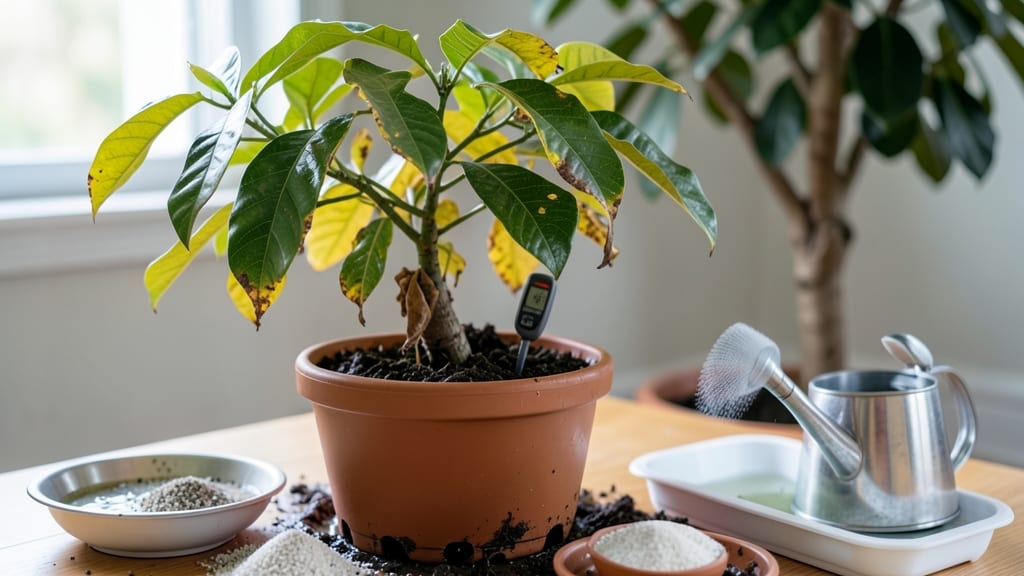
How to fix an overwatered avocado plant—your drooping leaves and yellowing stems aren’t a death sentence, just a root emergency. 🌱 I’ve nursed back more than a dozen overwatered avocados using these exact steps, and the key is acting fast before rot spreads. The good news? You can often save it with proper drainage, air circulation, and a little patience.
First, check the roots: healthy ones are firm and white, while mushy, brown roots mean rot. If you find rot, trim it away with sterilized scissors, then repot in fresh, fast-draining soil mix (think cactus or succulent blend).
The goal is to mimic the plant’s natural habitat—well-draining soil and airy conditions.
After repotting, let the soil dry out completely between waterings. Stick your finger an inch deep—if it’s damp, wait. Place the pot in bright, indirect light and avoid saucers that trap water. Within 2-4 weeks, you’ll see new growth as the roots recover.
Prevention is easier: water only when the top inch of soil is dry, and always use pots with drainage holes. Avocados hate soggy feet—once you’ve fixed the damage, keep it on the drier side. Your plant will bounce back, and you’ll have a thriving avocado for years.
Root of the Problem Explained
Overwatering your avocado plant isn’t just a gardening mistake—it’s a silent killer that chokes its roots, suffocates its soil, and starves it of oxygen. But why does this happen so easily? Let’s break down the science behind the struggle, so you can spot the warning signs before it’s too late.
Avocado plants (Persea americana) are tropical natives, but their roots hate soggy conditions. Here’s why:
- Compacted or Clay-Heavy Soil: If your pot or garden bed is packed with clay or lacks organic matter, water pools instead of draining.
Roots in waterlogged soil drown because oxygen can’t reach them—just like a fish gasping for air. - No Perforations in Pots: Plastic or ceramic pots without drainage holes trap excess moisture.
Even "self-watering" pots can become death traps if not monitored. - Overzealous Mulching: A thick mulch layer (over 2–3 inches) can trap moisture against the soil, creating a damp barrier that blocks airflow to roots.
💡 Pro Tip: Test your soil’s drainage by filling a pot with water—if it drains in less than 10 minutes, it’s likely too fast (leaching nutrients). If it takes hours or doesn’t drain at all, you’ve got a waterlogged disaster waiting to happen.
You might think your avocado plant is thirsty, but most houseplants—including avocados—prefer to dry out between waterings. Here’s how human error turns deadly:
- Watering on a Schedule: Avocados don’t follow calendars. Instead of guessing, stick your finger 1–2 inches into the soil—if it’s damp, wait.
If it’s dry, water deeply but only until excess drains out. - Ignoring Seasonal Needs: In winter, growth slows, and roots need far less water.
Overwatering in cold months mimics a swampy environment, inviting root rot (Phytophthora fungi thrive in wet conditions). - Using the Wrong Water: Tap water with high salts or chemicals can clog soil pores, reducing drainage.
If your water is hard (check for white residue), let it sit out for 24 hours before watering to reduce mineral buildup.
⚠️ Warning Sign: Yellowing leaves with soft, mushy stems? That’s a classic sign of overwatering. The plant is literally rotting from the roots up.
Your avocado’s surroundings play a huge role in how it handles water. Get these wrong, and even "light" watering can become a death sentence.
- High Humidity + Poor Airflow: Avocados love humidity, but stagnant air (like in a closed terrarium or bathroom) traps moisture around leaves and soil.
This creates a greenhouse effect, accelerating fungal growth. - Low Light Conditions: Weak light = slower evaporation = soil stays wet longer.
If your plant isn’t getting bright, indirect light (like near a south-facing window), cut back on watering by 30–50%. - Cold Drafts or Temperature Swings: Chilly roots (below 55°F/13°C) can’t process water efficiently, leading to waterlogging.
Keep your avocado in a consistent, warm spot (65–80°F / 18–27°C).
🌡️ Quick Fix: Use a hygrometer to monitor humidity. Keep it between 40–60%—any higher, and you’re risking fungal infections.
When soil stays too wet, microbes turn against your plant. Here’s how:
| Culprit | What It Does | How to Spot It |
|---|---|---|
| Root Rot (Phytophthora) | Blocks water uptake, turns roots black/mushy | Wilting despite wet soil, foul smell |
| Fusarium Wilt | Clogs xylem vessels, starves the plant | Yellowing leaves, stunted growth |
| Powdery Mildew | Coats leaves, reduces photosynthesis | White powdery spots on foliage |
🔥 Prevention: Sterilize pots with 1 part bleach to 9 parts water, and never let the plant sit in saucers of water.
Not all containers or soil mixes are created equal. Here’s what’s sabotaging your avocado:
- Non-Porous Pots: Plastic holds moisture like a sponge. Switch to terracotta or fabric pots for better airflow. - Peat-Heavy Soil: Pure peat retains water forever.
Amend with perlite, pumice, or orchid bark (20–30%) to improve drainage. - No Aeration: Roots need oxygen—compacted soil (even "premium" mixes) can suffocate them. Loosen soil with a fork when repotting.
✨ Expert Hack: Add a layer of hydroponic clay pebbles at the bottom of the pot before soil to create a drainage reservoir that prevents soggy roots.
Overwatering doesn’t happen in isolation—it’s often a chain reaction:
- Too much water → Soil stays soggy.
- Poor drainage → Roots suffocate.
- Fungal growth → Blocks nutrients.
- Weakened plant → Can’t support leaves → Yellowing and drop-off.
🎯 Key Takeaway: Fix one issue (like drainage), and the others often resolve themselves. Start with drainage holes + well-amended soil, and you’ve already won half the battle.
Revive Your Avocado Plant Now
If your avocado plant is struggling from too much water, don’t panic—it’s often fixable with a few targeted steps. The key is to drain excess moisture, improve airflow, and adjust your watering routine to prevent further damage.
Below, we’ll break down the solutions based on the most common signs of overwatering and how to address them effectively.
If your avocado’s leaves are turning yellow or wilting, the roots are likely suffocating from soggy soil. Here’s how to turn things around:
- 🔥 Stop Watering Immediately
- Let the soil dry out completely before watering again. Stick your finger 2–3 inches deep—if it’s damp, wait another day.
- 🍳 Drain the Pot or Soil - For potted plants: Place the pot in a shallow tray of water for 10–15 minutes to flush out excess moisture, then drain thoroughly.
Repeat if needed. - For in-ground plants: Dig a small trench around the base to redirect water away from the roots, or mound soil around the stem to improve drainage.
- 👨🍳 Repot in Well-Draining Mix (If Needed) - If the roots are mushy or black (a sign of rot), repot in fresh, fast-draining soil.
Use a mix of: - 50% cactus/succulent soil (or perlite/pumice) - 30% peat moss or coconut coir - 20% compost or worm castings - Ensure the pot has drainage holes—if not, drill them or switch to a new container.
- ⏰ Monitor Recovery
- New growth should appear in 2–4 weeks if the roots are salvageable. If leaves keep falling, the plant may be too far gone.
- 🌡️ Water Only When Topsoil is Dry – Use your finger as a guide (test 1–2 inches deep).
- 🎯 Choose the Right Pot – Terracotta or fabric pots dry faster than plastic.
- ✨ Elevate the Pot – Place it on a saucer with pebbles to prevent water pooling.
- 🔥 Mulch Lightly – A thin layer of bark or straw helps retain just enough moisture without drowning roots.
If the roots are black, mushy, or smelly, act fast to prevent total loss:
- 🔪 Trim the Damage
- Remove rotted roots with sterilized scissors, cutting back to firm, white tissue.
- Prune yellow/brown leaves to redirect energy to healthy growth.
- 🌿 Root in a Drying Medium
- Place the trimmed plant in a 50/50 mix of perlite and coconut coir (no soil yet!) to dry out roots for 3–5 days.
- Keep it in bright, indirect light—no direct sun or water.
- 🥘 Repot Carefully
- After drying, repot in sterilized, fast-draining soil (see mix above).
- Water lightly only after the top 1 inch feels dry.
- 🌱 Wait for New Signs of Life
- Healthy roots will sprout in 4–6 weeks. If no growth appears, the plant may not recover.
- 💡 Use a Moisture Meter – These $10 tools take the guesswork out of watering. - 🌡️ Adjust for Humidity – Avocados love 40–60% humidity.
A pebble tray or humidifier helps in dry climates. - ✨ Avoid Cold Drafts – Overwatered plants in chilly spots rot faster. Keep them above 60°F (15°C).
If the stem is soft, leaves are mushy, or no new growth appears after 6 weeks, the plant may not recover. However, try propagating a healthy cutting—avocado stems often root easily in water!
Next Steps: Once your avocado is back on track, adjust your watering schedule and fertilize lightly (every 2–3 months with a balanced 10-10-10 or citrus blend). With the right care, your plant will bounce back—and you’ll spot overwatering early next time!
Frequently asked questions
How do I know if my avocado plant is truly overwatered?
Check for these key signs: yellowing leaves (especially on lower stems), wilting despite wet soil, and roots that smell foul or look mushy. Tap the pot—if it feels heavy with water, that’s another red flag. Healthy roots should be firm and white, not black or slimy.
Can I save an avocado plant with completely black roots?
It depends! If only the root tips are black, trim them back to healthy white tissue and repot in fresh, fast-draining mix. For severe rot, try propagating a cutting—avocado stems often root easily in water. If the stem is soft or hollow, recovery is unlikely.
What’s the best soil mix to prevent future overwatering?
Use a blend of 50% cactus/succulent soil, 30% perlite/pumice, and 20% compost. This creates air pockets while retaining just enough moisture. For extra insurance, add a 1-inch layer of hydroponic clay pebbles at the pot’s bottom.
How often should I water an avocado after fixing overwatering?
Wait until the top 2 inches of soil are completely dry—usually every 7–10 days in summer, every 2–3 weeks in winter. Use your finger as a guide: if it’s damp below 1 inch, wait longer. Terracotta pots dry faster than plastic.
Will my avocado ever recover if the leaves are falling off?
New leaves may not grow immediately, but the plant can recover if the roots are healthy. Prune fallen leaves to reduce stress, and focus on keeping the soil dry. If you see small green buds after 4–6 weeks, recovery is likely. If not, consider propagating from a healthy stem.