
Watering
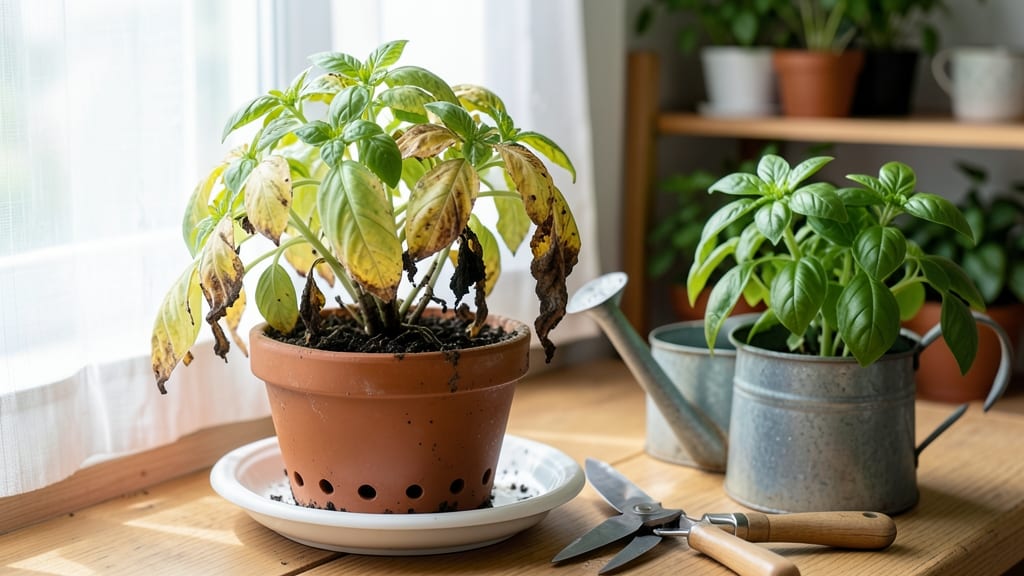
How to fix overwatered basil—your drooping leaves don’t mean it’s dead, just drowning. 🌱 I’ve revived more soggy pots than I’d like to admit, and the secret lies in quick action. The first step? Stop watering immediately and let the soil dry out completely.
Yellowing leaves and mushy stems are classic overwatering red flags. Drain excess water, then check drainage holes—if they’re clogged, your plant can’t breathe. Repot if needed, and use a well-draining potting mix to prevent future soggy soil.
Within 24 hours, you’ll see improvement as roots recover. Keep soil lightly moist but never soggy, and place your basil in bright, indirect light. This isn’t just a fix—it’s a lesson in balance.
For long-term health, water only when the top inch feels dry. A moisture meter or finger test works best. Your basil will bounce back stronger, and you’ll spot early signs of overwatering before they become a crisis.
Common Causes of Overwatered Basil
Overwatering basil isn’t just a gardening mistake—it’s often the result of well-intentioned habits or environmental factors that disrupt the plant’s delicate balance. Understanding why this happens is the first step to preventing it. Let’s break down the key culprits behind soggy soil and sad basil leaves.
Basil thrives in well-draining soil, but many gardeners unknowingly trap excess moisture in containers. Here’s why this happens:
- Compacted or heavy soil: Potting mixes with high clay or peat content retain water like a sponge. Without air pockets, roots suffocate, leading to anaerobic conditions (lack of oxygen), which triggers rot. Test your soil: Squeeze a handful—if it holds its shape, it’s too dense.
- Missing or clogged drainage holes: Even the best soil can’t escape if the pot has no exit. Roots absorb water until the container becomes a swamp. Check your pots: If they lack holes or have debris blocking them, water pools at the bottom.
- Overpotting: A pot that’s too large holds excess moisture longer than the roots can use. Basil in a 12-inch pot may never dry out if you water it twice a week. Rule of thumb: Choose a container only 1–2 inches larger than the root ball.
💡 Pro Tip: Amend heavy soil with perlite, vermiculite, or coconut coir (20–30% by volume) to improve aeration. For repurposed pots (like mugs or ceramic bowls), drill drainage holes or use a cache pot (a smaller pot inside the decorative one with pebbles beneath).
Basil’s roots are shallow but sensitive—too much too often throws them into chaos. Here’s how inconsistent watering backfires:
- Overwatering after drought stress: If basil wilts from thirst, a deep soak might seem like a lifesaver. But soggy soil after dry spells shocks the roots, causing osmotic stress (cells absorb too much water too fast and burst). Solution: Water lightly at first, then gradually increase volume.
- Ignoring the "finger test": Sticking your finger 1–2 inches into the soil tells you the truth. If it’s damp, wait. If it’s bone-dry, water thoroughly. Mistake: Assuming basil needs water every 2 days—it doesn’t! Most need water every 5–7 days in warm weather.
- Watering on a schedule: Rainy days + automatic sprinklers = disaster. Basil in pots can drown in 24 hours if left in standing water. Fix: Use a moisture meter or lift the pot—if it’s heavier than expected, hold off.
🌡️ Climate Matters: Basil in humid climates (like Florida or Southeast Asia) needs less water than in dry heat (like Arizona). Adjust your routine: water when the top inch is dry, not on a calendar.
Your basil isn’t just reacting to water—it’s responding to its entire ecosystem. These factors often team up with overwatering:
| Factor | Why It Causes Overwatering | Fix It |
|---|---|---|
| 🌿 Low Light | Basil grows slowly in shade, so roots can’t absorb excess water fast enough. The soil stays damp longer, inviting Pythium (a water mold). | Move to 6+ hours of direct sun or supplement with grow lights. |
| ❄️ Cold Temperatures | Below 50°F (10°C), basil’s metabolic rate drops. Roots slow down, but you might still water as usual, leading to waterlogging. | Reduce watering by half in cool weather. Use a mulch (straw or grass clippings) to insulate roots. |
| 💨 No Airflow | Stagnant air traps humidity around leaves, making the plant think it’s in a rainforest. Overwatering + high humidity = fungal infections (like downy mildew). | Space plants 12+ inches apart or use a small fan on low for 1 hour/day. |
✨ Key Insight: Basil in a greenhouse or kitchen windowsill (where humidity spikes) may need 30–50% less water than outdoor plants. Monitor closely!
Sometimes, the problem starts before you even water. These mistakes set basil up for failure:
- Crowded roots: Transplanting basil too close to other plants (or overcrowding in pots) forces roots to compete for oxygen and space. Result: Water pools around congested roots, leading to rot.
- Wrong soil pH: Basil prefers 6.0–7.0 pH. Acidic soil (below 6.0) can cause nutrient lockout, weakening roots so they can’t handle moisture well. Test it: Use a soil pH kit or vinegar/baking soda test.
- No mulch: Without a 1–2 inch layer of mulch (straw, shredded leaves), soil dries unevenly. You might overwater to compensate, but the roots stay damp at the bottom. Mulch helps: Retains moisture without suffocating roots.
🔥 Quick Fix: If your basil is already struggling, repot it in fresh, well-draining soil with perlite. Trim any mushy roots with sterilized scissors before replanting.
Revive Your Basil Fast
Now that you know the signs and root causes of overwatered basil, it’s time to take action! The good news? With the right steps, you can often bring your plant back to life within 24 hours—or even sooner.
Below are practical, step-by-step solutions tailored to the most common causes of overwatering, plus prevention tips to keep your basil thriving long-term.
Cause: Overwatering creates waterlogged soil, cutting off oxygen to roots and inviting rot. Fix:
- Pause all watering for at least 24–48 hours to let excess moisture evaporate.
- If the soil feels soggy or smells musty, wait even longer (up to 72 hours).
- Pro Tip: 💡 Use your finger to test moisture—if the top 1–2 inches of soil are damp, hold off on watering.
Cause: Compacted or poorly draining soil traps water, suffocating roots. Fix:
- Repot if needed: If your basil is in a container without drainage holes, transfer it to a pot with holes immediately. Use a well-draining potting mix (like a blend of potting soil, perlite, and coconut coir).
- For in-ground basil: Loosen the soil around the base with a fork or trowel to improve aeration. If the area stays soggy, consider raising the plant by adding a mound of fresh soil or compost.
- Emergency Drainage: 🥘 Place the pot on a towel or tray to absorb excess water from the bottom.
Cause: Yellow, mushy, or blackened leaves waste energy the plant could use to recover. Fix:
- Snip off: 🔪 Use clean scissors or pruning shears to cut away:
- Yellow leaves (signs of rot or nutrient loss).
- Mushy or blackened leaves (fungal/bacterial infection).
- Overly wilted stems (if they don’t perk up after rehydration).
- Don’t panic! Removing damaged foliage helps the plant focus on new, healthy growth.
Cause: Inconsistent watering or ignoring soil conditions leads to repeat overwatering. Fix:
- Water only when the top 1–2 inches of soil are dry (stick your finger in to check!).
- Morning watering is best—it allows excess moisture to evaporate during the day.
- Use the "thumb test": Press your thumb into the soil. If it feels damp below 1 inch, wait another day.
- For containers: Ensure pots are at least 6–8 inches deep with drainage holes. Terracotta pots help wick away moisture faster.
Cause: Weak light or poor airflow slows drying and recovery. Fix:
- Move to bright, indirect light (a sunny windowsill or under grow lights). Basil needs 6+ hours of light daily.
- Improve airflow: 🌬️ Place a small fan nearby (on low) to mimic outdoor breezes—this prevents fungal growth.
- Space plants apart if growing multiple basil plants to reduce humidity around leaves.
Cause: Overwatering flushes out nutrients, leaving basil weak. Fix:
- Wait 3–5 days after reviving the plant before fertilizing.
- Use a balanced, water-soluble fertilizer (like 10-10-10) diluted to half strength.
- Organic option: 🥗 Mix in compost tea or a weak fish emulsion solution for a gentle nutrient boost.
- Upgrade your soil: Use a fast-draining mix (e.g., 60% potting soil + 30% perlite + 10% compost).
- Monitor weather: 🌧️ Reduce watering during rainy spells or high humidity.
- Check pots regularly: Empty saucers under pots to avoid sitting water.
- Rotate your plant: Ensures even light exposure and prevents leggy growth.
By following these steps, your basil should perk up within 24 hours—and with proper care, it’ll bounce back stronger than ever! 🌿💚 For persistent issues (like root rot), repotting with fresh soil may be necessary, but most overwatered basil recovers with patience and the right adjustments.
Frequently asked questions
How quickly can I expect to see improvement after fixing overwatered basil?
With proper care, you’ll often notice recovery within 24 hours. The leaves should perk up as roots regain oxygen, and new growth may appear in 3-5 days. For severe cases, it might take up to a week, but consistent light and proper drainage speed up the process.
What should I do if my basil's stems feel mushy when I touch them?
Mushy stems indicate root rot—cut away the affected areas with clean scissors, then repot in fresh, well-draining soil. Trim back to healthy green tissue, and avoid watering for 48 hours to let roots recover. If the rot spreads, you may need to start fresh with a new cutting.
Can I save basil that's completely blackened at the base?
If the blackening has spread to the stem base, the plant is likely beyond saving. However, if only the leaves are black, trim them off and focus on reviving the stem. For partial damage, propagate healthy stems in water—new roots will form in 1-2 weeks, giving you a fresh start.
How often should I water basil after fixing overwatering issues?
Water only when the top 1-2 inches of soil feel dry—typically every 5-7 days in warm weather. Use the finger test: if moisture remains below 1 inch, wait another day. Terracotta pots dry faster than plastic, so adjust accordingly.
Will my basil taste different after recovering from overwatering?
Not at all! Once roots recover, the flavor returns to normal. The only difference is that properly cared-for basil develops richer, more aromatic oils. Focus on consistent light and balanced watering, and you’ll enjoy the same sweet, peppery taste you love.