
How To
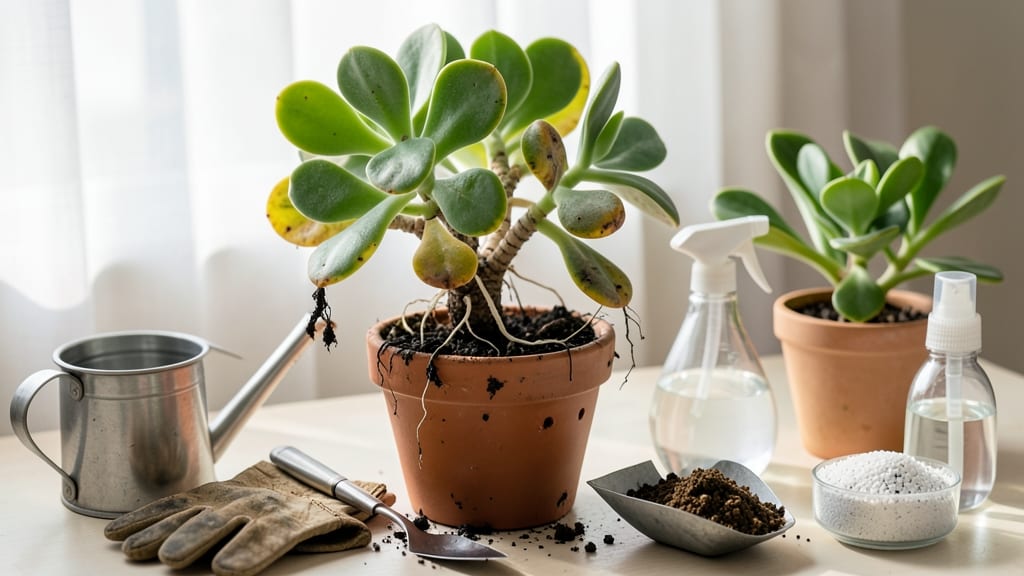
How to fix an overwatered jade plant—it’s not as hopeless as it looks, and with the right care, you can bring it back to life. 🌱 I've nursed back more "overwatered" jades than I can count, and the secret is in the roots (yes, really). What starts as yellow leaves or mushy stems can turn around faster than you think with the right approach.
The first step is always the same: stop watering immediately and let the soil dry out completely. Jade plants are succulents—they store water in their leaves, not the soil.
Grab a small pot, some fresh cactus/succulent mix, and a sharp pair of pruners. You'll be surprised how much damage you can fix with just these three simple tools.
Within 2-3 weeks, you'll see new growth pushing from the base, and those sad stems will perk up. The key is patience—don't rush to water again until the top inch of soil feels completely dry.
I've seen plants that looked finished bounce back to full health, and you can too.
Here's the thing—once you've saved it, you'll never treat your jade the same way again. We're talking monthly watering in summer, and you'll watch it grow into that thick, bushy plant you've always dreamed of. The best part? Any healthy cuttings you take during recovery can become new plants.
📚 In This Guide
- What you need
- Instructions
- Tips and common mistakes
- Wrapping up and next steps
What you need
- ● Well-draining potting mix: 1 bag (1-2 gallons) – Use a cactus/succulent mix (e.g., 50% potting soil, 50% perlite/pumice). Avoid regular garden soil!
- ● Clean pots: 1-2 pots (slightly larger than the current one, with drainage holes). Terracotta is ideal for airflow.
- ● Pruning shears or sharp scissors: Sterilized (rubbing alcohol wipe) to trim soggy roots.
- ○ Spray bottle: For gentle misting (optional but helpful for humidity-sensitive jades).
- ● Paper towels or clean cloth: To pat dry roots and clean tools.
- ○ Rooting hormone (optional but recommended): A small tube (e.g., fast-root) to boost recovery.
- ● Drainage tray or saucer: To catch excess water (ensure it’s empty after watering!).
- ● Hydrogen peroxide (3% solution): 1 small bottle – Dilute (1:1 with water) to disinfect roots if fungal issues are suspected.
- ● Fungicide (e.g., neem oil spray): Pre-mixed bottle – For preventing mold/bacteria (use sparingly!).
- ● Grow lights or sunny windowsill: Ensure bright, indirect light (4+ hours/day) for recovery.
- ● Moisture meter: To check soil dryness before watering again (prevents future overwatering!).
Tips & tricks for perfect jade plant revival
Real talk: Reviving an overwatered jade plant takes patience, but these tricks make all the difference. Here’s how to avoid common pitfalls and give your plant the best shot at recovery.
Root Trimming Precision: In Step 1, when you’re trimming those mushy roots, look for the transition point where healthy white roots meet the blackened sections. Cut just beyond that line—don’t be afraid to be aggressive. I’ve seen plants bounce back beautifully even after losing 70% of their roots. The key is removing all the soft, discolored parts, not leaving any behind. This might feel harsh, but it’s the only way to stop the rot from spreading.
Soil Selection Matters: Step 2 emphasizes fast-draining soil, but here’s the thing: not all cactus mixes are created equal. If you’re using a pre-mixed blend, check the ingredients—some contain peat moss, which holds moisture. For the best results, mix your own using 60% pumice or perlite and 40% coarse sand or grit. This combination mimics the jade’s natural desert habitat and prevents future soggy soil issues. Pro tip: Add a handful of crushed granite for extra drainage.
Lighting Strategy: The 7-10 days of bright, indirect light in Step 3 are critical, but not all homes have ideal window placement. If your plant is in low light, supplement with a full-spectrum LED grow light (12-14 hours daily) positioned 6-12 inches above the plant. Avoid placing it too close—jade leaves can scorch if exposed to intense heat. I’ve revived plants in dim offices this way, and the difference in leaf firmness after just 3 days is noticeable.
Watering Reset: After the initial 7-10 day wait, resist the urge to check soil moisture too often. Jade plants in recovery need consistency, not frequent disturbances. Use a small wooden skewer instead of your finger to test moisture—it’s gentler and less likely to compact the soil. Once you do water, give it a thorough soak until water runs freely from the drainage holes. This ensures the entire root system gets rehydrated properly, not just the top layer.
Pro Tips for Fix Overwatered Jade Plant
- Real talk: Reviving an overwatered jade plant takes patience, but these tricks make all the difference.
- Root Trimming Precision: In Step 1, when you’re trimming those mushy roots, look for the transition point where healthy white roots meet the blackened sections.
- Soil Selection Matters: Step 2 emphasizes fast-draining soil, but here’s the thing: not all cactus mixes are created equal.
Frequently asked questions
Got questions about reviving your soggy jade plant? Here are some common concerns—and quick fixes—to get your succulent back on track!
How often should I water my jade plant after fixing overwatering?
Let the top 2–3 inches of soil dry out completely before watering again. Jade plants thrive on neglect—water every 2–3 weeks in warm months and even less in winter. Stick your finger in the soil: if it’s dry, it’s time! Pro tip: Use a moisture meter for precision.
Can I save a jade plant with mushy, black roots?
Yes, but act fast! Trim all mushy roots with sterile scissors, then let the cuttings dry for 1–2 days. Repot in fresh, well-draining soil (like cactus mix) and avoid watering for 5–7 days. Healthy roots will regrow in 4–6 weeks if the stem stays firm.
How long does it take for an overwatered jade plant to recover?
With proper care, you’ll see improvement in 2–4 weeks:
- Week 1–2: Stop wilting, new growth may appear.
- Week 3–4: Roots harden, leaves plump up.
What’s the best soil mix to prevent future overwatering?
Use a chunky, fast-draining mix like:
- 60% cactus/succulent soil
- 30% perlite or pumice (for aeration)
- 10% coarse sand (optional)
My jade plant’s leaves are yellow and falling off—is it too late?
Not necessarily! If the stem is still firm and roots are salvageable (after trimming), it can recover. Focus on:
- Pruning dead leaves
- Repotting in dry soil
- Bright, indirect light
Wrapping up and next steps
Reviving an overwatered jade plant is totally doable—just take it one step at a time! 🌱 By adjusting your watering habits, repotting with fresh soil, and giving your plant the right conditions, you’ll see those plump leaves bouncing back in no time. Remember, patience and consistency are key.
Now that you’ve got the know-how, grab your jade plant and start the revival process today! Want to keep your green thumb thriving? Check out our guide on maintaining a healthy jade plant long-term for extra tips and tricks. Happy gardening! 🌿✨