
How To
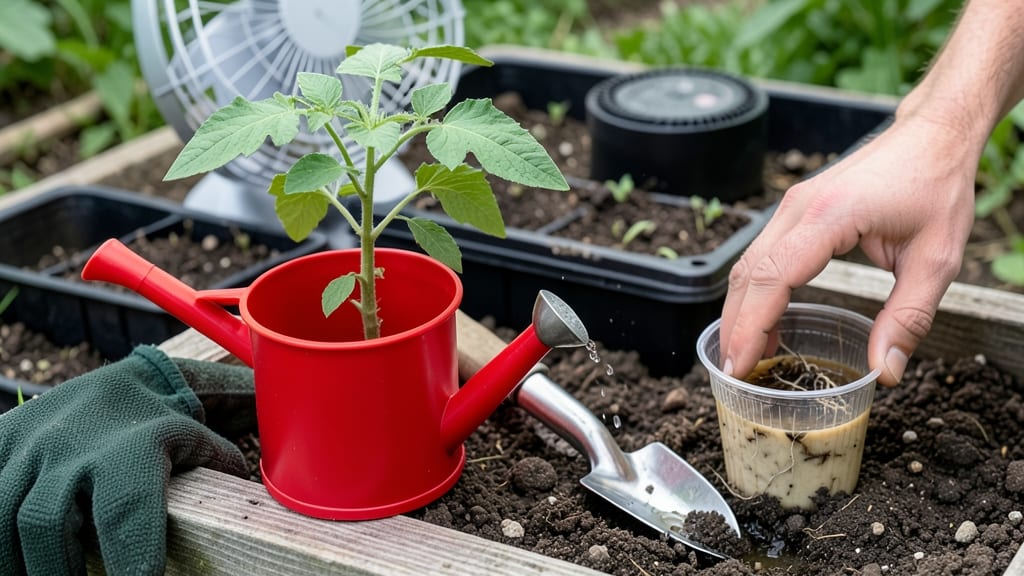
Your seedlings look like sad little noodles after too much love—but how to fix an overwatered seedling is simpler than you think. 💦 Overwatering turns crisp stems to mush and yellows leaves overnight—but I’ve saved dozens of plants from this fate with simple fixes.
The key? Stopping the damage fast and giving roots room to breathe again.
First, check the soil: it should smell fresh, not like a swamp. Gently squeeze a handful—if water drips out, you’re still overdoing it. Move the seedling to a pot with drainage holes (no exceptions!) and use a mix of potting soil and perlite to prevent soggy roots.
Herbs like basil need barely moist soil, while veggies like peppers can handle slightly more moisture—but never soggy.
Within 3 days, you’ll see new growth if you adjust watering to just when the top inch of soil feels dry. Trim any blackened stems with clean scissors, and avoid fertilizing until the plant recovers. The worst part? Root rot spreads fast, so act now before it’s too late.
Prevention is easier: water only when soil is dry, and use saucers under pots to catch excess. For future seedlings, stick your finger in the soil—if it’s damp, wait. This method works for everything from delicate herbs to sturdy tomato starts. Let’s get those plants back on track!
Root Causes of Overwatered Seedlings
Overwatering seedlings might seem counterintuitive—after all, plants need water to grow! 🌱 But too much moisture disrupts the delicate balance of oxygen, nutrients, and microbial activity in the soil, leading to stress, rot, and even death.
Understanding the why behind overwatering helps you avoid it in the future. Let’s break down the key culprits:
---
Seedlings suffocate when excess water pools around their roots because they can’t access the oxygen they need to respire. Here’s why this happens:
- Compacted or Heavy Soil: Clay-heavy or poorly amended potting mixes retain water like a sponge, leaving no air pockets for roots.
If your soil feels slick or clumps when dry, it’s likely too dense. - No Drainage Holes: Containers without holes trap water, turning the root zone into a swamp.
Even "self-watering" pots can backfire if not monitored. - Overzealous Watering: Pouring water until it runs out the bottom every time forces roots to sit in saturated conditions. Seedlings only need 1–2 tablespoons of water per pot (or until the top inch of soil is moist).
Pro Tip: 🔥 Use a mix of 50% potting soil, 30% perlite/vermiculite, and 20% compost to improve aeration. Test drainage by filling a pot with water—if it drains in under 10 minutes, it’s good to go.
---
Extreme conditions can trick you into overwatering while also preventing evaporation, keeping soil soggy longer.
- Cold Soil: Below 50°F (10°C), soil microbes and roots slow down, reducing water absorption.
You might water on schedule, but the plant can’t use it fast enough. - High Humidity: If your seedlings are in a humid environment (like a greenhouse or bathroom), the air is already saturated with moisture.
Extra watering just adds to the problem. - Lack of Airflow: Stagnant air around seedlings (e.g., no fan or crowded trays) slows evaporation, making soil stay damp longer.
Fix It: 🌡️ Keep seedlings in 65–75°F (18–24°C) conditions and use a small fan on low to increase transpiration (water loss through leaves), which naturally dries the soil.
---
The wrong container can turn your watering routine into a death sentence for roots.
- Too Small Pots: Roots outgrow the space quickly, and water has nowhere to escape, leading to anaerobic conditions (no oxygen). This triggers root rot within 24–48 hours of overwatering. - Non-Porous Materials: Plastic or glazed ceramic pots don’t "breathe," trapping moisture against roots.
Even if the soil looks dry on top, the bottom could be a muddy mess. - Grouped Trays Without Spacing: When pots sit in trays filled with water, they wick moisture from each other, creating a chain reaction of soggy soil.
Solution: 🪴 Use biodegradable pots (like peat or coconut coir) for seedlings—they allow roots to escape and improve drainage. If repotting, choose containers only slightly larger than the root ball (max 2–3 inches wider).
---
Even well-meaning gardeners can drown seedlings with these habits:
- Watering on a Schedule: Seedlings don’t need daily water—check soil moisture first!
Stick your finger 1 inch deep; if it’s damp, wait. - Using Ice Cubes or Spray Bottles: While these methods seem gentle, they add moisture slowly but consistently, keeping soil perpetually damp.
Reserve them for post-transplant shock or seed germination only. - Ignoring the Weather: Rainy days or high humidity mean no watering at all. A quick check outside can save your seedlings from drowning.
Quick Test: ⏰ The "squeeze test"—gently press the soil with your fingers. If water drips out, it’s overwatered. If it holds shape like a damp sponge, it’s time to water.
--- Healthy soil is a living ecosystem, but overwatering throws it off balance:
- Fungal Overgrowth: Fungi like Pythium and Phytophthora thrive in waterlogged soil, attacking roots and cutting off nutrient uptake.
You’ll see black, mushy roots or yellowing leaves with no wilting. - Bacterial Buildup: Too much moisture creates anaerobic pockets, where harmful bacteria (like Erwinia) multiply, causing soft rot in stems. - Nutrient Lockout: Overwatered soil flushes away essential nutrients (like nitrogen and phosphorus) before roots can absorb them, starving the seedling even as it drowns.
Prevent It: 🌱 Add 1 tbsp of perlite or sand per gallon of potting mix to boost aeration. For infected soil, sterilize with a 10% hydrogen peroxide solution (1 part peroxide to 9 parts water) before replanting.
Reviving Your Seedlings Step by Step
Overwatered seedlings can feel like a lost cause, but with the right approach, you can nurse them back to health—often in just a few days! The key is acting fast, diagnosing the root issue, and applying targeted fixes.
Below, we’ll map out solutions based on the most common causes of overwatering, along with practical steps to turn things around.
---
If your seedlings have mushy stems, yellow leaves, or a foul smell, root rot is likely the culprit. This happens when roots suffocate in soggy soil, cutting off oxygen and inviting fungal infections.
#### 🔥 Step 1: Remove from Waterlogged Soil 1. Gently lift the seedling from its container, shaking off excess soil to inspect the roots. 2. Trim any black, mushy roots with clean scissors (healthy roots are firm and white).
Discard the worst-affected parts to prevent further spread. > 💡 Pro Tip: If roots smell rotten or crumble easily, it’s a clear sign of rot—don’t hesitate to prune aggressively!
#### 🍳 Step 2: Disinfect & Repot 1. Rinse the roots under lukewarm water to remove old soil and fungal spores.
2. Dip trimmed roots in a 1:10 hydrogen peroxide solution (3% peroxide) for 5–10 minutes to kill lingering pathogens. Skip this if using sensitive plants like tomatoes or peppers. 3. Repot in fresh, sterile soil—mix 50% well-draining potting mix with 50% perlite or vermiculite to improve aeration.
Avoid garden soil, which can reintroduce pathogens.
#### 🌱 Step 3: Adjust Watering & Monitor - Water lightly only when the top 1–2 inches of soil feel dry (stick your finger in to check). - Place the pot in a tray with drainage holes to catch excess water, but never let seedlings sit in standing water. - Move to bright, indirect light (avoid direct sun, which stresses weak seedlings).
⏰ Recovery Time: 3–5 days if caught early. If leaves stay limp or new growth is stunted, repeat the process or consider propagating healthy stems.
---
Wilting without yellowing or rot often means overwatering without proper drainage—think of it as a "waterlogged shock." The soil may be damp but compacted, suffocating roots.
#### 👨🍳 Step 1: Loosen the Soil 1. Gently loosen the soil around the seedling’s base with a chopstick or small fork to improve airflow. 2. Add coarse sand or perlite (1–2 tbsp) to the existing soil to break up compaction.
#### 🥘 Step 2: Control Moisture with the "Finger Test" - Water only when the top 1 inch of soil is dry—overwatering is often a habit, not a one-time mistake! - Use a spray bottle for delicate seedlings instead of pouring water directly onto the soil. - Bottom-watering trick: Place the pot in a shallow tray of water for 10–15 minutes, then drain excess.
This encourages roots to grow downward.
#### 🌡️ Step 3: Optimize Humidity & Airflow - Increase airflow by spacing seedlings apart or placing a small fan on low setting nearby (mimics natural wind). - Reduce humidity around seedlings by avoiding plastic covers or misting.
If the air feels too damp, prop the pot on a wire rack to allow airflow underneath.
✨ Prevention Tip: Use self-watering pots with moisture meters or terracotta containers (they dry out faster than plastic).
---
If you spot white, fuzzy mold (like cotton balls) or black spots on leaves or soil, fungal infections (e.g., Pythium or Fusarium) have taken hold.
#### 🔪 Step 1: Sterilize the Environment 1. Remove all affected seedlings and discard them in the trash (not compost). 2. Wipe down surfaces (tables, trays, tools) with a 10% bleach solution (1 part bleach to 9 parts water) or rubbing alcohol.
3. Replace contaminated soil—sterilize old soil by baking it at 200°F (93°C) for 30 minutes or discarding it.
#### 🎯 Step 2: Treat Healthy Seedlings 1. Spray remaining seedlings with a fungicide mix: - DIY option: 1 tsp baking soda + 1 quart water + a few drops of dish soap (reapply every 5–7 days). - Store-bought: Use a copper-based fungicide or neem oil solution (1 tsp neem oil + 1 quart water + 1 tsp mild soap).
2. Space seedlings widely to improve airflow and reduce humidity.
#### 🌱 Step 3: Adjust Care Routine - Water in the morning so foliage dries quickly. - Avoid overhead watering—use a watering can with a narrow spout to direct water at the soil. - Rotate pots weekly to ensure even light exposure (prevents weak, mold-prone growth).
--- Don’t let overwatering strike twice!
Follow this quick-reference guide to keep seedlings thriving: | Problem | Fix | Prevent With | |---------------------------|------------------------------------------|-------------------------------------------| | Compacted soil | Add perlite/sand | Use well-draining seedling mix | | No drainage holes | Repot in containers with holes | Terracotta pots or fabric grow bags | | Inconsistent watering | Finger-test soil daily | Self-watering trays or moisture meters | | High humidity | Increase airflow | Small fan or dehumidifier | | Fungal outbreaks | Sterilize tools/soil | Neem oil spray (preventative) |
--- Final Note: Overwatered seedlings can bounce back faster than you think—patience and precision are your best tools. Start with the most severe symptoms (rot > wilting > mold), and adjust care gradually. Within days, you’ll see stronger stems and vibrant new growth! 🌱✨
Frequently asked questions
How do I tell if my seedling is overwatered vs. underwatered?
Check the soil first: if it's soggy and smells foul, you're overwatering. Overwatered seedlings have yellow leaves, mushy stems, and may wilt despite damp soil. Underwatered seedlings have crispy brown edges, dry soil pulling away from pot sides, and may wilt but with dry soil. Always test with your finger—if the top inch feels damp, wait to water.
Can I save a seedling with completely black stems?
It depends on how deep the rot goes. If only the top 1 inch is black, trim above the healthy green tissue with clean scissors and repot in fresh soil. If the entire stem is black and mushy, propagation may be your only option—cut above the rot and try rooting the healthy portion in water. For severe cases, start fresh with new seeds.
How often should I water seedlings after fixing overwatering?
After recovery, water only when the top 1 inch of soil feels dry to the touch. For most seedlings, this means every 3-5 days in warm conditions, or every 7-10 days in cooler weather. Use a spray bottle for delicate herbs and bottom-watering (placing pot in water for 10 minutes) for heartier plants like tomatoes.
Will my overwatered seedling recover if I just stop watering?
No—that's actually worse! Stopping completely can shock the plant further. Instead, reduce watering immediately and improve drainage by repotting in fresh soil with perlite. The key is to let the roots dry out slightly between waterings. Place the pot in bright, indirect light and avoid fertilizing until new growth appears.
Can I use coffee grounds to help fix overwatered seedlings?
Coffee grounds can help in moderation, but they're not a cure-all. Use them to improve soil structure by mixing 1 part grounds with 5 parts soil—this adds organic matter that helps with drainage over time. However, they're acidic, so avoid using them if your seedlings prefer neutral soil (like tomatoes or peppers). Focus first on proper drainage and reduced watering.