
How To
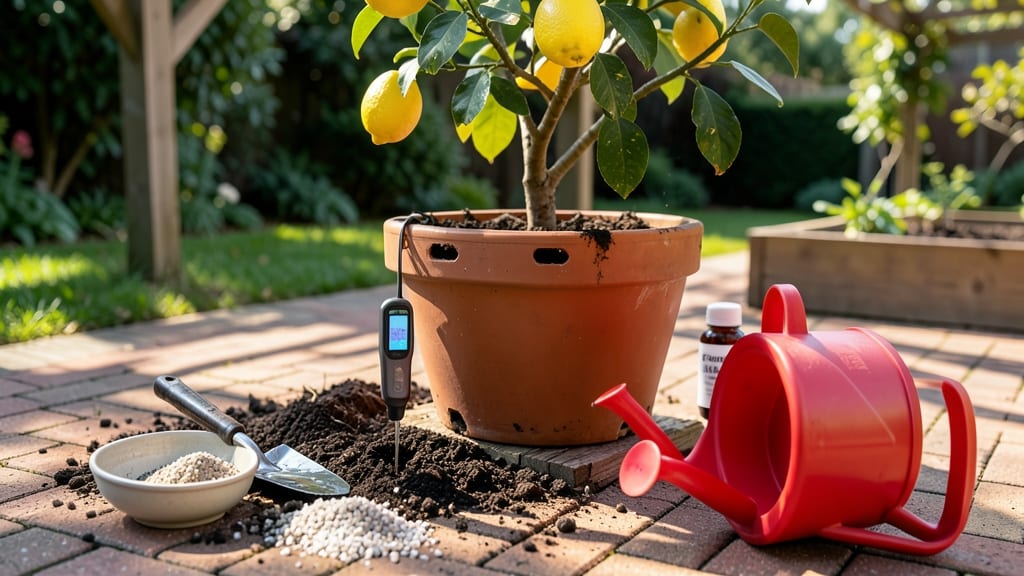
How to fix an overwatered lemon tree—your drooping leaves and mushy roots aren’t a death sentence, just a cry for help. 🌱 Overwatering happens faster than you think, especially when roots suffocate in soggy soil. The good news? With 3 targeted fixes, you can coax your tree back to life in weeks, not months.
First, stop watering immediately and let the soil dry out completely—3-5 days of no water is better than drowning roots. Then, check for root rot by gently lifting the tree (if possible) and trimming any black, mushy roots with sterilized pruners.
This might feel brutal, but healthy roots are white or tan.
Next, improve drainage by amending the soil with perlite or coarse sand (mix 20% into the top 6 inches) and repotting if needed. After that, adjust your watering: only when the top 2 inches of soil are bone-dry, and use a pot with drainage holes—no exceptions.
Within 2-4 weeks, you’ll see new growth.
Prevention is easier than rescue: water deeply but infrequently, use a moisture meter, and never let your tree sit in saucers of standing water. Your lemon tree’s comeback starts now—just give it the right conditions.
Common Causes of Overwatered Trees
Overwatering your lemon tree isn’t just a gardening mistake—it’s a silent killer that disrupts the delicate balance of water, oxygen, and nutrients in the soil. If your tree’s leaves are yellowing, wilting, or dropping prematurely, these five root causes (and their scientific explanations) are likely to blame.
Understanding them will help you diagnose—and fix—the problem before it’s too late.
Lemon trees (Citrus × limon) thrive in well-draining soil because their roots are sensitive to waterlogging. When soil retains too much moisture—often due to compacted clay, dense organic matter, or improper pot drainage—roots suffocate from lack of oxygen (hypoxia). Here’s why it happens:
- Clay-heavy soil acts like a sponge, trapping water and blocking airflow to roots.
- Pots without drainage holes create a waterlogged "bathtub" effect, drowning roots over time.
- Mulch piled too high (over 2–3 inches) suffocates the root zone by trapping moisture against the stem.
🔬 The Science: Roots need aeration to respire. Without oxygen, they can’t absorb nutrients or water efficiently, leading to root rot (caused by fungi like Phytophthora).
Skipping a watering day can turn into a weekly deluge if you’re not consistent. Lemon trees prefer regular, deep watering (every 5–7 days in summer, less in winter) rather than sporadic heavy soakings. Here’s how inconsistency backfires:
- Shallow watering (just the topsoil) encourages roots to grow near the surface, where they’re more prone to drying out or drowning in the next rain.
- Overzealous watering after drought can shock the plant, causing osmotic stress—when roots absorb too much water too fast, diluting essential nutrients.
- Automatic sprinklers (without soil moisture sensors) often water based on time, not plant needs, leading to chronic oversaturation.
🔬 The Science: Lemon trees have shallow but widespread roots. When watered inconsistently, they develop weak root structures that can’t regulate moisture uptake, leading to nutrient imbalances (e.g., excess potassium, deficiency in calcium).
Not all containers or soil blends are created equal. If your lemon tree is in the wrong setup, it’s like giving it a leaky umbrella on a sunny day—ineffective and harmful.
| Problem | Why It Causes Overwatering | Fix It With |
|---|---|---|
| Terracotta pots | Porous but can crack, leading to uneven water absorption and root exposure to moisture. | Swap for glazed ceramic or fabric pots. |
| No drainage holes | Water pools at the bottom, creating anaerobic (oxygen-free) zones where roots rot. | Drill holes or repot with a cascade drain system. |
| Peat-heavy soil | Retains moisture for days, suffocating roots in humid climates. | Amend with perlite, pumice, or coconut coir (20–30% by volume). |
| Too-large pots | Excess soil holds water longer than roots can absorb it, leading to hydroponic-like stagnation. | Repot in a container 10–20% larger than the root ball. |
🔬 The Science: Lemon trees need aerated, loamy soil with a pH of 6.0–7.0. Compact or water-retentive mixes disrupt capillary action, forcing roots to "drown" in their own hydration.
Your lemon tree doesn’t have a calendar, but its water needs change with the seasons. Ignoring these shifts is like watering a desert plant during a monsoon—disastrous.
- Winter dormancy: Growth slows, so roots need 50% less water. Overwatering in cold months leads to root asphyxiation (roots can’t process water efficiently in low temps). - Humid climates: High air moisture means soil stays damp longer.
If you water on a schedule (not by feel), roots stay soggy for days. - Sudden rain + pot watering: Double watering after rainfall drowns roots, as they can’t "dry out" fast enough in dense soil.
🔬 The Science: Lemon trees are evergreens but semi-dormant in winter. Their stomata (pores) close to conserve water, but overwatering forces them to absorb excess through roots—leading to nutrient leaching and fungal infections.
Many gardeners wait until their lemon tree is drooping or losing leaves before acting. By then, root damage is irreversible. Watch for these subtle clues that your tree is thirsty for less water:
- Yellowing leaves (especially lower ones) – A classic sign of overwatering or nutrient dilution.
- Mushy, black roots when gently lifted – Fungal root rot (Pythium or Phytophthora) has set in.
- Soil that smells sour or like wet socks – Anaerobic bacteria thrive in waterlogged soil, releasing foul odors.
- Leaves curling inward – A stress response to oxygen deprivation in roots.
🔬 The Science: Overwatered roots stop producing ethylene, a hormone that triggers leaf drop. Instead, they secrete toxins (like ethanol) that poison the plant from within.
💡 Pro Tip: Stick your finger 2–3 inches into the soil. If it’s damp, wait. If it’s bone-dry, water deeply. This one habit prevents 80% of overwatering mistakes!
Revive Your Lemon Tree Now
Overwatering can feel like a death sentence for your lemon tree, but with the right steps, you can nurse it back to health—even if the roots are struggling. The key is acting fast and addressing the root of the problem (literally!).
Below, we’ll break down how to diagnose and fix the most common signs of overwatering, along with prevention tips to keep your tree thriving.
The first rule of fixing an overwatered lemon tree? Cut off the water. Keep the soil damp but not soggy—think of a wrung-out sponge.
If you’re unsure whether to water, stick your finger 2-3 inches into the soil: - Dry? Water lightly. - Damp? Wait 1-2 more days. - Soggy? Hold off until it’s barely moist.
Pro Tip: 💡 If your tree is in a pot, lift it—if it feels heavy, it’s overwatered. Drainage holes are non-negotiable!
Overwatering often leads to root rot, where fungi or bacteria feast on waterlogged roots. Here’s how to spot it and act:
| Symptom | What to Do |
|---|---|
| Yellowing leaves | Trim affected leaves (but not more than 1/3 of the tree at once). |
| Mushy, black, or smelly roots | Prune infected roots with sterilized scissors. Dip cuts in cinnamon or hydrogen peroxide (3%). |
| Wilting despite wet soil | Repot in fresh, well-draining soil (mix potting soil with perlite or sand). |
Warning: ⚠️ If more than half the roots are rotten, your tree may not recover. Start fresh with a cutting or propagate from healthy stems.
Lemon trees hate wet feet—they need airflow and sunlight to dry out properly.
- Repot if needed: Use a pot with drainage holes and a fast-draining mix (cactus soil + perlite works well). - Move to brighter light: Place near a south- or west-facing window (6+ hours of sunlight daily).
Avoid dark corners. - Raise the pot: Elevate it on a saucer or stand to prevent water pooling.
Quick Fix: 🌡️ If repotting isn’t an option, bury the pot in a bed of gravel to improve drainage.
A stressed tree needs less, not more, fertilizer. Here’s how to help it recover:
- Prune dead branches: Use clean, sharp shears to remove brown, mushy, or hollow stems. Cut back to healthy green wood.
- Fertilize lightly: Wait 4-6 weeks after repotting before using a balanced citrus fertilizer (like 6-6-6).
Dilute to half-strength. 3. Boost humidity (if dry): Mist leaves lightly or place a tray of water nearby (but avoid soggy soil).
Avoid: ❌ Over-fertilizing—it stresses weak roots. More isn’t better here!
Once your lemon tree is back on track, keep these habits to avoid repeat overwatering:
- Water deeply but infrequently: Let the top 1-2 inches of soil dry out between waterings.
- Use the "finger test": Always check soil moisture before watering.
- Monitor weather: Adjust watering in rainy seasons or high humidity.
- Upgrade your pot: Terracotta pots dry out faster than plastic—great for thirsty trees!
- Mulch (but not too much): A 1-inch layer of mulch helps retain moisture without suffocating roots.
Bonus: 🎯 Self-watering pots with moisture meters can help automate care—perfect for busy gardeners!
Remember: Patience is key. A revived lemon tree may take 4-8 weeks to show new growth. Stay consistent, and soon you’ll be harvesting juicy lemons again! 🍋✨
Frequently asked questions
How do I know if my lemon tree is overwatered?
Check for these telltale signs: yellowing leaves (especially on lower branches), mushy black roots when lifted, and soil that smells sour or stays soggy for days. If the pot feels heavy when lifted or leaves wilt despite wet soil, your tree is definitely overwatered.
Can I save my lemon tree if the roots are rotting?
Yes, but act fast! Trim all black, mushy roots with sterilized scissors and repot in fresh, well-draining soil mixed with perlite. If over 50% of roots are rotten, recovery is unlikely—start fresh with a cutting instead.
How often should I water my lemon tree after fixing overwatering?
Wait until the top 2 inches of soil are completely dry—usually every 7-10 days in summer, less in winter. Use the finger test: if soil feels damp 2 inches down, wait another day. Terracotta pots dry faster than plastic.
What's the best soil mix to prevent overwatering?
Use a blend of 60% potting soil, 20% perlite, and 20% coarse sand. This creates air pockets while retaining enough moisture. Avoid peat-heavy mixes—they hold water too long. For containers, add a layer of gravel at the bottom for extra drainage.
Will my lemon tree ever recover fully from severe overwatering?
With proper care, most trees bounce back in 4-8 weeks, showing new growth and green leaves. However, if the trunk becomes soft or the tree can't support itself, recovery is unlikely. Focus on prevention to keep your tree thriving long-term.