
How To
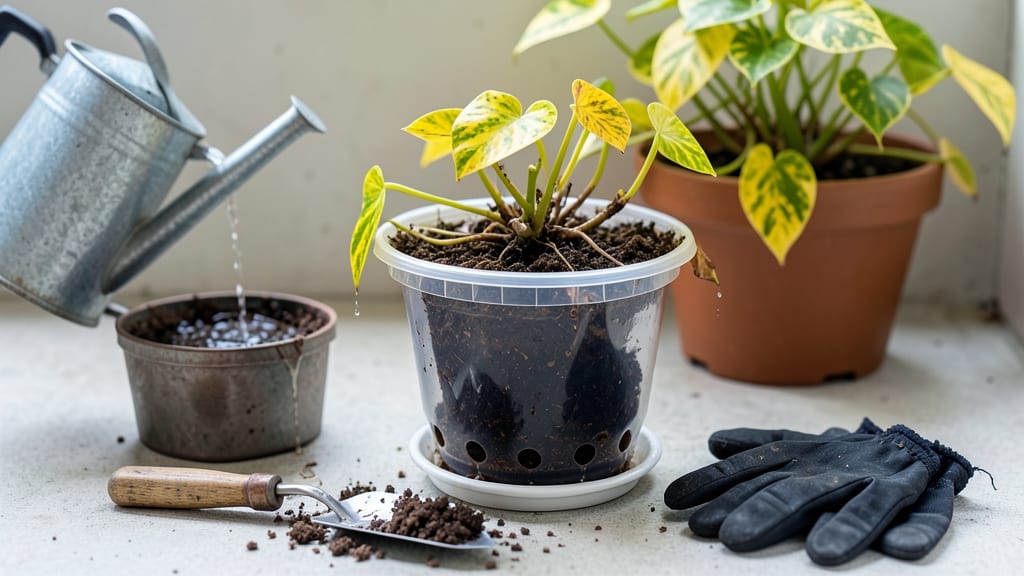
Here’s how to fix an overwatered pothos—because those sad, drooping leaves are begging for a comeback, and you’ve got the power to save them. 💚 Overwatering turns vibrant green vines into a mushy, yellowing mess, but the good news?
You can bring it back to life with just three simple steps that work even for my famously "black thumb" moments.
The first sign is usually yellow leaves that feel squishy when you touch them, or blackened stems that collapse like wet paper. That’s root rot setting in, and it’s not pretty—but it’s fixable.
Start by letting the soil dry out completely between waterings, then repot into a container with drainage holes and fresh, well-draining mix. No more soggy bottoms!
Within 2-4 weeks, you’ll see new growth pushing through, and those droopy leaves will perk up like they’re fresh from the nursery. The key? Water only when the top 1-2 inches of soil are bone-dry, and stick to a 5-7 day schedule in summer (longer in winter).
Your pothos will thank you with glossy, thriving vines.
For stubborn cases, trim away the mushy stems and roots—yes, even the ugly parts—and focus on saving the healthy growth. With the right care, your pothos will bounce back stronger than ever. Here’s how to keep it that way long-term.
Common Causes Of Overwatered Pothos
Overwatering your pothos isn’t just a minor misstep—it’s a classic plant-care blunder that can quickly turn your lush green friend into a sad, droopy mess. 🌿💦 But why does this happen so often?
Let’s break down the science (and the human factors) behind why your pothos might be drowning in its own pot.
Pothos thrives in well-draining soil, but many gardeners unknowingly trap water in their pots, creating a swampy environment. Here’s why this is a problem:
- Compacted or heavy soil (like clay or garden soil) holds excess moisture, suffocating roots. Pothos roots need oxygen, and waterlogged soil starves them of it. - Lack of drainage holes in the pot traps water at the bottom, where roots can’t escape.
Even if you water lightly, the excess sits and rots roots over time. - Peat-based soils (common in many potting mixes) retain moisture for weeks, slowing drainage and promoting fungal growth.
💡 Pro Tip: Always use a fast-draining mix (like a 50/50 blend of potting soil and perlite or orchid bark) and repot into containers with drainage holes if yours don’t have them.
Pothos are drought-tolerant—far more than most beginners realize. Yet, many water on a fixed schedule (e.g., every Tuesday) instead of checking the plant’s actual needs.
- Ignoring the "soak-and-dry" method: Pothos prefer their soil to dry out completely between waterings.
Sticking your finger 1–2 inches into the soil is the only foolproof way to know when it’s time to water. - Mistaking thirst for thirstiness: Drooping leaves often signal underwatering, but they can also mean overwatering if the soil stays soggy. Yellowing leaves with mushy stems?
That’s your plant crying for help. - Seasonal changes: In winter, pothos grow slower and need far less water. Yet, many keep the same watering routine year-round.
⏰ Quick Check: Stick your finger in the soil—if it’s damp past your first knuckle, wait another 3–5 days before watering.
Pothos love warmth and moderate humidity, but if your home’s environment shifts drastically, the plant struggles to regulate moisture.
- High humidity + poor airflow = fungal infections. Stagnant air traps moisture around leaves and soil, creating the perfect breeding ground for root rot and bacterial blight. - Cold drafts or temperature drops slow evaporation, keeping soil wet longer.
A pothos in a drafty window may need water half as often as one in a cozy corner. - Overcrowded pots reduce airflow. If roots are packed tightly, water can’t evaporate, leading to prolonged sogginess.
🌡️ Fix It: Place your pothos in bright, indirect light (like an east-facing window) and ensure gentle airflow (a small fan on low can help).
Not all water is created equal—and some can actively harm your pothos.
- Tap water with high chlorine/fluoride can build up in soil over time, disrupting root function.
Pothos are sensitive to these chemicals. - Hard water (high mineral content) leaves a crusty residue in pots, clogging soil pores and reducing drainage. - Ice-cold water shocks roots, slowing their ability to absorb oxygen. Always use room-temperature water.
💧 Solution: Let tap water sit out for 24 hours before watering, or use filtered or distilled water if possible.
Moving a pothos to a new pot is exciting, but many forget to adjust their watering habits post-repot.
- Fresh potting mix holds more moisture than old soil, so roots take longer to dry out. Newly repotted pothos often need watering every 10–14 days instead of weekly. - Smaller pots = faster drying, but larger pots keep soil damp longer.
Size matters! - Root disturbance from repotting stresses the plant, making it more vulnerable to overwatering if you rush back into a heavy schedule.
🌱 Reset Rule: After repotting, wait 5–7 days before watering, then check soil moisture carefully.
Revive Your Pothos Quickly
Now that you know the signs and causes of overwatered pothos, let’s roll up our sleeves and get your plant back on track! The good news? Pothos are resilient, and with the right steps, you can nurse them back to health—often faster than you think.
Below are practical, step-by-step solutions tailored to the root causes of overwatering, plus tips to keep your plant thriving long-term.
Cause: Soggy soil cuts off oxygen, suffocating roots and causing nutrient uptake failure. Solution:
- 🔥 Emergency Drainage (Do This First!)
- Remove the pothos from its pot and gently shake off excess soil to inspect the roots. Healthy roots are firm and white; mushy or black roots are rotting.
- If roots look bad, trim them with sterilized scissors (dip in rubbing alcohol) up to the healthy tissue. Discard the rotted chunks—don’t compost them!
- 🍳 Repot in Fresh Soil - Choose a clean pot with drainage holes (terracotta is ideal). If the current pot is fine, wash it with soap and water to kill fungi/bacteria. - Use a well-draining potting mix (e.g., 50% peat/coir, 30% perlite/pumice, 20% orchid bark).
Avoid garden soil—it compacts and holds too much moisture.
- 👨🍳 Let It Dry Out - Water only after the top 1–2 inches of soil feel dry (stick your finger in to check). Pothos prefer to dry out slightly between waterings. - Place the plant in bright, indirect light (no direct sun yet—it’s stressed!).
Avoid dark corners, which slow recovery.
💡 Pro Tip: If repotting isn’t an option, top-dress with perlite to improve drainage without disturbing the roots.
Cause: Overly wet soil creates anaerobic conditions, inviting root rot and fungal infections. Solution:
- ⏰ Adjust Your Watering Schedule
- Water every 1–2 weeks (or when soil is bone-dry). Pothos store water in their vines—less frequent, deeper watering is better than shallow, frequent sips.
- Test the soil: Press your finger 1 inch deep. If it’s damp, wait. If it’s dry, water until it runs out the drainage hole (empty the saucer afterward!).
- 🌡️ Boost Airflow & Light - Move your pothos to a spot with bright, indirect light (e.g., near an east-facing window). Low light = slower drying = more rot risk. - Increase airflow by placing a small fan nearby (on low) or opening windows occasionally.
This mimics their tropical habitat while preventing stagnant moisture.
- 🎯 Fungal Treatment (If Needed)
- If you spot black spots or mold, sprinkle cinnamon powder on the soil (natural antifungal) or spray with a 1:10 hydrogen peroxide-water mix (3% strength).
- Avoid chemical fungicides—they can harm your plant’s delicate roots.
✨ Prevention: Use a moisture meter ($10–$15) to avoid guesswork. Set a reminder on your phone for watering days!
Cause: Overwatering starves the plant of nutrients, leading to weak, yellow leaves. Solution:
- 💪 Fertilize Lightly (But Smartly)
- Wait 4–6 weeks after repotting before fertilizing. Use a balanced, diluted liquid fertilizer (e.g., 10-10-10 at ¼ strength) once a month in spring/summer.
- Skip fertilizer in fall/winter—your pothos is dormant and doesn’t need extra nutrients.
- 🥗 Prune for Recovery
- Trim yellow or mushy leaves at the base with clean scissors. This redirects energy to healthy growth.
- Propagate the cuttings in water or fresh soil to save them! (Pothos roots easily—just place in water and wait for roots to sprout.)
- 🍎 Monitor & Adjust
- Weigh your pot before watering: If it’s significantly lighter, it’s time to hydrate.
- Rotate the pot weekly so all sides get even light, preventing lopsided growth.
💡 Pro Tip: If your pothos is very weak, mist the leaves lightly with room-temperature water to boost humidity while it recovers.
🚀 Final Checklist for Success: ✅ Drainage holes? Yes! ✅ Well-draining soil? Check. ✅ Watering only when dry? Confirmed. ✅ Bright, indirect light? Set up. ✅ Pruned dead leaves? Done.
With these steps, your pothos should show new green leaves in 2–4 weeks. And once it’s back to its happy self, you’ll have a low-maintenance, fast-growing plant that thrives on neglect (almost)! 🌿
Frequently asked questions
How do I know if my pothos is overwatered vs. underwatered?
Check the soil and leaves: Overwatered pothos have yellow, mushy leaves that feel squishy when touched, while underwatered ones have dry, crispy brown edges. Also, overwatered plants often develop blackened stems or smell foul—signs of root rot. Stick your finger in the soil: if it’s damp past your first knuckle, you’re overwatering.
Can I save a pothos with completely black roots?
Yes, but you’ll need to act fast! Trim away all black, mushy roots with sterilized scissors, leaving only firm white roots. Repot in fresh, drainage-heavy soil and avoid watering for 5-7 days to let roots recover. Place it in bright, indirect light and expect new growth in 3-4 weeks if the remaining roots are healthy.
Why does my pothos keep getting overwatered even after fixing it?
Most likely your pot lacks drainage holes or uses heavy soil. Switch to a terracotta pot with holes and mix your soil with 30% perlite or orchid bark to improve airflow. Also, check your watering habits—pothos need water only when the top 1-2 inches of soil are completely dry, not on a schedule.
Is it safe to propagate cuttings from an overwatered pothos?
Healthy-looking stems (even from overwatered plants) can still root easily. Simply place cuttings in room-temperature water or moist soil, and they’ll develop roots in 2-3 weeks. Just avoid using cuttings with blackened stems—they won’t survive. This is a great way to save your plant while it recovers!
How long should I wait before fertilizing after fixing overwatering?
Wait 4-6 weeks after repotting before adding fertilizer. Overwatered plants are stressed and need time to recover their root systems. Once they show new growth, use a diluted, balanced fertilizer (like 10-10-10 at ¼ strength) once a month in growing seasons only.