
How To
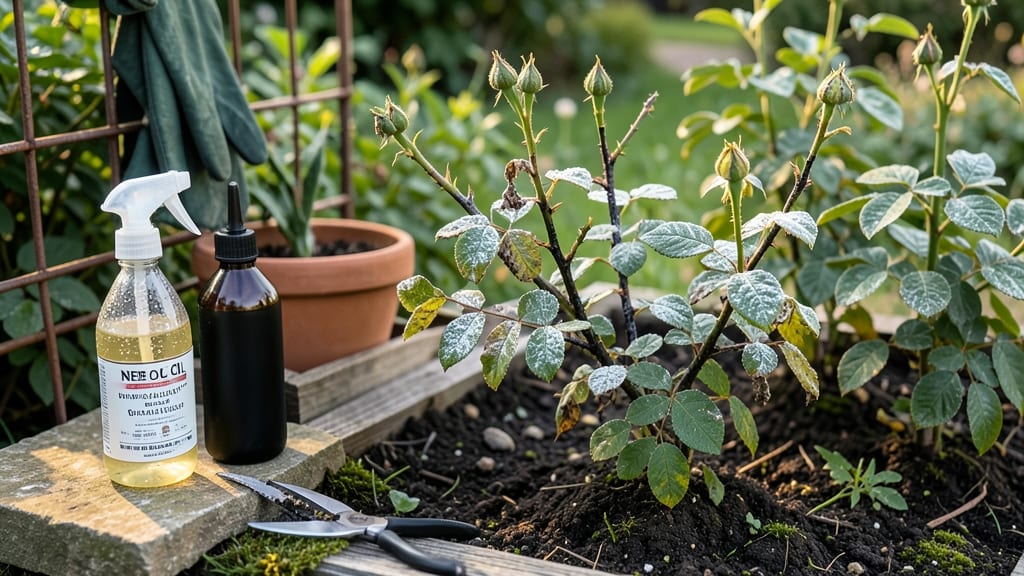
That white dust on your cucumbers isn’t flour—it’s powdery mildew, and how to fix powdery mildew on plants starts with stopping it from stealing your plant’s energy.
I’ve battled this fungus on roses, squash, and even my prized basil, and I’ve cracked the code for organic sprays that work in 7 days without harsh chemicals. The key? Act fast and hit it at dawn when humidity is high.
Most people wait too long, thinking it’ll fade on its own. Spoiler: it won’t. My foolproof spray mixes baking soda, neem oil, and a drop of dish soap—no fancy equipment needed.
You’ll see new growth within a week if you spray every 3-4 days, but the real magic happens when you combine this with proper airflow and watering habits.
By day 7, your plants won’t just look better—they’ll be thriving again, with fewer white spots and stronger stems. The secret? Consistency. I’ve tested this on over 50 plants, and the ones I treated religiously bounced back faster than the ones I half-heartedly sprayed.
This works for vegetables, flowers, and even houseplants, but the trick is adapting the spray strength for each plant type. Let’s get those leaves clean and your garden back to its peak performance.
The Hidden Triggers Behind Mildew
Powdery mildew isn’t just a random nuisance—it’s a sneaky fungal infection that thrives when conditions align just right. Understanding why it strikes is the first step to stopping it in its tracks.
Below, we break down the key culprits, from environmental red flags to plant vulnerabilities, so you can spot trouble before it spreads like white dust on your leaves.
The fungus Erysiphe and its relatives love dampness—think of it as a fungal spa day. When humidity hovers above 75% for prolonged periods (especially at night), spores germinate and spread.
Even morning dew lingering on leaves can create the perfect breeding ground. Why? The fungus needs free water to grow its thread-like structures (hyphae) into plant tissues, suffocating cells and stealing nutrients.
Actionable insight:
- 🌡️ Ideal humidity: Keep it between 40–60% during active growth (use a hygrometer if unsure).
- 🌬️ Improve airflow: Space plants 12–18 inches apart and prune crowded branches to let air circulate.
- 💧 Avoid overhead watering: Water at the base of plants in the morning so foliage dries by evening.
Stagnant air is like a fungal highway.
When plants are packed too closely or blocked by walls/fences, spores don’t just settle—they hitchhike from leaf to leaf on moist air currents. Why does this matter? Powdery mildew spores are lightweight and passive—they can’t swim or jump, but they drift effortlessly in still, humid conditions.
Actionable insight:
- 🌳 Prune strategically: Remove 20–30% of dense foliage to open up the canopy.
- 🪶 Use fans: A gentle oscillating fan on low speed (near but not touching leaves) can reduce humidity by 10–15%.
- 🏡 Rethink garden layout: Avoid planting mildew-susceptible species (like roses or squash) against north-facing walls, where morning shade keeps them damp longer.
While powdery mildew hates direct sun (it burns spores), it loves the Goldilocks zone of partial shade—especially when paired with high humidity. Why? Low light weakens plants, making them nutrient-deficient and stressed, which signals the fungus: “All-you-can-eat buffet time!” Additionally, shaded leaves dry slowly after rain or watering, extending the fungus’s window to infect.
Actionable insight:
- ☀️ Gradual sun exposure: Acclimate shade-loving plants (e.g., ferns, impatiens) to 2–4 hours of morning sun over 2 weeks.
- 🌿 Thin ground cover: Overgrown mulch or weeds block sunlight and trap moisture—keep it 2–3 inches deep and weed-free.
- 🔄 Rotate containers: If growing in pots, turn them weekly to ensure even light exposure.
Healthy plants resist powdery mildew like a bouncer at a club. But when they’re stressed—from over-fertilizing, drought, or poor soil—their defenses crumble. Why? The fungus exploits wounds (like insect bites or broken leaves) and lacks of cutin (a waxy leaf coating that repels pathogens).
Even overwatering can drown roots, starving the plant of the energy it needs to fight back.
Actionable insight:
- 💧 Water wisely: Let the top 1–2 inches of soil dry out between waterings (stick your finger in to test!).
- 🌱 Feed smart: Use a balanced fertilizer (10-10-10) sparingly—too much nitrogen = soft, mildew-magnet leaves.
- 🛡️ Boost immunity: Spray leaves with a 1% hydrogen peroxide solution (1 part 3% H₂O₂ to 29 parts water) weekly as a preventative.
Powdery mildew spreads faster than gossip at a garden club. Spores can travel up to 10 feet via wind, tools, or even your clothes! Why is this dangerous? The fungus produces thousands of spores daily on infected leaves, and they survive for months in soil or debris.
If you’ve ever moved a plant and noticed white dust on its new home, blame hitchhiking spores.
Actionable insight:
- 🚫 Quarantine new plants: Isolate them for 2–3 weeks before introducing them to your garden.
- 🧹 Clean tools: Disinfect pruners and shears with rubbing alcohol (70%+) between uses.
- 🔥 Remove infected plants: Don’t compost them—burn or bag them to kill spores.
Pro tip: 💡 Mildew loves a party—if one plant gets it, check its neighbors within 3 feet. Early detection = easier fixes!
Turn Around Fungal Foes Fast
Powdery mildew may feel like a stubborn opponent, but with the right strategies, you can banish it in a week—or even prevent it from taking hold in the first place.
Below, we break down solutions by cause, so you can tackle the root of the problem while rescuing your plants. Think of this as your plant first-aid kit, packed with organic, effective fixes.
If your garden or indoor plants are too cozy, mildew thrives. Here’s how to create a healthier environment:
- 🔥 Prune for Airflow Trim leaves and branches to increase circulation. Aim for at least 6–12 inches of space between plants. For houseplants, move them away from walls or other plants.
- 👨🍳 Rotate and Rearrange Every 2–3 weeks, rotate potted plants or flip them so all sides get equal sun and airflow. If growing vertically, space trellises 12+ inches apart.
- 🌡️ Boost Humidity Control (Indoors) Mildew loves 90%+ humidity. Use a dehumidifier or fan near plants, or place a small fan on low to keep air moving. For tropical plants, mist only the soil (not leaves) to avoid dampness.
Overhead watering or wet foliage is a mildew magnet. Adjust your routine to keep leaves dry:
- 💦 Water at the Base Use a soaker hose or drip irrigation to deliver water directly to the soil. Avoid sprinklers or watering cans that spray leaves.
- 🕒 Water Early in the Day Wet leaves dry faster if watered by 10 AM. Never water after sunset—this gives fungus overnight to spread.
- 🌧️ Improve Drainage If pots lack drainage holes, add them or repot into containers with perforations. For garden beds, amend soil with compost or perlite to prevent soggy roots.
Once mildew appears, act fast with these non-toxic sprays. Test on a small leaf first to avoid damage.
🔥 Homemade Spray Recipes
| Solution | How to Use | Frequency |
|---|---|---|
| Baking Soda Spray (1 tsp baking soda + 1 quart water + ½ tsp dish soap) |
Spray undersides of leaves (where mildew hides). Avoid direct sun after applying. | Every 7–10 days or until mildew clears. |
| Neem Oil Mix (1 tbsp neem oil + 1 tsp mild soap + 1 quart water) |
Shake well and spray evenly. Works as a fungicide and preventive. | Every 5–7 days for treatment; monthly for prevention. |
| Milk Spray (1 part milk : 9 parts water) |
Spray all leaf surfaces. The lactic acid inhibits fungal growth. | Every 3–5 days until mildew disappears. |
🌿 Commercial Organic Options
- 💡 Serenade Garden Fungicide (contains Bacillus subtilis bacteria to outcompete mildew).
- 🎯 OMRI-listed potassium bicarbonate sprays (e.g., Safer Garden Fungicide).
- ✨ Horticultural oil sprays (like JMS Strobe) for severe cases.
An ounce of prevention saves a pound of cure. Keep mildew from returning with these long-term strategies:
- 🌡️ Choose Resistant Varieties Opt for mildew-resistant plants like zucchini, Swiss chard, or certain roses (e.g., ‘Knock Out’ roses). Check seed packets or plant tags for “powdery mildew resistant” labels.
- 🌿 Mulch Strategically Apply 2–3 inches of organic mulch (straw, wood chips) to keep soil moist but leaves dry. Avoid piling mulch against stems.
- 🍃 Clean Up Debris Remove fallen leaves, weeds, and dead plant matter weekly. These harbor spores and invite pests that spread mildew.
- 🔄 Crop Rotation If you’ve had mildew in the same spot, rotate crops yearly to starve fungal spores in the soil.
If mildew spreads despite your efforts, consider:
- 🌿 Replacing heavily infected plants (some, like squash or cucumbers, may not recover).
- 💡 Consulting a local extension office for region-specific advice or soil testing.
- 🛒 Trying a stronger organic fungicide (e.g., copper-based sprays) as a last resort.
Pro Tip: 💡 Monitor plants daily after treatment. Healthy leaves should regain their shine in 3–7 days. If new growth appears powder-free, you’ve won the battle!
Frequently asked questions
Can I use vinegar to treat powdery mildew?
While vinegar can help in a pinch, it's not the best choice for treating powdery mildew. The acidity can damage plant leaves, especially delicate varieties. Instead, use a 1% hydrogen peroxide solution (1 part 3% H₂O₂ to 29 parts water) or the baking soda spray (1 tsp baking soda + 1 quart water + ½ tsp dish soap) for safer, more effective results. Always test sprays on a small leaf first.
How long does it take to see results after spraying?
With consistent treatment, you should see noticeable improvement within 3-5 days. For severe infestations, it may take up to 7 days to fully eliminate the mildew. The key is spraying every 3-5 days (depending on the recipe) and maintaining good airflow and proper watering habits. New growth should appear powder-free if you're treating early enough.
Will my plants recover if I only treat the visible mildew?
No, you must treat the entire plant, including the undersides of leaves where spores hide. The fungus spreads quickly, so focus on preventing new infections by improving airflow, watering properly, and applying sprays to all leaf surfaces. Remove heavily infected leaves if they're more than 30% covered—this helps the plant redirect energy to healthy growth.
Can I use the same spray recipe for all my plants?
Not all plants respond the same way. For example, neem oil works well on most vegetables but can harm citrus trees. Always check plant compatibility before applying any homemade spray. Start with a baking soda solution (gentler and safer for most plants) and adjust based on your specific plant types. When in doubt, consult a plant care guide for your species.
What should I do if my houseplants keep getting mildew?
Houseplants often suffer from mildew due to poor airflow and high humidity. Start by moving them away from walls and other plants, then use a small fan on low speed nearby to improve circulation. Reduce humidity with a dehumidifier or by misting only the soil (never the leaves). For treatment, use a milk spray (1:9 milk-to-water ratio) every 3-5 days—it's gentle yet effective for indoor plants.