
Tools
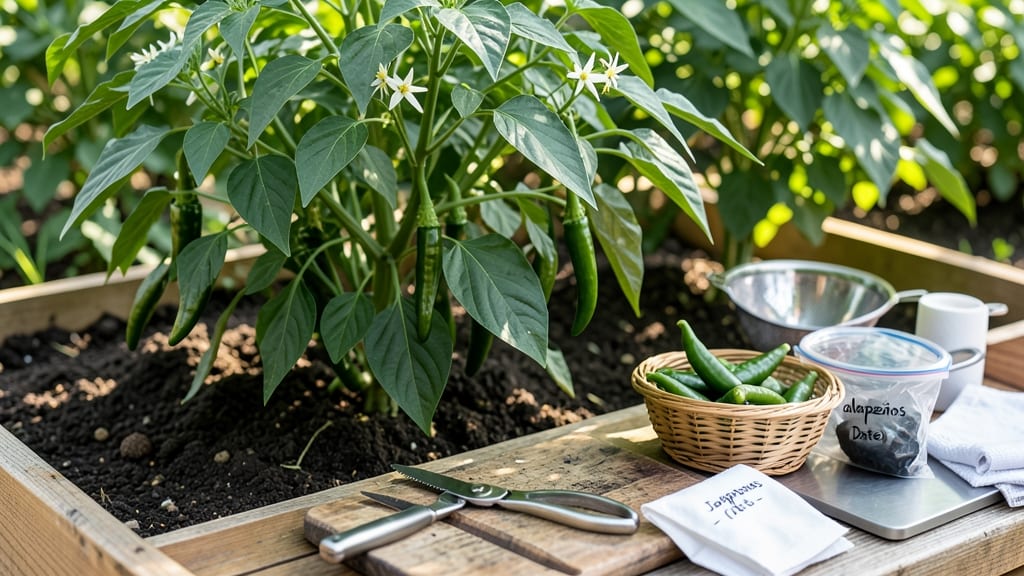
Freezing garden jalapenos locks in that fresh, fiery flavor for winter dishes. ✨ I used to waste half my harvest, but blanching and freezing changed everything—now I enjoy homegrown heat year-round with zero texture loss.
The secret starts with prep: peel, seed, and blanch the peppers for 2-3 minutes to stop enzymes that turn them mushy. Then dry them completely before freezing in airtight bags or containers. This method keeps them vibrant for up to 12 months without soggy results.
When you're ready to use them, just toss frozen jalapenos directly into salsas, stews, or marinades—no thawing needed. The spice stays sharp, the texture holds, and you'll never buy store-bought again. My freezer stash now includes three different heat levels for versatile cooking.
Works for any pepper variety, and the process takes just 30 minutes of active time. Perfect for gardeners who grow more than they can use fresh, or anyone who loves homemade heat in winter meals.
📚 In This Guide
- What you need
- Instructions
- Tips and common mistakes
- Wrapping up and next steps
What you need
- ● Fresh jalapeños: 1–2 lbs (about 10–15 medium-sized peppers), picked at peak ripeness (green or red).
- ● Water: 1–2 cups (for blanching).
- ● Ice water bath: Large bowl or sink filled with ice and cold water.
- ● Freezer-safe bags or containers: Option 1: Quart-sized freezer bags (2–4 bags, depending on quantity).
- ● Option 2: Airtight silicone molds or rigid containers (for whole peppers).
- ● Cutting board & sharp knife: For trimming and slicing (8" chef’s knife recommended).
- ● Pot & colander: For blanching (medium-sized pot and a fine-mesh colander).
- ● Paper towels or clean kitchen towel: For drying peppers before freezing.
- ○ Parchment paper (optional but helpful): For lining containers or separating layers in bags.
- ● Vacuum sealer: Extends shelf life by removing air (great for long-term storage!).
- ● Labeling supplies: Masking tape + marker (to note dates and spice levels).
- ● Glove or tongs: Protects hands from capsaicin (the compound that makes peppers spicy!).
- ● Salt or spices: For flavoring (e.g., garlic powder, cumin, or lime juice in bags).
Step-by-step instructions for freezing jalapenos from your garden
Preserving your homegrown jalapeños this way locks in flavor, heat, and freshness for up to a year.
🌱 Step 1: Harvest and Prepare Jalapenos for Freezing
Pick fully mature jalapeños with firm skin and vibrant color—these hold their heat best when frozen. Rinse them gently under cool water to remove any dirt or debris, then pat completely dry with a clean towel. Any moisture left on the peppers will create ice crystals that dull their flavor and texture.
Remove stems and cut off the blossom end (the opposite side of the stem). This step is crucial because stems can make peppers bitter when frozen. I like to slice them into ½-inch rings or strips—this size freezes quickly and thaws evenly for cooking. For whole jalapeños, leave them intact but remove stems and blossom ends first.
💧 Step 2: Blanch Jalapenos Before Freezing
Blanching stops enzyme activity that causes flavor and color degradation during storage. Bring a large pot of water to a rolling boil and prepare an ice bath in a separate bowl. Working in batches (don’t overcrowd the pot), blanch the jalapeños for 2-3 minutes—just until they turn slightly softer but remain bright green.
Immediately transfer the blanched peppers to the ice bath for 2-3 minutes to shock and halt cooking. Drain well on a clean kitchen towel or paper towels. This step is non-negotiable: skipping blanching leads to mushy, flavorless jalapeños after thawing. For extra heat retention, I like to drain them upside down in a colander to remove excess water before packaging.
⏰ Step 3: Package Jalapenos for Freezing
Use freezer-safe bags or airtight containers designed for long-term storage. Portion the blanched jalapeños into 1-cup or ½-cup servings—this makes it easy to grab just what you need later without thawing the whole batch. Remove as much air as possible from bags using a straw or vacuum sealer for maximum freshness.
Label each package with the date and contents—jalapeños frozen this way stay best for up to 12 months in a home freezer. I write directly on the bag with a marker so I don’t forget what’s inside. For containers, use masking tape and a permanent marker. Place packages flat in the freezer to save space and prevent crushing.
☀️ Step 4: Freeze and Store Properly
Arrange the packages in a single layer on a freezer shelf and let them freeze solid for 4-6 hours before stacking. This prevents freezer burn and keeps peppers from sticking together. Once fully frozen, you can store them in a deep freezer at 0°F or below for long-term preservation.
When ready to use, thaw jalapeños directly in their package under cold running water or in the refrigerator overnight. Never microwave frozen jalapeños—they’ll turn mushy and lose their snap. Thawed peppers are perfect for salsas, stews, or sautéing. For best results, use thawed jalapeños within 3-4 days of removing them from the freezer.
✂️ Step 5: Use Frozen Jalapenos in Cooking
Frozen jalapeños work best in cooked dishes where texture isn’t critical—think soups, chili, or sauces. Toss them directly into hot oil or simmering liquids without thawing first. For salsas or fresh applications, thaw them in the fridge and pat dry again to remove any excess moisture that may have formed during freezing.
Here’s the thing—frozen jalapeños won’t be as crisp as fresh ones, but they retain 80-90% of their heat and flavor. I often add a pinch of salt or a splash of lime juice to thawed peppers to brighten their taste. For maximum heat retention, avoid refreezing thawed jalapeños—use them up in one cooking session.
Tips & tricks for perfectly preserved jalapenos
Real talk: Freezing jalapeños properly is the secret to keeping that garden-fresh heat all winter long. Here's what nobody tells you—these little tweaks make all the difference between bland, mushy peppers and ones that pack a punch in your cooking.
Selection Matters: The ripest, firmest jalapeños with vibrant green skin are your best bet—they'll hold their heat and texture through freezing. Look for peppers that yield slightly when gently squeezed (like a ripe avocado) but don't feel mushy. Overripe peppers with soft spots will turn to mush when frozen, no matter how carefully you prep them.
Blanching Precision: Those 2-3 minutes in boiling water aren't just arbitrary—they're the sweet spot for halting enzymes without overcooking. Test doneness by piercing a pepper with a fork: it should offer slight resistance but still feel tender. The ice bath is equally critical; if you skip it, enzymes will continue breaking down the peppers' structure during storage, leading to that dreaded mushy texture. I use a kitchen timer for both steps to avoid overprocessing.
Packaging Hack: When removing air from freezer bags, press out as much as possible before sealing—this prevents freezer burn and ice crystals. For extra protection, I like to place a sheet of parchment paper between layers if freezing whole peppers. This creates a barrier that keeps peppers from sticking together and maintains their shape during thawing.
Freezer Organization: The 4-6 hour flat-freezing time might seem long, but it's worth it to prevent the dreaded "block of ice" effect. Arrange packages in a single layer on a baking sheet before transferring to storage—this gives them space to freeze solid without touching. I use a permanent marker to label each package with both the date and pepper type (jalapeños, serranos, etc.), because once they're frozen, they all look the same!
Pro Tips for Freeze Jalapenos From My Garden
- Real talk: Freezing jalapeños properly is the secret to keeping that garden-fresh heat all winter long.
- Selection Matters: The ripest, firmest jalapeños with vibrant green skin are your best bet—they'll hold their heat and texture through freezing.
- Blanching Precision: Those 2-3 minutes in boiling water aren't just arbitrary—they're the sweet spot for halting enzymes without overcooking.
Frequently asked questions
Got questions about freezing your homegrown jalapeños? You’re not alone! Here are some of the most common concerns—and their easy solutions—to keep your peppers perfect for future dishes.
Can I freeze jalapeños whole?
Yes, but with a catch! Whole jalapeños freeze best if you blanch them first (90 seconds in boiling water, then ice bath). This preserves texture and flavor. For convenience, slice or chop them before freezing—just be sure to pat them very dry to prevent ice crystals.
How long do frozen jalapeños last?
Frozen jalapeños stay fresh for 8–12 months in an airtight container or freezer bag. For best quality, use them within 6 months. Label your bags with the date to track freshness—trust us, you’ll forget!
Will freezing make jalapeños less spicy?
Freezing doesn’t reduce spiciness, but blanching or roasting them first can mellow the heat slightly. If you want milder peppers, remove seeds and membranes before freezing. For extra kick, freeze them whole and chop later—seeds stay potent!
Can I freeze jalapeños without blanching?
Technically yes, but texture may suffer—peppers can turn mushy or develop freezer burn. Blanching is key for crispness, but if you’re short on time, roast or sauté them first (3–5 mins) to soften slightly before freezing. Just avoid freezing raw, uncooked peppers for best results.
What’s the best way to use frozen jalapeños?
Frozen jalapeños work great in cooked dishes like salsas, soups, or stir-fries—just thaw and chop. For raw uses (e.g., salads), freeze them in jalapeño oil or pickle juice to preserve freshness. Avoid freezing if you plan to eat them straight from the garden!
Why did my frozen jalapeños turn brown?
Oxidation causes browning—even in the freezer! To prevent this, blanch or roast peppers first, then freeze in airtight containers with minimal air. For sliced peppers, toss them in lemon juice or olive oil before freezing to slow browning.
Wrapping up and next steps
Freezing your homegrown jalapeños is a game-changer—it locks in flavor, heat, and freshness so you can enjoy them year-round! Whether you’re prepping for salsa, stir-fries, or spicy snacks, this method is simple, cost-effective, and packed with versatility.
Now that you’ve mastered the steps, why not experiment with freezing other peppers or even blending them into homemade hot sauce? Your future self (and taste buds) will thank you! 🌶️❄️
Next step: Grab those ripe jalapeños from your garden and start freezing—your kitchen adventures are about to get spicier!