
Propagation
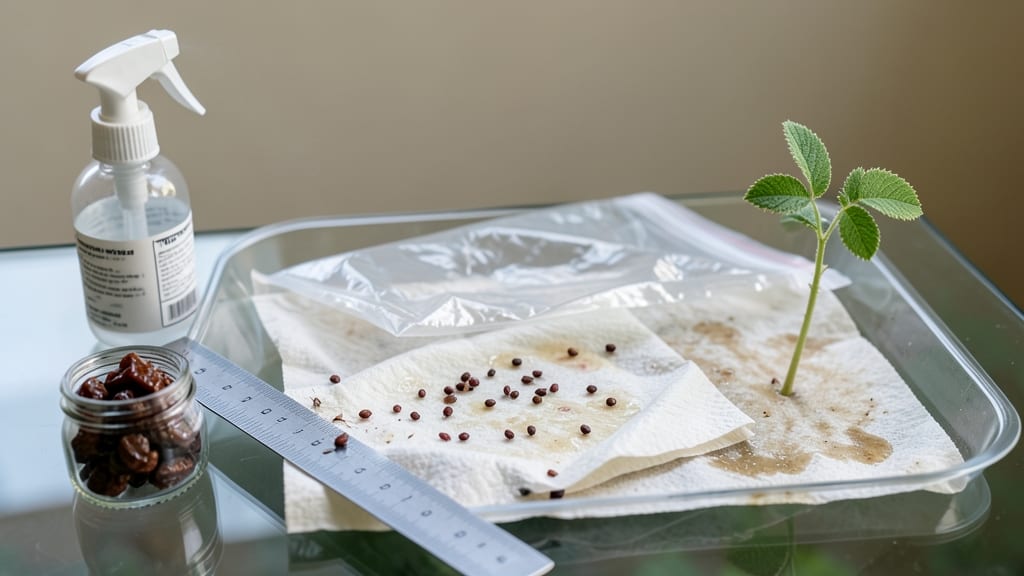
Germinating rose seeds in a paper towel feels like cheating the odds. 🌱 I’ve tried the traditional soil method—endless waiting, spotty results—but this speed-sprouting trick works when nothing else does. The secret? Mimicking the cozy, damp conditions seeds crave before they dare to push through.
You’ll need just three supplies: rose seeds (collected from hips or bought), damp paper towels, and a sealed plastic bag. The magic happens at 70-75°F—warmth triggers germination faster than cool soil ever could. Check daily for sprouts, which can appear in 7-21 days (patience is key—don’t rush it).
Once you see tiny roots or green tips, transplant carefully into moist potting mix. These seedlings are delicate—handle them like you would a newborn. The payoff? Healthier roots than soil-started seeds, and a head start on growing roses that’ll outshine store-bought plants.
This method works best for wild or heirloom roses, though modern hybrids may play hard to get. Even with low germination rates, every sprout feels like a victory. Ready to try?
📚 In This Guide
- What you need
- Instructions
- Tips and common mistakes
- Wrapping up and next steps
What you need
- ● Rose seeds: Fresh, clean seeds (preferably from hybrid teas, floribundas, or climbers—avoid grafted roses). Aim for 5-10 seeds to test your method.
- ● Paper towels: 1-2 unbleached, white paper towels (avoid colored or textured varieties—they can inhibit germination).
- ● Spray bottle: A fine-mist spray bottle (10-16 oz) to keep seeds hydrated without drowning them.
- ● Plastic bag or wrap: A resealable plastic bag (quart-sized) or plastic wrap to create a humid environment.
- ● Shallow container: A flat dish, plastic lid, or small tray (to hold the paper towel setup).
- ● Water: Room-temperature, distilled, or filtered water (tap water is fine if left out overnight to dechlorinate).
- ● Labeling tags: To track seed varieties if testing multiple types.
- ● Heating mat: A seedling heat mat (set to 70-75°F) to speed up germination (especially useful in cooler climates).
- ● Fungicide: A mild, organic fungicide spray (like hydrogen peroxide solution) to prevent mold.
- ● Notebook: To log dates, moisture levels, and sprouting progress.
- ● Grow lights: For post-germination care if you plan to transplant seedlings indoors.
Step-by-step instructions for germinating rose seeds in paper towels
Here's how to bypass slow soil germination and coax rose seeds to sprout in just days instead of weeks.
🌱 Step 1: Prepare Seeds and Moisten Paper Towels
Start with fresh rose seeds—older seeds lose viability quickly. Place 4-6 seeds in a small bowl and cover them with warm water for 24 hours to soften the hard outer coating. This step dramatically improves germination rates by breaking dormancy.
While the seeds soak, lay 2 paper towels flat in a shallow dish or resealable plastic bag. Mist them lightly with distilled water (tap water minerals can inhibit germination) until evenly damp but not dripping. The towels should feel like a wrung-out sponge—squeeze gently to test moisture.
💧 Step 2: Arrange Seeds and Maintain Ideal Conditions
Carefully remove the seeds from the water and place them 1 inch apart on one paper towel. Fold the second towel over them to create a sandwich, ensuring no seeds are exposed to air. This sealed environment mimics the moist, protected conditions of soil while speeding up the process.
Place the towel bundle in a resealable plastic bag (like a quart-sized zip-top) to trap humidity. Store it in a warm, dark location—I use the top of my fridge or a seedling heat mat set to 70-75°F. Check daily for condensation on the bag's interior; if it's dry, mist the towels again with room-temperature water.
⏰ Step 3: Monitor for Sprouting and Prepare for Transplant
Germination typically occurs in 7-14 days, but some varieties may take up to 3 weeks. You'll know it's happening when tiny white roots emerge first, followed by the seed coat splitting open. Watch for green shoots breaking through—this is your signal to act quickly.
Once sprouts reach ¼ inch tall (usually 3-5 days after roots appear), carefully transfer them to small seedling pots filled with sterile potting mix. Gently press the root end into the soil, leaving the shoot above the surface. Keep the soil moist but never soggy during this delicate transition phase.
☀️ Step 4: Provide Light and Care for New Seedlings
Move the pots to a location with bright, indirect light immediately after transplanting. A south-facing window works, but supplement with a grow light if natural light is weak. Leggy seedlings (stretched, pale stems) mean more light is needed—adjust within 2 inches of the plants.
Water from the bottom by placing pots in ½ inch of water for 10 minutes daily. This method prevents fungal diseases that often plague newly germinated roses. After 4 weeks, when seedlings develop their first true leaves, you can begin fertilizing with a diluted fish emulsion (¼ strength) to support robust growth.
Tips & tricks for perfect rose seed germination
Here's what nobody tells you about getting those stubborn rose seeds to sprout faster and stronger.
Soaking Secret: The 24-hour warm water soak isn't just about softening the seed coat—it's also a viability test. Discard any seeds that float to the surface (they won't germinate), keeping only those that sink. I've found this simple step can improve germination rates by up to 30% when starting with fresh seeds.
Temperature Matters: While 70-75°F is ideal, don't panic if your home runs cooler. Place your seed setup on top of your fridge or near a sunny window during the day (just move it to a dark spot at night). The key is consistency—fluctuations between warm and cold will slow or even stop germination entirely.
Transplant Timing: The moment those sprouts reach ¼ inch tall (usually 3-5 days after roots appear), act immediately. Delaying transplant by even 24 hours risks the delicate roots drying out or becoming tangled in the paper towels. I keep my seedling pots and sterile potting mix ready to go before I even start the germination process.
Light Strategy: Don't rush to move seedlings to light too soon—wait until you see those first true leaves (after transplanting). Before that, they're using their stored energy, and premature light exposure can actually stunt growth. Think of it like letting a newborn baby sleep before introducing stimulation.
Pro Tips for Germinate Rose Seeds In Paper Towel
- Here's what nobody tells you about getting those stubborn rose seeds to sprout faster and stronger.
- Soaking Secret: The 24-hour warm water soak isn't just about softening the seed coat—it's also a viability test.
- Temperature Matters: While 70-75°F is ideal, don't panic if your home runs cooler.
Frequently asked questions
Got questions about germinating rose seeds in paper towels? You’re not alone—this method can feel tricky at first! Here are answers to the most common questions to help you succeed without stress.
How long does it take for rose seeds to germinate in a paper towel?
Most rose seeds sprout within 14 to 30 days, but some may take up to two months. Patience is key—keep the towels moist and warm (around 70–75°F) to speed things up. If nothing sprouts after 6 weeks, the seeds may need stratification (cold treatment) or might not be viable.
Do I need to refrigerate rose seeds before germinating them?
Yes! Many rose seeds benefit from stratification—a cold period to break dormancy. After moistening your seeds, place them in a sealed bag with damp paper towels and refrigerate for 4–8 weeks before moving them to a warm spot. This mimics winter conditions and boosts germination rates.
Can I reuse paper towels for multiple batches of rose seeds?
No, it’s best to use fresh paper towels for each batch. Old towels may harbor mold, bacteria, or residual chemicals that could harm your seeds. Plus, fresh towels absorb moisture more evenly, creating the ideal environment for sprouting.
What do I do if mold grows on my paper towel?
Mold is a red flag—act fast! Remove the seeds immediately, rinse them gently with a 10% hydrogen peroxide solution (1 part peroxide to 9 parts water), and replant them in fresh, dry towels. To prevent mold, avoid over-moistening, use sterile towels, and ensure good airflow in your container.
Are paper towel-germinated rose seeds weaker than those planted directly in soil?
Not at all! Seeds germinated in paper towels often have a higher success rate because you control moisture and warmth perfectly. Once sprouted, transplant them carefully into soil to avoid damaging delicate roots. Just be gentle—young seedlings are tough but need tender love!
Wrapping up and next steps
Germinating rose seeds in a paper towel is a simple yet effective way to kickstart your gardening journey with patience and precision! By following these steps—moistening, layering, and maintaining the right conditions—you’ll give your seeds the best chance to sprout quickly and healthily.
Once those tiny shoots appear, it’s time to transplant them into soil and nurture them into beautiful roses.
🌱 Ready to grow? Grab your supplies, set up your seed tray, and watch your green thumb flourish! The next step? Plant those sprouts with care and watch your garden bloom. Happy gardening! 🌸